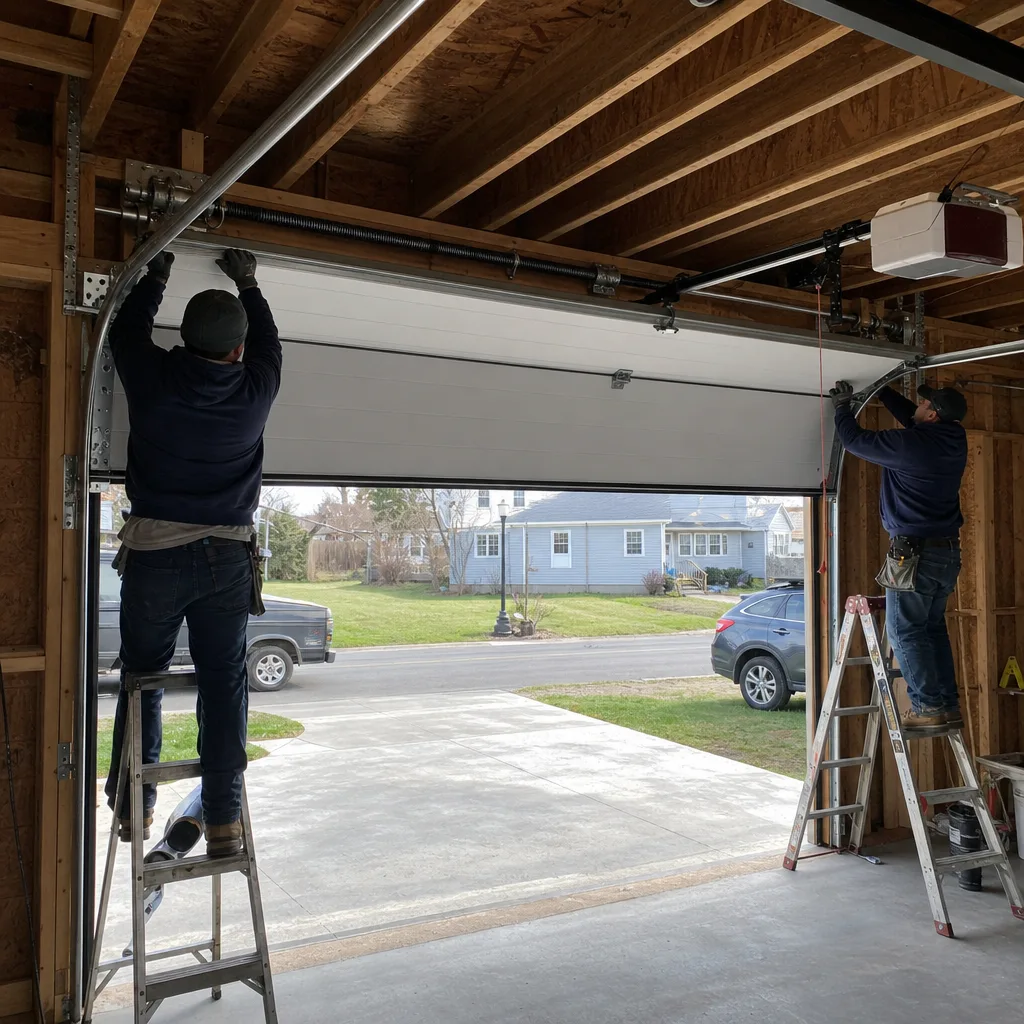
Last updated November 21, 2026
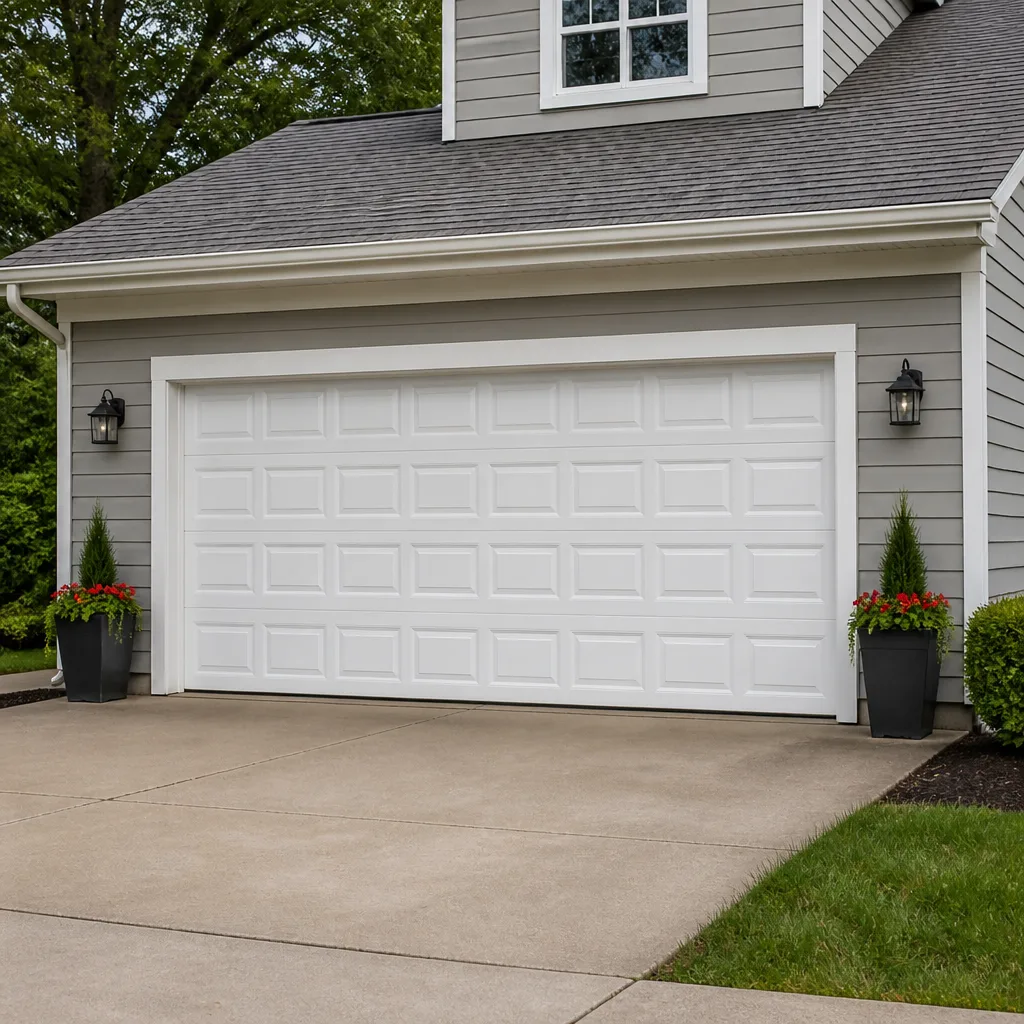 Raised-panel steel
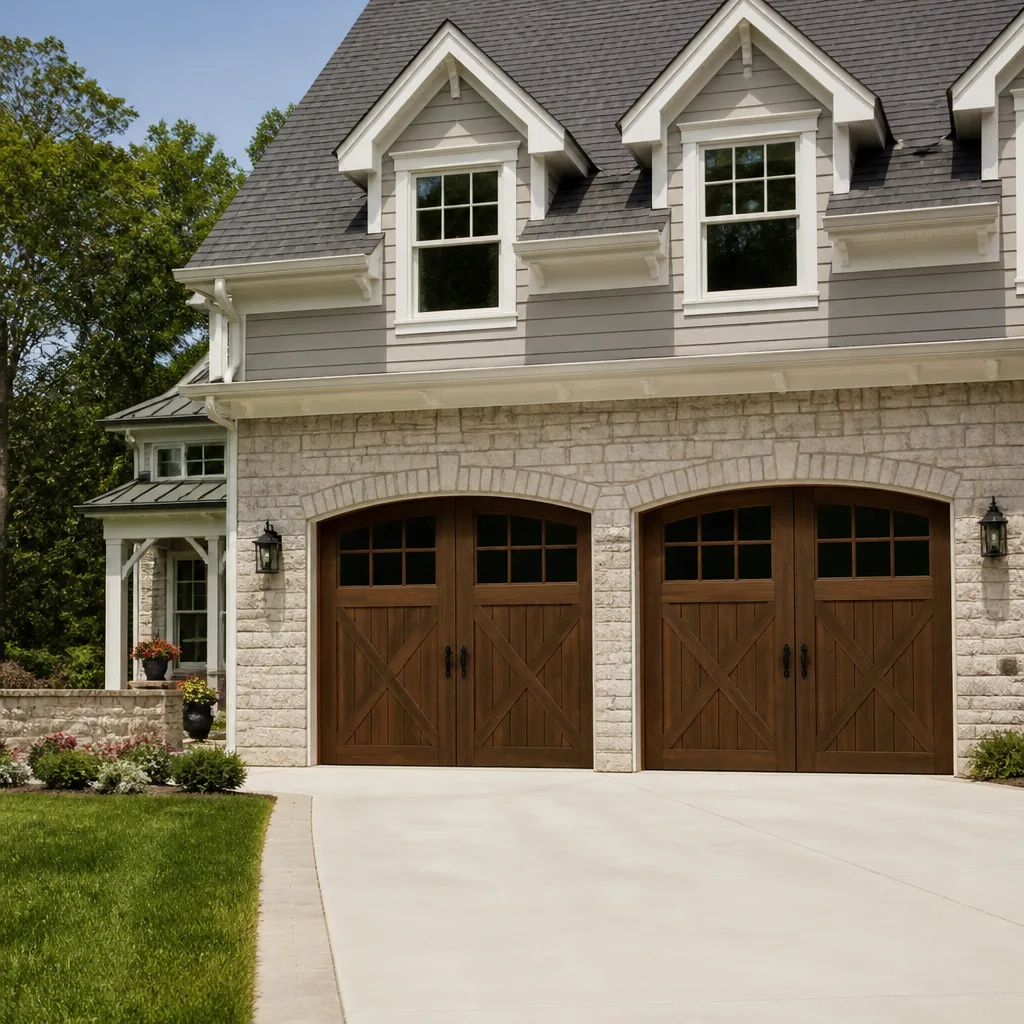 Carriage house
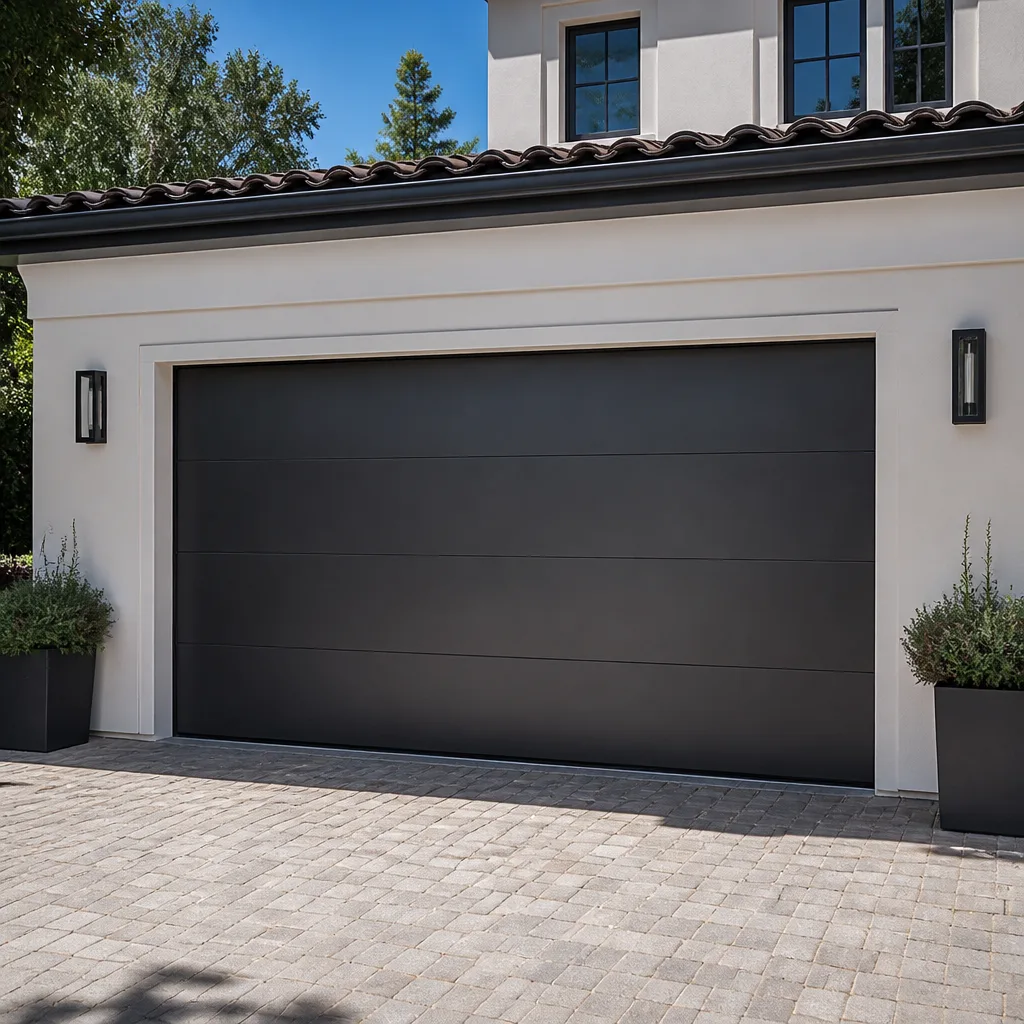 Modern flush
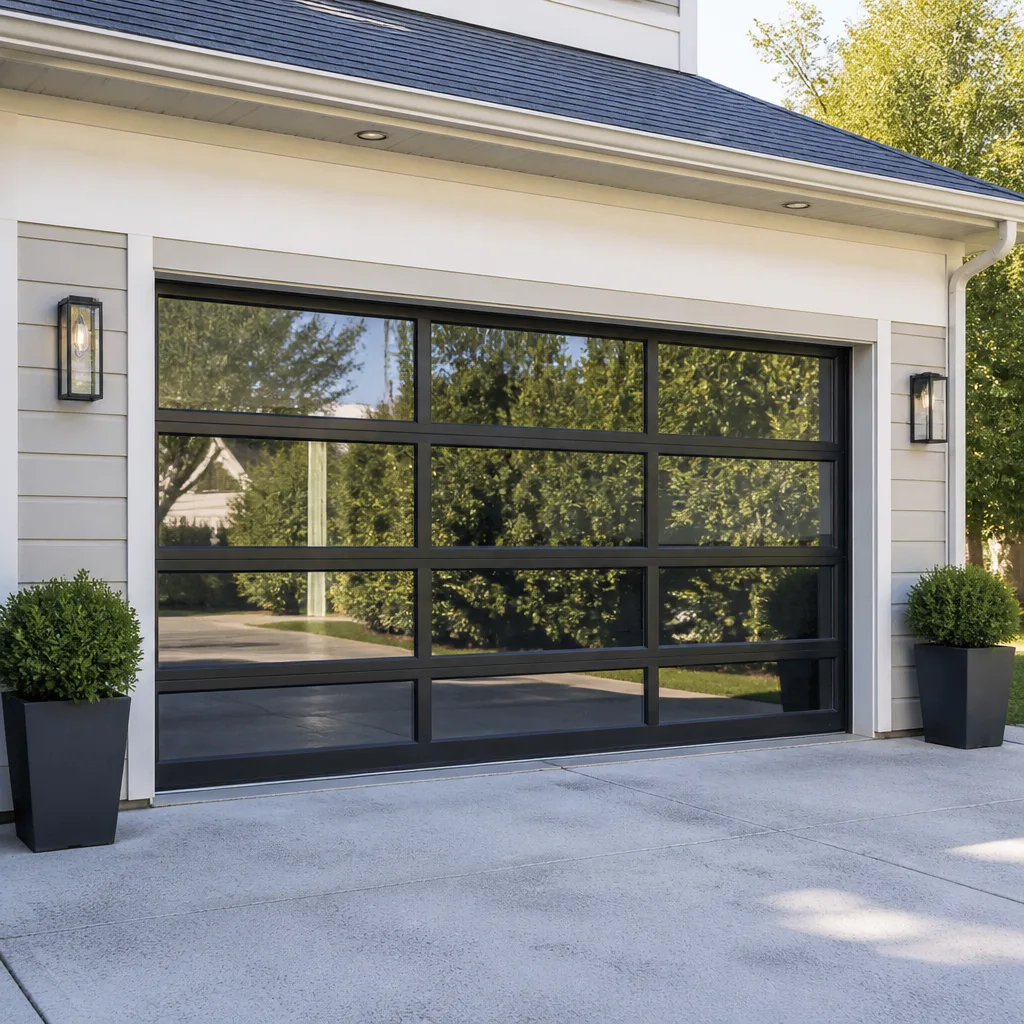 Full-view glass
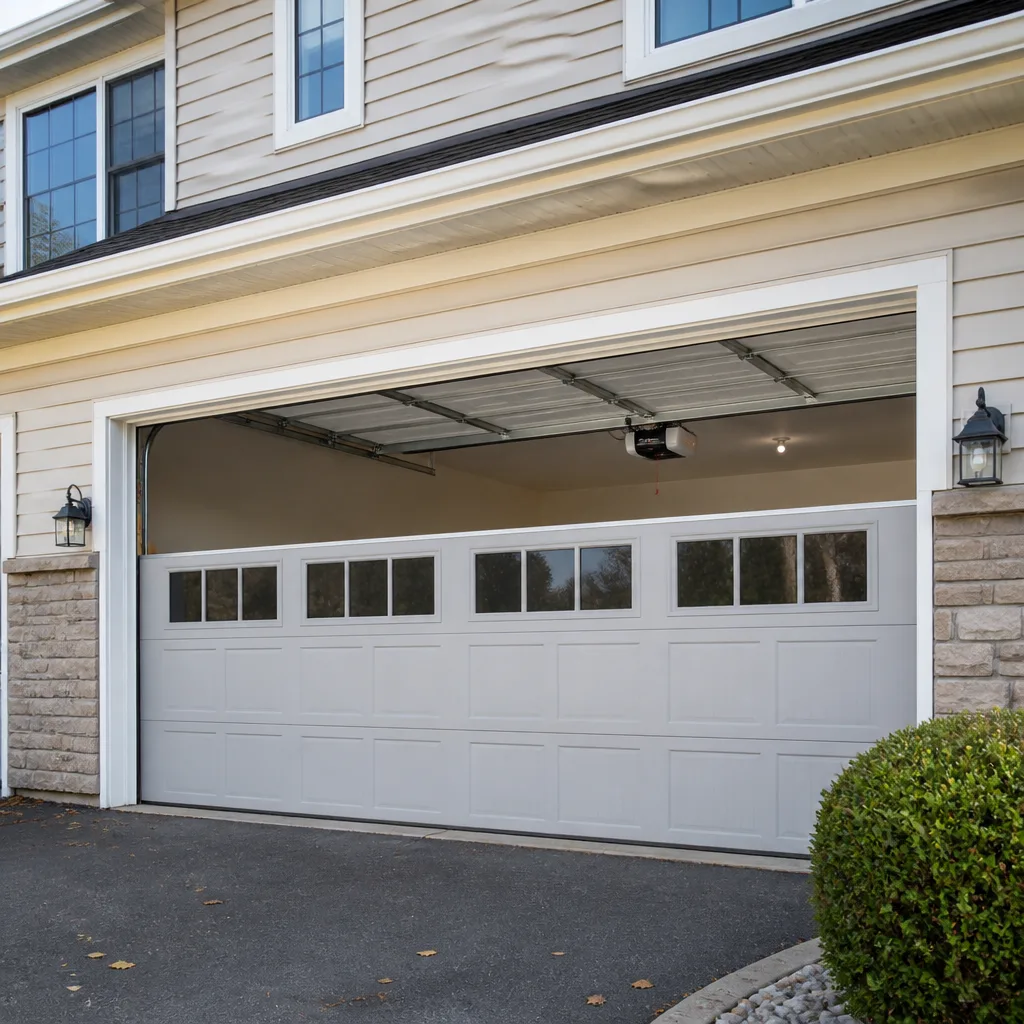 LiftMaster openers
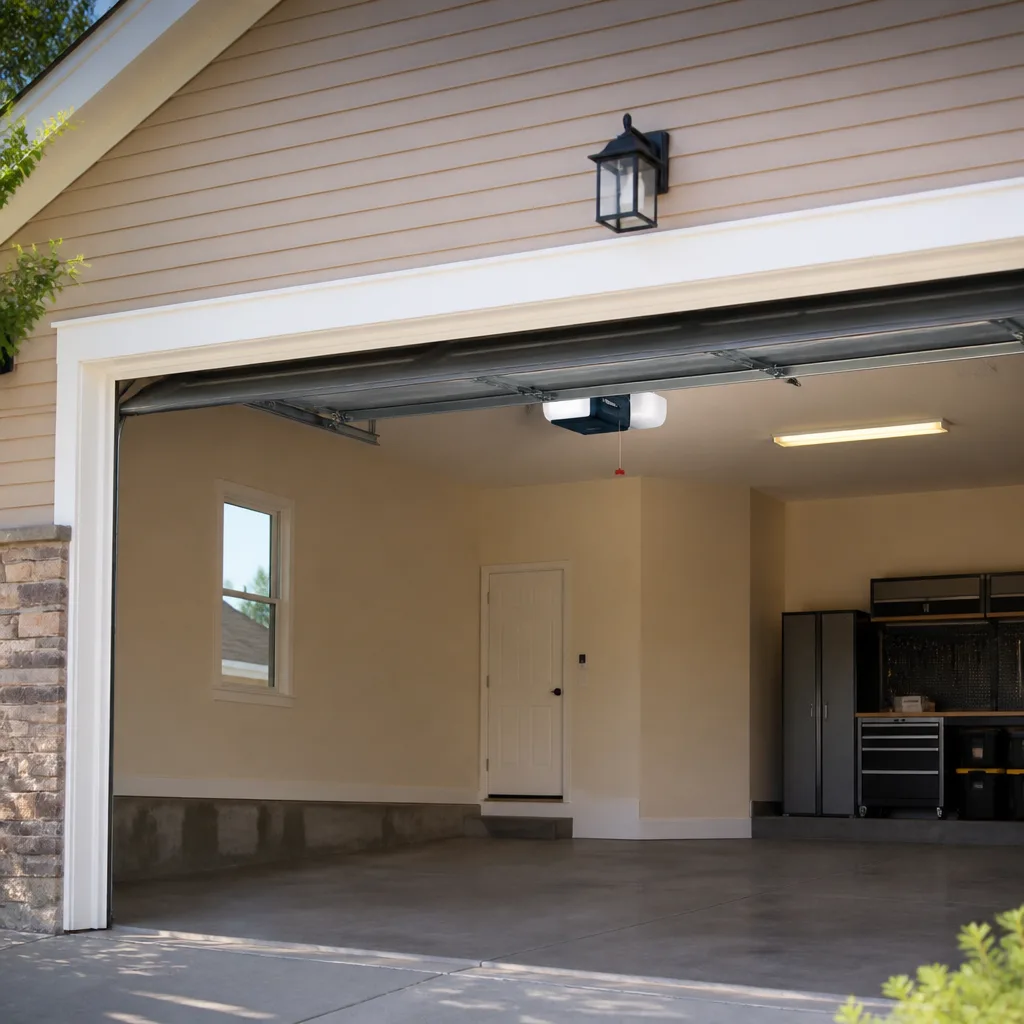 Chamberlain openers
Full 25-point door and opener safety check with every visit - springs, cables, rollers, tracks, and your LiftMaster or Chamberlain opener included
You get a price before we start. It does not change when the pro arrives.
Get your free estimateThe Complete Guide to Garage Doors in Tremont
A garage door looks like one big moving object. In practice it’s a system of seven parts that all lean on each other: springs, cables, rollers, tracks, hinges, panels, and the opener that drives them. That matters because the same symptom can come from three different components, and the fix ranges from a small adjustment to a full replacement. We’ve seen a single frayed cable strand lead to a door that wouldn’t lift at all, simply because nobody noticed the cable was carrying the load the spring should have carried. This guide walks through how the whole system fits together in Tremont, how our local housing stock shapes which doors and hardware make sense, and how to tell a repair from a replacement before you spend anything. By the end, you’ll know what a real diagnostic looks like, so you can ask better questions when a technician arrives.
Quick Answer
A garage door is a connected mechanical system, not a single part, so a repair decision should always start with the whole system rather than one noisy hinge or a door that drags. In Tremont, most calls come down to worn springs or cables on older attached garages, or a misaligned track on a newer build, and the right fix depends on diagnosing all seven components together. A trained professional can usually tell you within one visit whether you’re looking at a small repair or a replacement, and the written estimate should spell out exactly which parts are being replaced and why.
Styles & brands we work with
- Raised-panel steel
- Carriage house
- Modern flush
- Full-view glass
- LiftMaster openers
- Chamberlain openers
Table of Contents
- The Seven Components of a Garage Door System
- How Tremont’s Housing Stock Shapes Your Door
- Why Components Fail Together, Not Alone
- Repair or Replace? The Decision Tree
- Brand Compatibility: Matching Openers to Doors
- What a Real Diagnostic Looks Like on a First Visit
- Seasonal Care for Tremont Doors
- What Garage Door Work Costs in Tremont
The Seven Components of a Garage Door System
Before you can decide whether to repair or replace, you need to know what’s actually doing the work. Every sectional garage door relies on the same seven-component system, and each piece has a specific job. When one part fails, the others absorb the strain until something else gives.
- Torsion springs – These are the horizontal springs mounted above the door opening. They do the heavy lifting, counterbalancing the door’s weight so the opener only has to guide it. They’re the single most dangerous component in the system and should only be handled by trained professionals.
- Cables – Steel cables run from the bottom corners of the door up to the spring system. They transfer the spring’s force to the door and keep it level on both sides.
- Rollers – Small wheels that ride inside the tracks, letting the door glide up and down. Worn rollers cause grinding, shaking, and uneven movement.
- Tracks – The vertical and horizontal rails the door follows. Bent or misaligned tracks jam the door and can pull the whole system out of balance.
- Hinges and brackets – The joints between panels. Loose or rusted hinges cause sagging panels and uneven wear on rollers.
- Panels – The door surface itself, usually steel, aluminum, or wood composite. Panels take the impact from weather, bumps, and daily use.
- The opener – The motor and rail assembly that raises and lowers the door. It’s sized to the door’s weight and relies on every other component working together.
Understanding these seven parts is what tells you a spring problem apart from an opener problem, and it’s what lets you judge whether the technician on site is diagnosing a cause or just replacing a symptom. When you need Garage Door Repair Tremont, the first conversation should always be about which of these seven is genuinely at fault.
How Tremont’s Housing Stock Shapes Your Door
Tremont’s housing mix runs from older attached garages with low clearances to newer builds with taller openings and a wider range of door types. That split decides which hardware makes practical sense for a given home.
On older attached garages, we generally see narrower single-car openings, wood or steel panel doors with lower headroom, and torsion or extension springs sized to a lighter door. These setups need hardware chosen for their actual dimensions, not for a standard stock unit. A technician inspecting one of these homes spends time checking headroom, spring orientation, and whether the door was ever modified after the fact, because older garages often carry small adjustments from previous owners that throw the system out of balance.
Newer builds in Tremont tend to have wider two-car openings and taller doors, which changes the spring and opener requirements. The door weighs more, so the springs carry more load, and the opener must be rated for that weight with the right horsepower and rail length. Panels on newer doors are often steel or aluminum composite, and the tracks are typically mounted with tighter tolerances.
Both types of homes share the same daily reality: a garage door that opens multiple times a day, every day. In Tremont’s winters, the cold puts extra stress on metal and on the lubricant inside the rollers and hinges, and a door that’s already running rough tends to show it first when temperatures drop. A door that felt fine in the fall can start to drag or hesitate by midwinter, and that’s usually the moment when an inspection makes the most sense.
If you’re unsure which door type you have or what your opening can accommodate, a proper garage door installation conversation starts with measurements and a written plan, not a sales pitch. We work with the major panel and door brands including Clopay and Amarr, so we can match a door to what the opening actually supports.
Why Components Fail Together, Not Alone
A garage door is a load-sharing system. When the springs weaken, the cables take on force they weren’t designed to carry, and once a cable starts to fray, the rollers and track absorb uneven pressure and wear faster. That’s why the single most common mistake in garage door repair is replacing one component without checking the rest of the system.
- Weak torsion spring – The door gets heavier to lift, the opener strains, and the cables carry more load. Left alone, a cable can snap.
- Frayed cable – With one side compromised, the door tilts and the rollers bind in the track on the opposite side.
- Worn rollers – The door shudders on the way up and down, which loosens hinges and stresses the panel joints.
- Bent track – The rollers ride crooked, the spring system works against a jam, and the door can come off the track entirely.
- Struggling opener – A motor forced to compensate for heavy springs wears out faster and can fail while the door is still attached and partly open.
This is exactly the failure chain we flag when a homeowner tells us the door “just started making noise.” A real diagnostic looks at all seven components before choosing a fix, because replacing a roller without addressing the spring underneath it means the door fails again in a few months. We work on the major opener brands including LiftMaster, Chamberlain, Genie, Craftsman, and Raynor, so we can diagnose how the motor is interacting with the rest of the system rather than guessing from the noise.
Keeping your garage door repair decisions tied to the whole system is what keeps a single small fix from becoming a full replacement.
Repair or Replace? The Decision Tree
The repair-versus-replace question usually comes down to three factors: how much life the current part has left, how deep the damage runs, and whether the rest of the system can support a fix without failing shortly after. Here’s the decision path we walk through with homeowners in Tremont.
- Count the cycle life. Springs are rated in cycles, meaning one open-and-close is one cycle. A door used a few times a day will cycle far faster than one used once a day, so a spring on a busy household reaches its limit sooner. If the springs are near the end of their rated life, plan for replacement rather than a temporary fix.
- Check rust depth on the door and bottom section. Surface rust that wipes off can be treated. Rust that pits the metal, or that’s eating through the bottom section where water collects, is a replacement signal because the panel loses structural strength and the door sags.
- Look at panel damage. One cracked or dented panel doesn’t always mean a new door. But multiple damaged panels, especially ones affecting the door’s structural rigidity, usually cost more to patch than the door is worth.
- Test the tracks and hinges. A single bent track can often be straightened or replaced on its own. Rusted hinges that throw off the whole door’s alignment, on the other hand, suggest the panel joints are aging out.
- Match it to the opener. If the door is heavy and the opener is undersized, replacing one without the other leaves a mismatch that fails. A door replacement should include an opener check.
- Weigh the cost concentration. If several repairs add up to a large share of a replacement’s cost, a new door with new hardware is usually the more sensible long-term move.
Cycle count, rust depth, and panel damage percentage are the three variables that determine whether replacement beats repeated repair. The written estimate should tell you which of these thresholds you’ve crossed, so you can see the reasoning instead of taking it on faith.
Brand Compatibility: Matching Openers to Doors
Not every opener is built for every door. The motor, spring, and rail must be matched to the door’s weight and size, and mismatched components cause premature failure that shows up in the motor, the springs, or both.
A heavier two-car door needs stronger springs and an opener rated for the extra load. Put an undersized opener on a heavy door, and the motor works harder every single cycle, which shortens its life and puts strain on the springs. The reverse is also true: over-spec an opener for a light door and the extra force can overdrive the panels and wear the rollers faster than necessary.
Brand compatibility matters for smart and connected openers as much as it does for mechanics. LiftMaster and Chamberlain systems are the two dominant smart-home-compatible families we service, and both are built with their own accessory and safety-reversal behavior. A technician who knows the platform can set up the travel limits, force settings, and safety sensors correctly on the first visit, which is what makes the opener reliable long after the installation.
When we send a technician to troubleshoot garage door opener repair in Tremont, the first step is confirming the motor is the right size for the door it’s actually lifting. If it isn’t, fixing the opener alone won’t solve the deeper problem. That’s also why we work across the major door brands, Clopay and Amarr among them, alongside the opener families, so a homeowner isn’t sent looking for a different contractor when the panels and the motor come from different makes.
What a Real Diagnostic Looks Like on a First Visit
A proper first visit takes the time to check the whole system, not just the one part that made the most noise. Here’s what should happen, and what to expect from a genuine inspection.
- Visual walkaround and safety check. The technician should inspect the door’s balance, the springs, the cables for fraying, and the bottom seal for weather damage. This is where the biggest risks get caught first.
- Testing the safety reversal. The opener’s auto-reverse should be tested to confirm it stops or reverses appropriately when it meets an obstruction. This is a basic safety check, not an upsell.
- Cycle and wear assessment. Rollers, hinges, and tracks get checked individually, and the technician should tell you which are worn and which have life left in them.
- Opener motor and accessory check. The technician confirms the motor is sized for the door, the safety sensors are aligned, and any smart features are functioning correctly.
- Written diagnosis and estimate. Before any work begins, you should have a written explanation of what failed, why it failed, and what the fix involves. That estimate sets the price, and it should be agreed before the first tool comes out of the bag.
The difference between a real diagnostic and a sales pitch is usually in the specificity. A real diagnostic names the component, shows you the wear, and explains why the fix chosen addresses the cause. A sales pitch leads with a replacement suggestion before you’ve heard what’s actually wrong.
Seasonal Care for Tremont Doors
Cold weather puts extra strain on a garage door. Metal contracts, lubricants stiffen, and the door’s balance changes, which is why a door that runs quietly in mild weather can start dragging in the depths of winter.
In Tremont, the practical winter-care routine is simple and doesn’t require a technician:
- Watch the door through one full open-and-close cycle and listen for grinding, popping, or a hesitant start.
- Check that the bottom seal sits flush and isn’t cracked or stiff from cold, since a worn seal lets weather under the door.
- Look for uneven movement, where one side lags or the door tilts during travel.
- Clear any debris from the tracks and confirm the safety sensors aren’t obstructed.
- Keep the area under the closed door free of pooling water or ice that can freeze into the seal.
What you should not do in cold weather is adjust the springs or the cables yourself. High-tension springs and cables are the most dangerous part of the system, and a failed adjustment can cause serious injury. That work belongs to trained technicians, whether the door needs a spring adjustment in the fall or a full check after a long winter.
A spring that’s weakened over the winter is the most common cause of a door that suddenly won’t lift in the spring thaw. If you notice the door getting heavier, that’s the moment for a professional look rather than a wait-and-see.
What Garage Door Work Costs in Tremont
Pricing depends on the part, the door, and whether one component or the whole system needs attention. Here’s a rough range for common jobs, though every estimate is written per job and the written quote sets the final price.
| Job | Typical Range |
|---|---|
| One torsion spring replacement | $150 – $300 |
| Matched spring pair replacement | About twice one spring |
| Cable replacement (per side) | $120 – $250 |
| Roller replacement (set) | $100 – $220 |
| Track realignment or replacement | $150 – $350 |
| Opener repair | $100 – $250 |
| Full door replacement | Quoted per door after measure |
Two things to know before the estimate. First, springs are usually replaced as a matched pair, so a pair costs roughly double the single-spring figure. Second, the written estimate is agreed before any work starts, so there’s no surprise invoice at the end. Installation and replacement are measured and scheduled, which means they’re quoted rather than promised same-day.
Common Mistakes to Avoid
- Replacing one worn part without checking the rest. Fixing a frayed cable without addressing the tired spring behind it means the door fails again, often sooner than the first repair.
- Adjusting springs or cables yourself. Torsion springs store extreme tension and can cause serious injury in an instant. This is the one part of the system that should always be left to a trained technician.
- Ignoring an uneven door. A door that lifts crooked usually has a cable, roller, or track problem that will worsen, and uneven movement is often the early sign of a bigger failure.
- Mismatching the opener to the door. An opener rated for a lighter door puts strain on both the motor and the springs, and the mismatch shortens the life of both.
- Choosing a big replacement quote before a real diagnosis. If the first visit suggests a full door without explaining what failed and why, get a second opinion on the components.
- Waiting out a struggling door through winter. Cold weather makes an already-strained system worse, and Tremont winters are not the time to see whether a tired spring will hold.
- Skipping the safety-reversal check. A door that doesn’t stop when it meets an obstruction is a hazard, and the test is quick enough that it should never be skipped.
See the difference
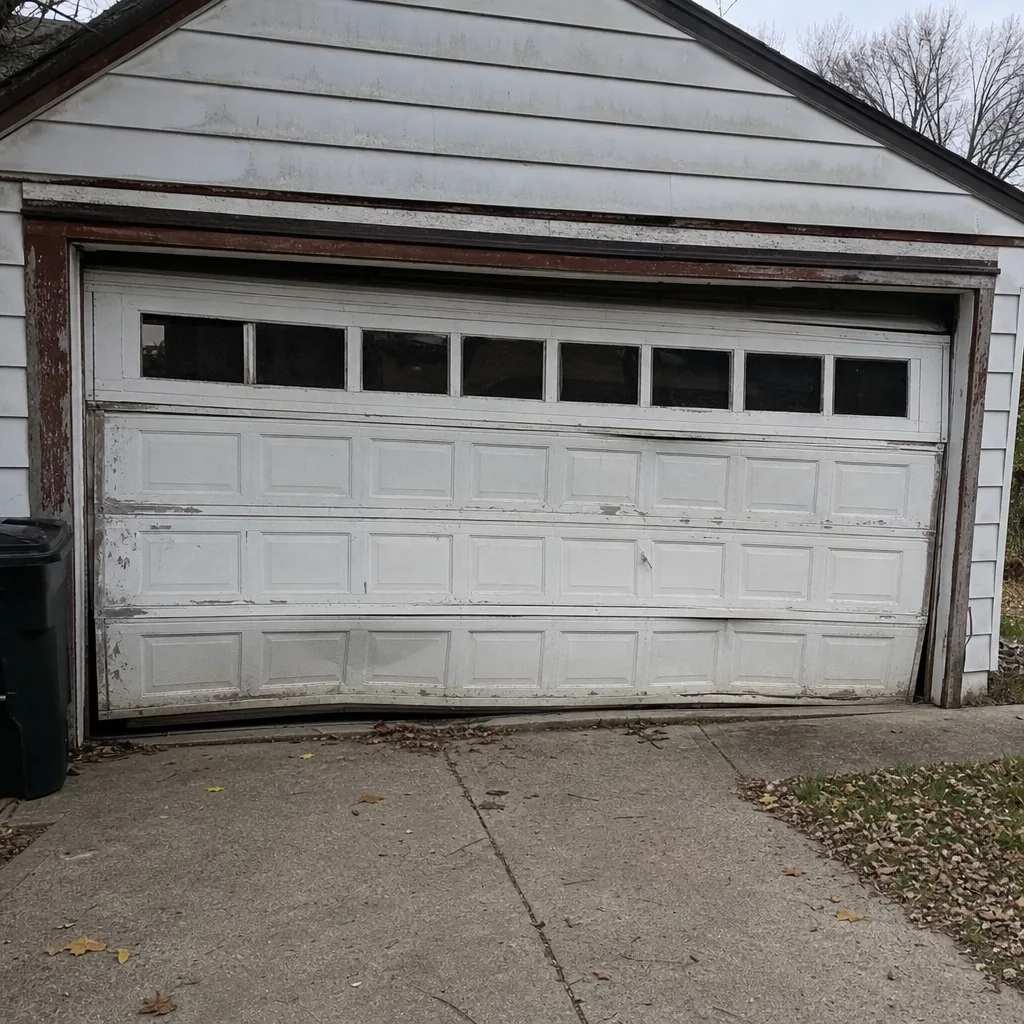 Before
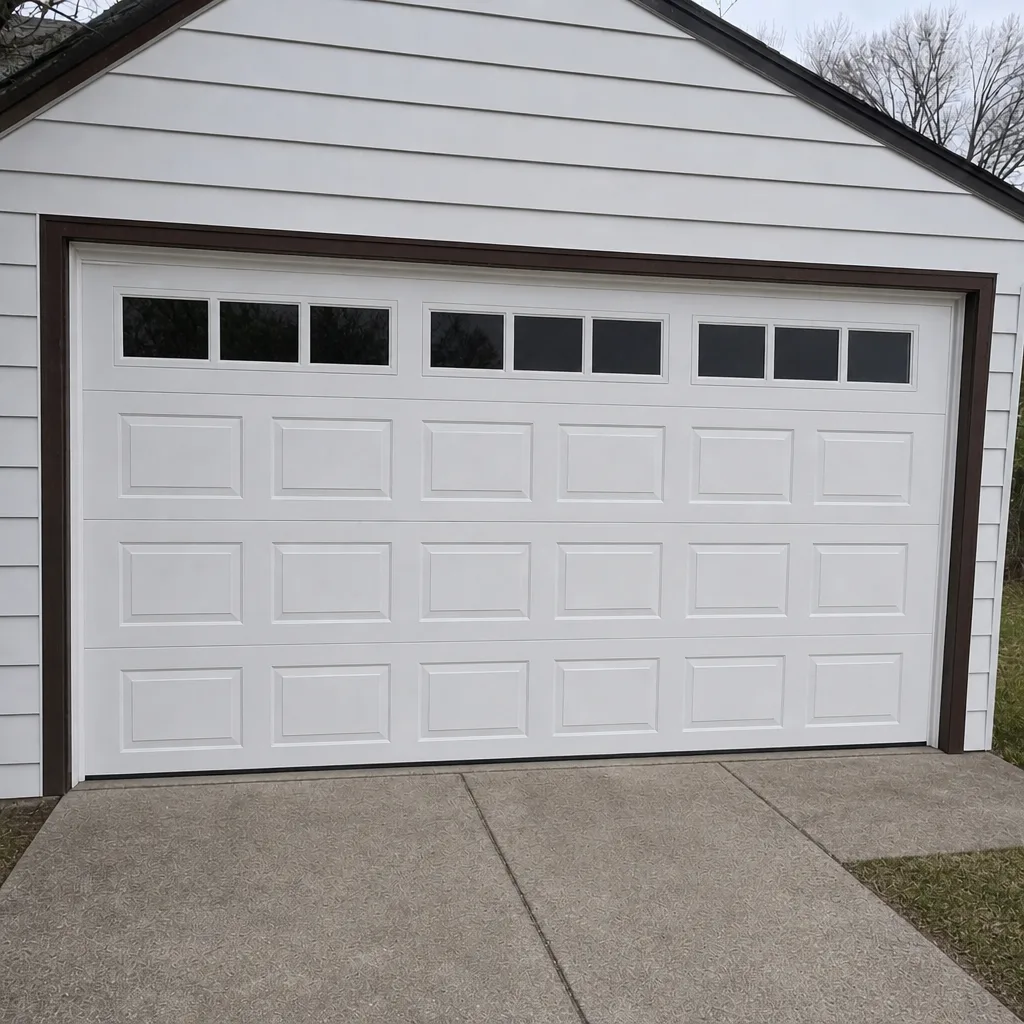 After
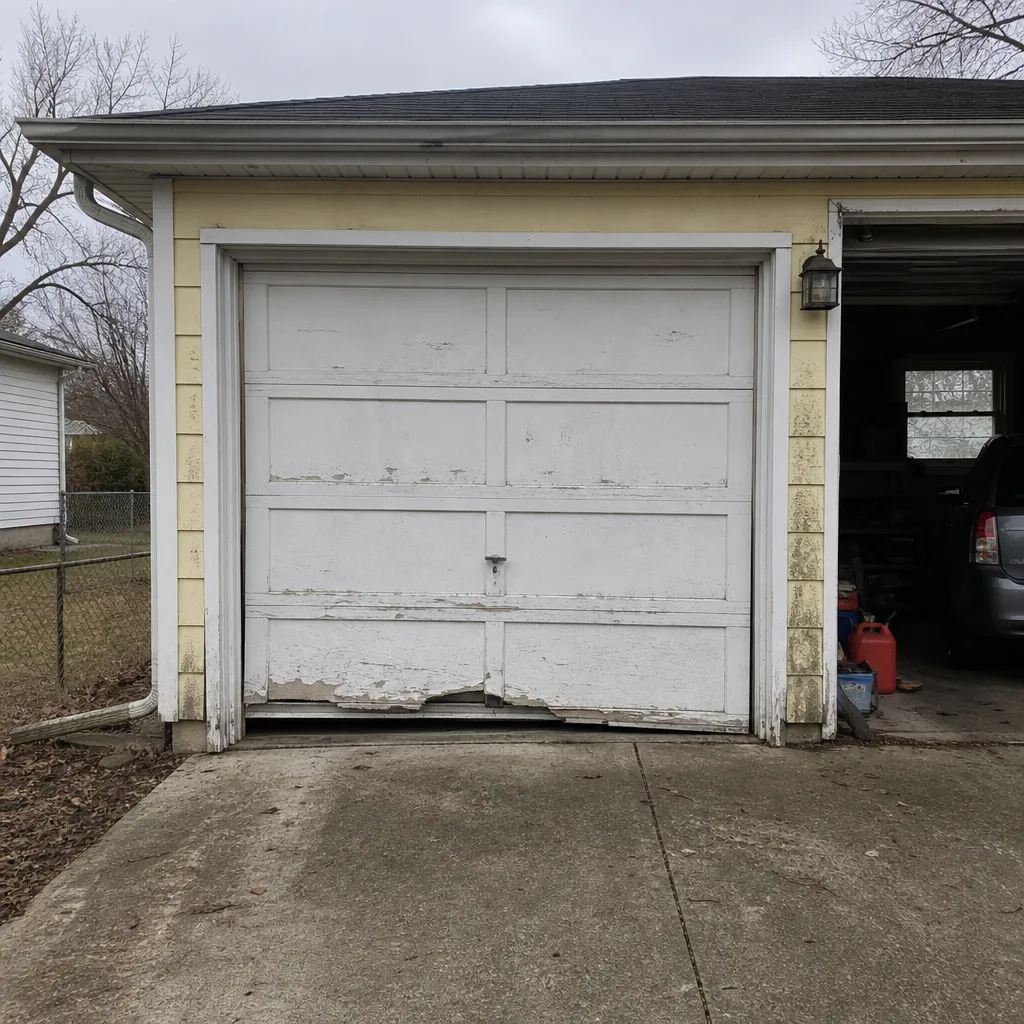 Before
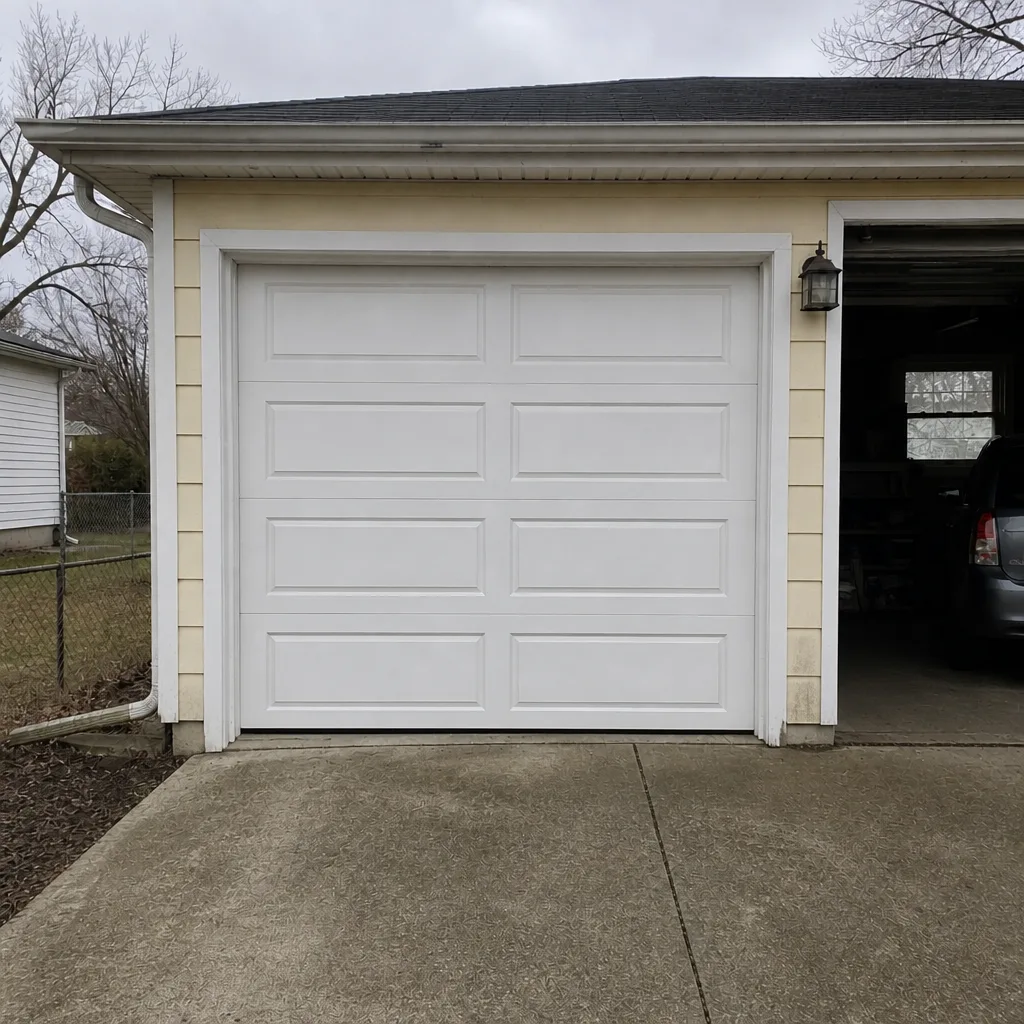 After
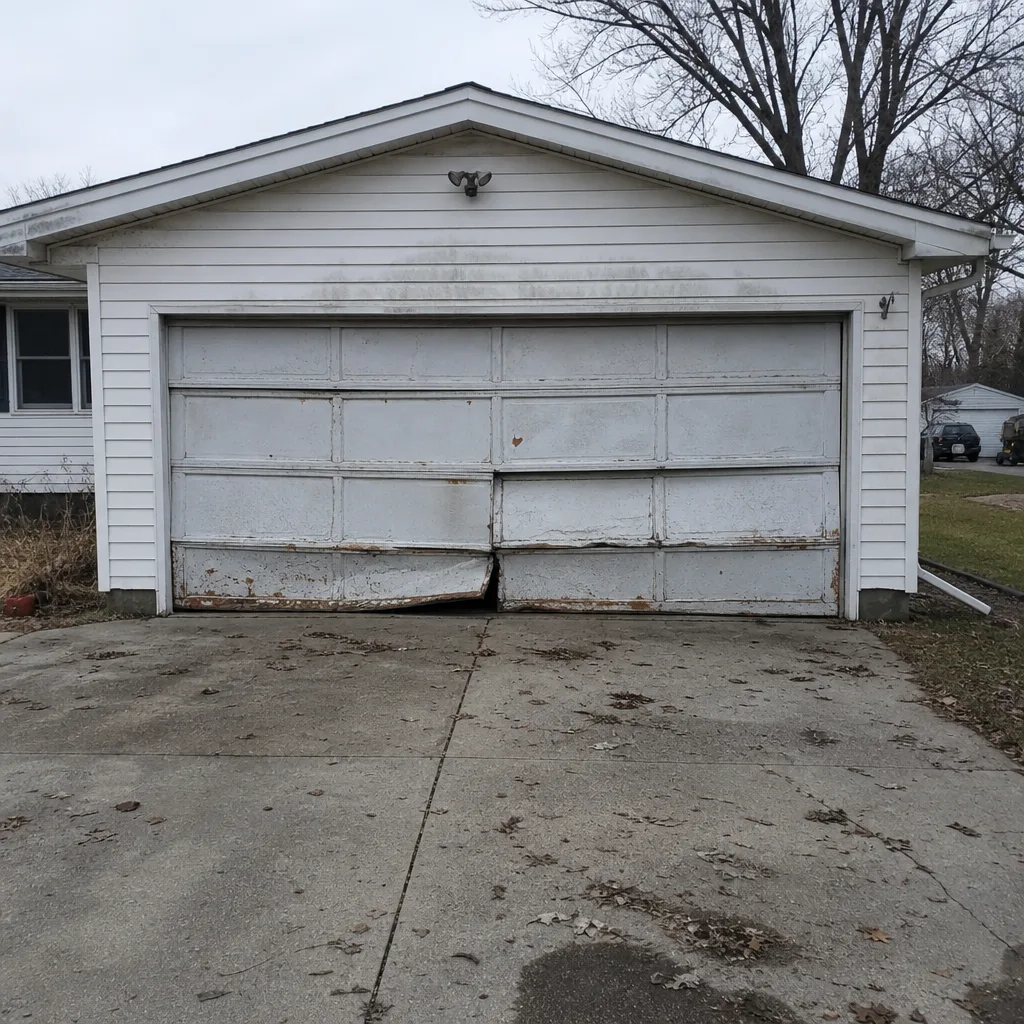 Before
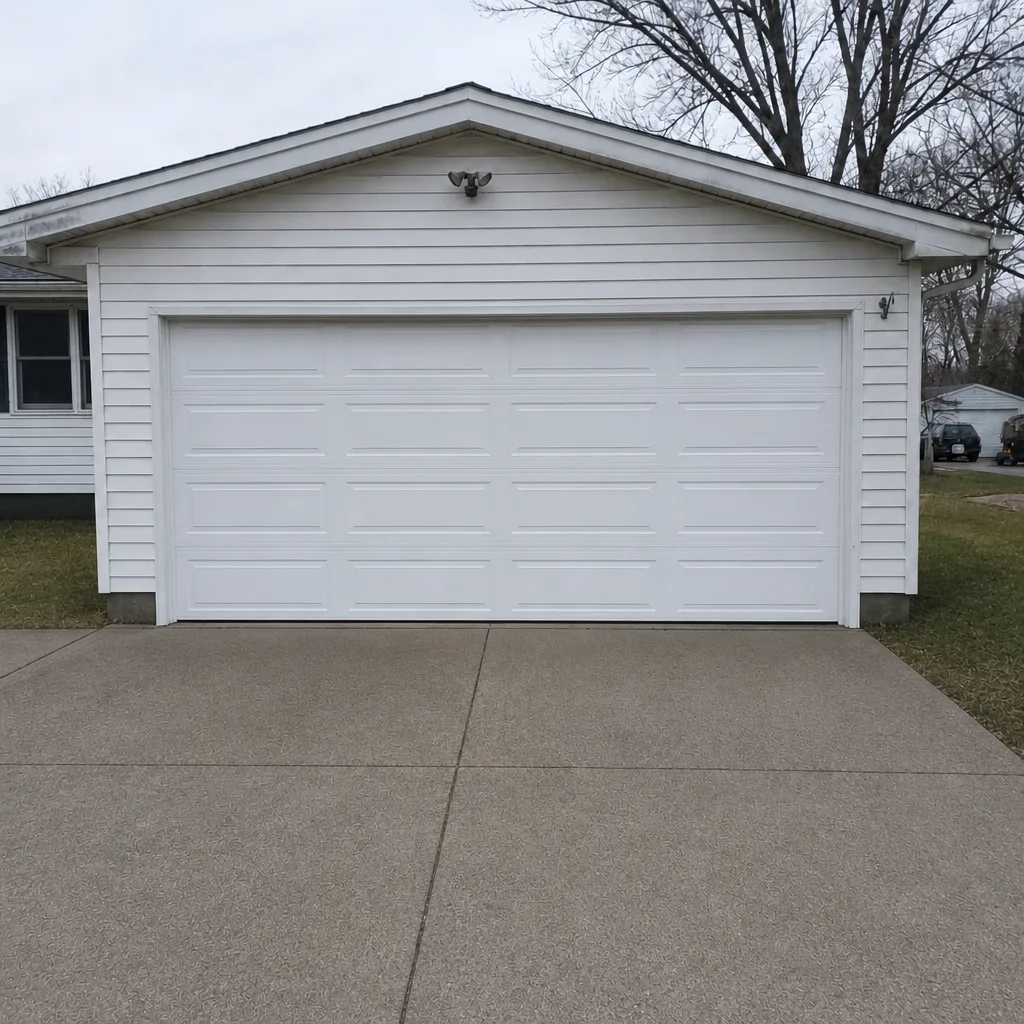 After
When to Call a Professional
Call a professional when the door won’t move, when a spring or cable is broken or visibly frayed, when the door is uneven during travel, or when the opener reverses for no clear reason. Don’t attempt spring or cable work yourself, and don’t keep cycling a door that’s making new grinding or popping sounds. In our experience, a small fix left alone becomes a bigger one quickly, and a spring that’s showing wear is far cheaper to address before it fails than after. Garage Door Repair Tremont offers free estimates in Tremont – call (855) 337-1175. When the door won’t move, we move fast.
Frequently Asked Questions
Start with the springs, the panel rust, and the panel damage count. If the springs are near the end of their rated cycle life, or rust is pitting the bottom section, replacement is usually the better long-term value. One damaged panel or one bent track can often be repaired on its own. Call (855) 337-1175 for an exact quote after a proper diagnostic – estimates are free.
Yes. Our technicians have up to 12 years of experience and work across the major door and opener families, including LiftMaster, Chamberlain, Genie, Clopay, Amarr, Wayne Dalton, Craftsman, and Raynor. That means the technician arrives knowing the platform rather than learning it on your driveway. Call (855) 337-1175 for an exact quote.
Often, yes. Spring repairs are a core service for us, and when the door won’t lift, we treat it as urgent. The written estimate is agreed before any work starts, so the price you’re quoted is the price for that repair. Call (855) 337-1175 to check availability.
No. The written estimate is the agreed price before work starts, and it covers the parts and labor for that job. If additional problems surface once the door is opened up, the technician will explain the cause and revise the estimate with you before proceeding, never after the work is done.
Cold weather stiffens the lubricant in the rollers and hinges and changes the balance of the door, so an opener that was fine in mild weather has to work harder. If the door also gets heavier to lift by hand, the springs are likely worn and the opener is carrying strain it shouldn’t carry. Call (855) 337-1175 for a check.
Yes, we work on both classic and smart openers, with particular familiarity with LiftMaster and Chamberlain systems. That includes setting up the travel limits, force settings, and safety sensors correctly so the connected features behave properly. Call (855) 337-1175 for an exact quote.
The Bottom Line
A garage door is a system of seven parts that share the load, so a smart decision at any stage of ownership starts with diagnosing the whole system rather than one noisy component. In Tremont, the older attached garages and newer builds each carry their own hardware and spring requirements, and matching the right opener to the right door is what keeps a repair from turning into a repeat visit. The repair-or-replace call comes down to cycle life, rust depth, and panel damage, and any written estimate should tell you which threshold you’ve crossed. When the door won’t move, we move fast, and the price is agreed before the work starts.
Written by the team at Garage Door Repair Tremont.