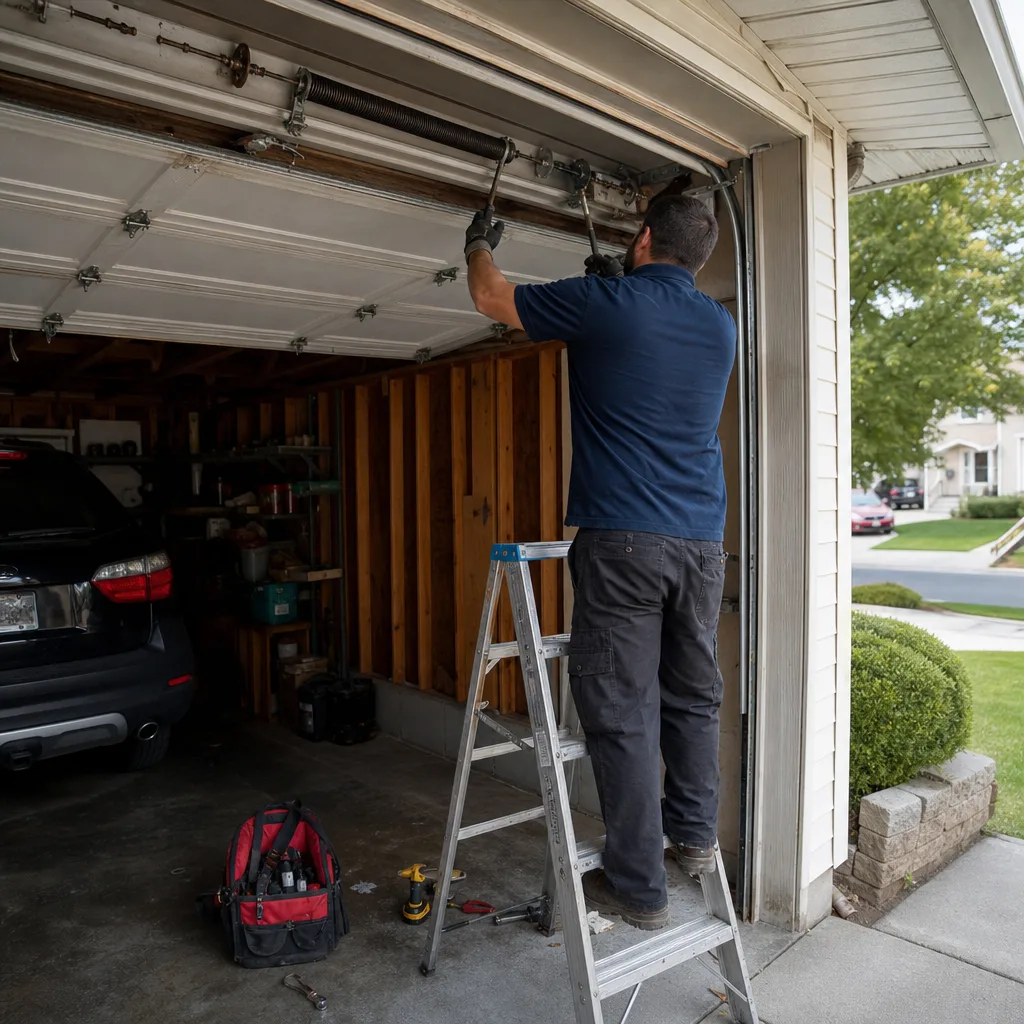
Last updated November 21, 2026
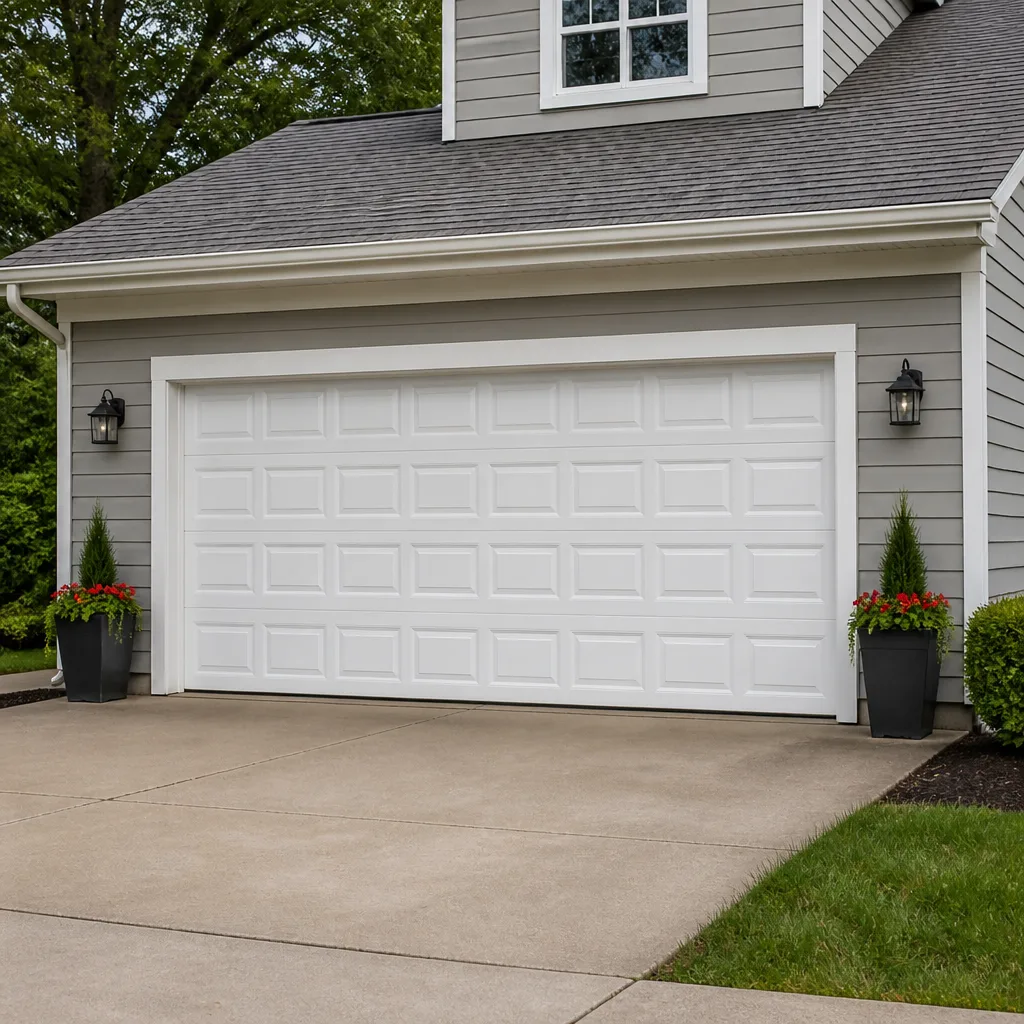 Raised-panel steel
 Carriage house
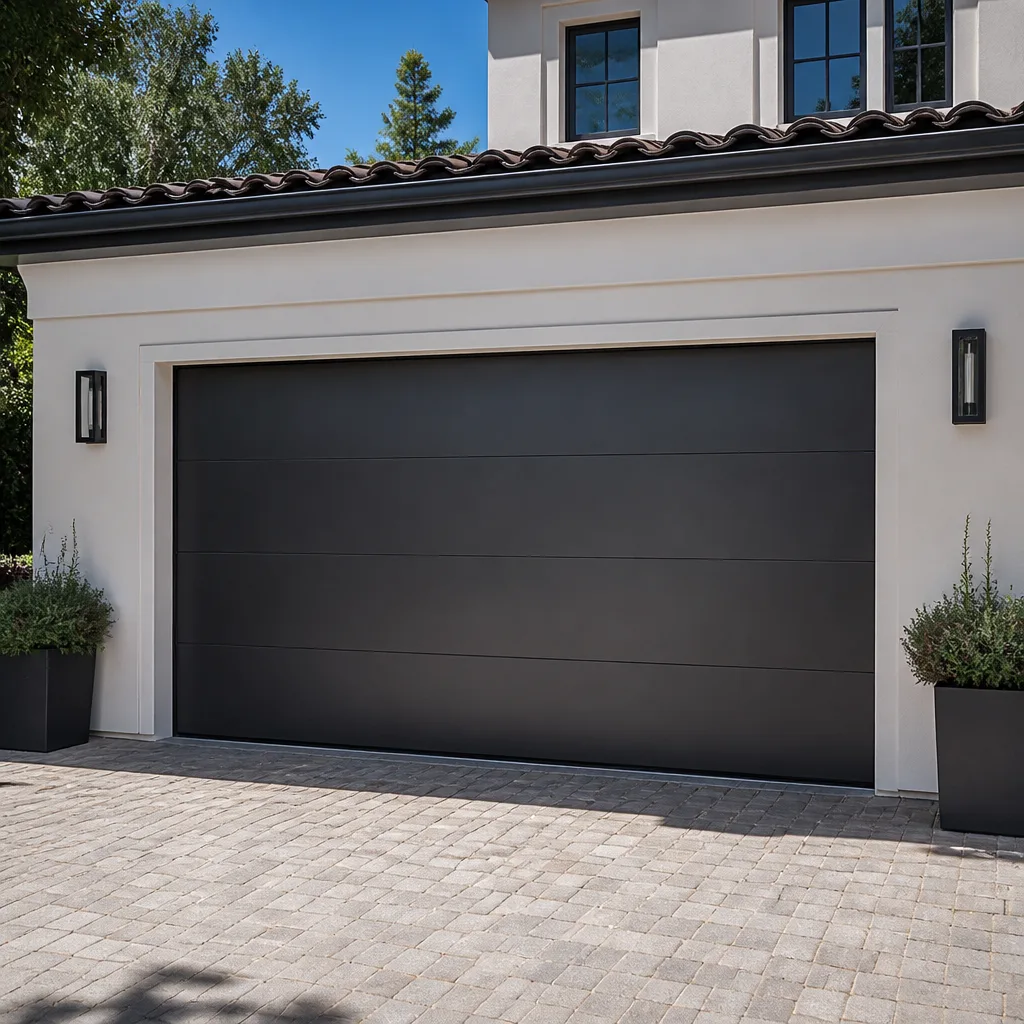 Modern flush
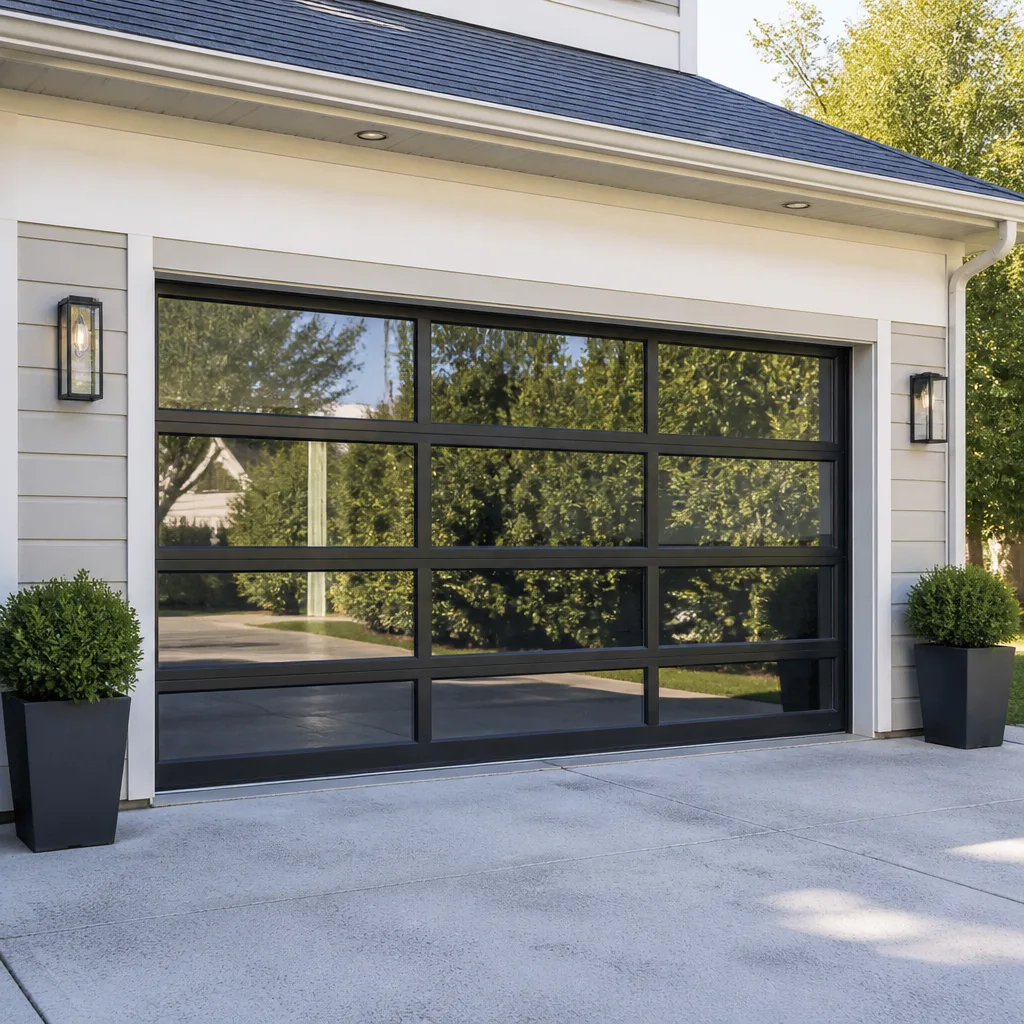 Full-view glass
 LiftMaster openers
 Chamberlain openers
Full 25-point door and opener safety check with every visit - springs, cables, rollers, tracks, and your LiftMaster or Chamberlain opener included
You get a price before we start. It does not change when the pro arrives.
Get your free estimateSeasonal Garage Door Care for Tremont: Year-Round Homeowner’s Guide
Many homeowners treat garage door care as a single task, usually a quick lubrication sometime in the spring. That approach misses the point. A garage door in a climate like ours isn’t one system that ages uniformly; it’s a collection of materials that expand, contract, swell, and stiffen on their own schedules. Steel springs react to January cold very differently than the wood panels react to August humidity, and the issues each creates rarely announce themselves early. This guide breaks the year into four seasons and shows you what degrades when, what to check, and when to step back and call in a trained technician. We’ll walk through the failures we see most in Tremont, from frozen thresholds to track misalignment, and give you a practical schedule you can actually follow.
Quick Answer
Garage doors in Tremont need seasonal attention because local temperature swings – from humid summer heat to sub-freezing winter lows – stress different parts of the system at different times. The essentials are a pre-winter spring tension check, a fall lubrication and cleaning sequence done in the right order, a summer inspection of wood door panels for swelling, and a spring check of the concrete threshold and bottom seal. Four short checks a year catch most problems before they become repairs.
Styles & brands we work with
- Raised-panel steel
- Carriage house
- Modern flush
- Full-view glass
- LiftMaster openers
- Chamberlain openers
Table of Contents
- Why a Once-a-Year Check Falls Short in Tremont
- Winter: Why Springs Snap and How to Prepare
- Summer Humidity and Wood Door Panels
- Fall Preparation: The Right Order of Operations
- Spring Thaw, Frost Heave, and Bottom Seal Gaps
- The Opener Setting Almost Nobody Checks
- A Year-Round Schedule for Tremont Homes
- When to Call a Professional
Why a Once-a-Year Check Falls Short in Tremont
A single annual inspection tends to catch the problems that happen to be visible on inspection day. That’s the trouble. A torsion spring that’s starting to fatigue in October may look fine; its failure mode is a snap in the cold, not a visible crack you’d spot on a fall walkthrough. A wood door panel that’s absorbing moisture all summer swells slowly enough that the swelling is only obvious once the door starts rubbing the track or the panels bind.
The climate in Tremont gives you two distinct stress seasons plus two transition periods, and each one works on different components:
- Winter cold pulls on steel and twists torsion and extension springs past their comfort zone. It also freezes weatherstripping to the threshold.
- Summer humidity swells wood and composite panels and softens seals, which shifts the door in its tracks.
- Fall is your chance to prepare the hardware before the cold hits.
- Spring thaw lifts concrete and opens gaps that weren’t there in the fall.
Four targeted checks, spread across the year, catch what one blunt annual inspection misses. That matters for every door type, whether you have a steel door from Clopay or an older wood model. Knowing the schedule lets you spot a worn roller or a slack spring before it becomes an emergency call.
Winter: Why Torsion Springs Snap Most in January and February
Torsion springs break most often in the coldest weeks of the year. The physics are straightforward: steel contracts as the temperature drops, which changes the tension the spring is carrying and makes the metal more brittle. A spring already near the end of its cycle life is far more likely to fail at 15°F than at 65°F. The stress on the spring increases right when its tolerance is at its lowest.
The right way to prepare is not to try to adjust the spring yourself. Torsion springs are under high tension and store enormous energy; adjusting one incorrectly can cause serious injury. Instead, do a tension check by observation before the cold sets in:
- Open and close the door by hand (disconnect the opener first so you don’t strain it) and note whether it feels balanced. A door that’s noticeably harder to lift than to lower may have a spring that’s losing tension.
- Listen for a loud bang at any point during normal operation. That’s often a sign a spring has already failed.
- Look at the spring coils for visible gaps or a stretched appearance. A gap between coils on a closed door can indicate fatigue.
- Notice if the door hesitates or drops suddenly. Either points to a spring or cable problem that needs professional attention.
- Have a trained technician check the actual tension before temperatures drop below freezing. This is the step that prevents the January failure.
For Tremont homeowners, the takeaway is simple: schedule the spring inspection in the fall, before the cold stress arrives. If your door uses extension springs, the same logic applies, though the failure mode is different. A failed spring means the door can’t be operated safely, which is where emergency garage door service comes in. If a spring snaps in Tremont, call and we’ll arrange repair promptly.
Summer Humidity and Wood Door Panels
Wood and composite garage doors in Tremont take on moisture through the summer, and the panels swell. This is a slow process, which is why it gets missed. The swelling is most obvious at the panel edges and where panels meet the frame. Left alone, swollen panels push against the track and cause the door to rub, scrape, or bind as it travels.
The difficult part is that the swelling often resolves as humidity drops in the fall. But the misalignment it caused doesn’t always resolve with it. That’s why catching early swelling matters. Signs to look for:
- Daylight visible at panel seams that wasn’t there in spring
- A scraping or rubbing sound as the door moves through the track
- Paint or stain bubbling or peeling at the bottom edges
- Doors that feel tighter or harder to close than they did in cooler months
- Soft or spongy spots when you press on the lower panels
If you have a wood door, seal the edges and bottom with a quality exterior finish before summer and reapply when it wears. This slows moisture absorption. If you’re replacing a failing wood door, a steel door from Amarr or a composite model handles humidity better than wood. It’s worth talking through the options. If a panel has swollen enough to misalign the track, the door needs a professional look. Track misalignment causes roller wear and can lead to the door coming off its track if it goes unaddressed.
Fall Preparation: The Right Order of Operations
Fall is when you actually set the door up for the cold season, so getting the sequence right matters. The biggest mistake is lubricating before cleaning. If you apply lubricant to a dirty track, roller, or hinge, you trap grit in the moving parts. That grit then wears the rollers and accelerates the very thing you were trying to prevent. Roller life shortens, and the door gets noisier, not quieter.
Here’s the order we recommend:
- Clean first. Wipe down the tracks with a cloth and a mild degreaser. Clear any debris, leaves, or grit from the track channels. Use a vacuum or brush to loosen dirt in the hinges and roller brackets.
- Inspect. Check the rollers for flat spots or cracks, look at the hinges for wear, and note loose bolts. This is also the time to do the spring tension check from the winter section.
- Lubricate. Use a garage door lubricant (not general-purpose oil) on the springs, hinges, rollers, and bearing plates. Apply sparingly. A little goes a long way, and too much attracts dust.
- Check the seals. Examine the bottom seal and side weatherstripping. Replace any that’s cracked or hardened before the cold. A stiff, brittle seal is what freezes to the threshold in January.
- Test the balance and safety features. Open and close the door a few times, then test the auto-reverse. Check the photo-eye sensors for blockage or misalignment.
That sequence – clean, inspect, lubricate, seal, test – is the core of a fall garage door tune-up. Doing it in that order means the lubrication does its job without trapping grit. Skipping to the lubrication because it’s the satisfying part is the common mistake, and it’s the one that costs you in roller wear.
Spring Thaw, Frost Heave, and Bottom Seal Gaps
When the ground freezes, it expands, and it can push up on the concrete slab in front of your garage. This is frost heave, and after the thaw it can leave the slab slightly higher or out of level at spots along the threshold. The result is a gap between the bottom seal and the ground, one that almost certainly wasn’t there in the fall. That gap lets in water, cold air, and pests.
Frost heave is common in Tremont and other cold-climate areas with freezing winters, and it’s easy to miss because it develops gradually. To check for it in spring:
- Run a straightedge or level across the threshold at several points and look for high spots.
- Shut the door and shine a light along the bottom edge from inside; any visible line of light means a seal gap.
- Check the bottom seal itself for compression set. Even without frost heave, a seal that’s been under load all winter can flatten and stop making contact.
If the gap is because the seal is worn, replacing the bottom seal fixes it. If the slab has actually heaved, a technician can adjust the threshold or recommend a fix. A persistent gap that lets water into the garage is worth addressing before the next cold season, since water intrusion around a wood door leads to the swelling we covered above. If a heaving threshold is causing the door to bind, that’s a call for garage door repair rather than a DIY fix.
The Opener Setting Almost Nobody Checks
Most homeowners don’t know their opener has a force-limit setting. It’s the parameter that tells the opener how much resistance to push through before it reverses. But temperature changes the force needed to move the door – cold stiffens the mechanism, summer heat can make doors drag – and an opener set on a narrow margin can start reversing unexpectedly when the season shifts. In the cold, a door that’s slightly stiffer may hit the limit and reverse, and the door won’t close. In the summer, a door that’s loosened may reverse too easily.
This is more of a professional adjustment than a homeowner one. The setting is effective, and dialing it wrong can defeat a safety feature. But you can learn to recognize when force-limit drift is the likely cause:
- The door reverses on its own without any visible obstruction.
- It starts or reverses on the same spot every time.
- The problem began right after a temperature change, either a cold snap or a heat wave.
- The motor sounds like it’s straining, then reverses.
On modern openers from LiftMaster, Chamberlain, and Craftsman, the force limits are set through the control panel or app. A trained technician can test and reset them. If you’re seeing intermittent reversals, it’s worth a check. Note that rebalancing the door itself, rather than just the opener limits, is often part of the fix. If the door is binding, resetting the limits alone won’t solve the underlying problem.
A Year-Round Schedule for Tremont Homes
Here’s a practical schedule that matches the seasonal stress cycles in Tremont. It’s built for one or two short checks a year with a professional tune-up each season:
- Fall (before the first freeze): Full tune-up – clean, inspect, lubricate, replace worn seals. Have a technician verify spring tension. Test the safety reverse and photo-eye sensors. Schedule the tune-up before the first hard freeze so there’s time to replace anything worn.
- Winter (December through February): Watch for the signs of spring fatigue and check that the door seals against the threshold. Keep the track clear of ice, and don’t force a frozen door open; call for help instead.
- Spring (after the thaw): Inspect the bottom seal and threshold for frost heave gaps. Look for water intrusion in the garage. Recheck that the door moves freely and re-test the safety features.
- Summer: If you have a wood or composite door, watch for panel swelling, checking the seams and lower edges. Re-apply exterior finish on exposed edges. Address any binding promptly.
If that sounds like a lot, it isn’t. Most of these checks take a few minutes. The tune-up and spring check are best done by a technician, and the rest you can do yourself. We work on rollers, tracks, and hardware from Clopay and Wayne Dalton doors down to the small components, so whatever’s on your door, a trained technician can identify what’s causing the problem and fix it before it becomes an emergency.
Common Mistakes to Avoid
- Lubricating before cleaning. If you don’t clean the track and rollers first, the lubricant traps grit in the moving parts. That wears the rollers faster and makes the door noisier, not quieter.
- Skipping the pre-winter spring check. The tension check is the single most important thing to do before the cold arrives. A fatigued spring that fails in January can leave you with a door that won’t lift.
- Forcing a frozen door open. If the bottom seal is frozen to the threshold, pulling the door can damage the seal, the threshold, or the opener. The time to prevent that is in the fall, by replacing a stiff, aged seal.
- Adjusting torsion springs yourself. A torsion spring stores enormous energy and can injure or kill someone who doesn’t know how to handle it. We recommend trained technicians for any spring work, without exception.
- Ignoring a bottom seal gap after the thaw. A gap from frost heave or a compressed seal lets water in. That water can cause the wood panel swelling that shows up in the summer, and the misalignment that follows.
- Resetting the opener force limits without fixing the door. If the door itself is binding, a force-limit adjustment just masks the problem. The door needs to move freely before the limits are set correctly.
- Assuming a once-a-year tune-up is enough. In a climate with both humid summers and freezing winters, a single annual check catches only what happens to be visible on inspection day.
See the difference
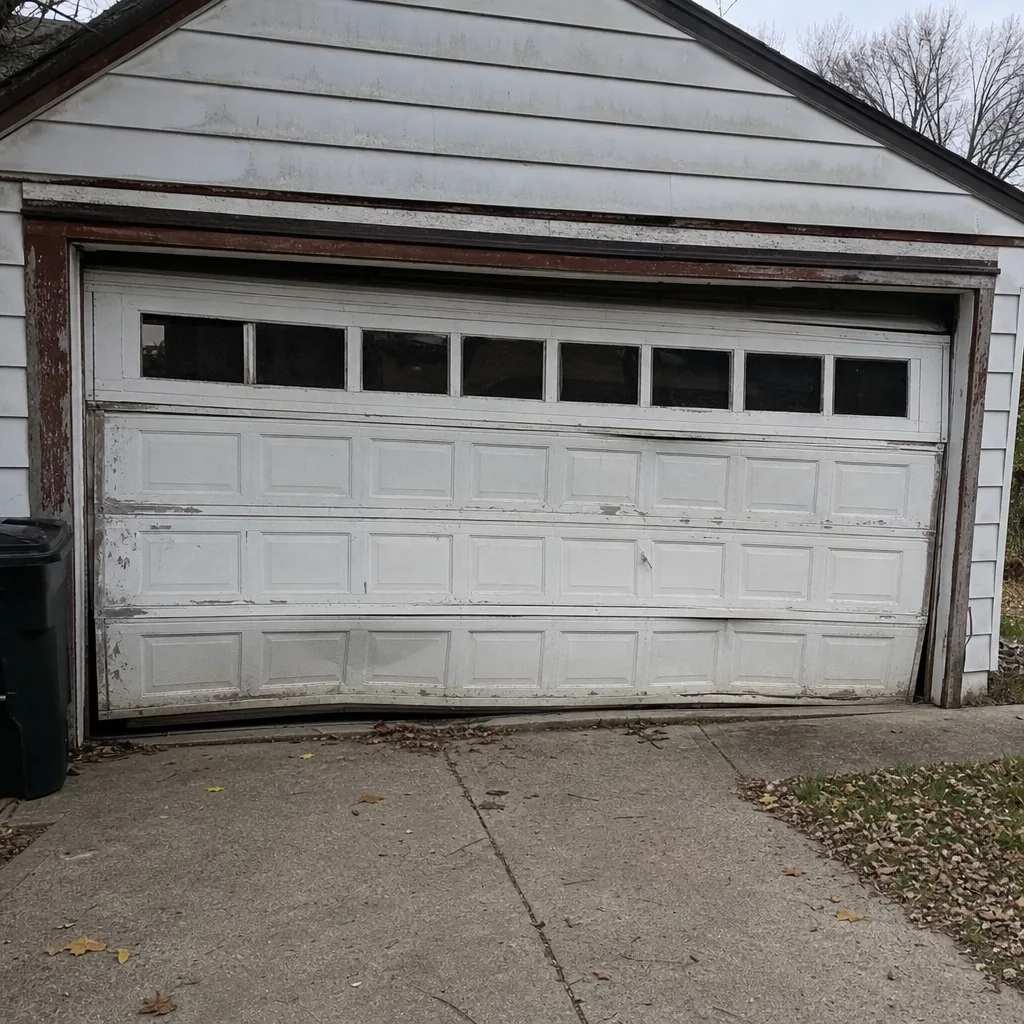 Before
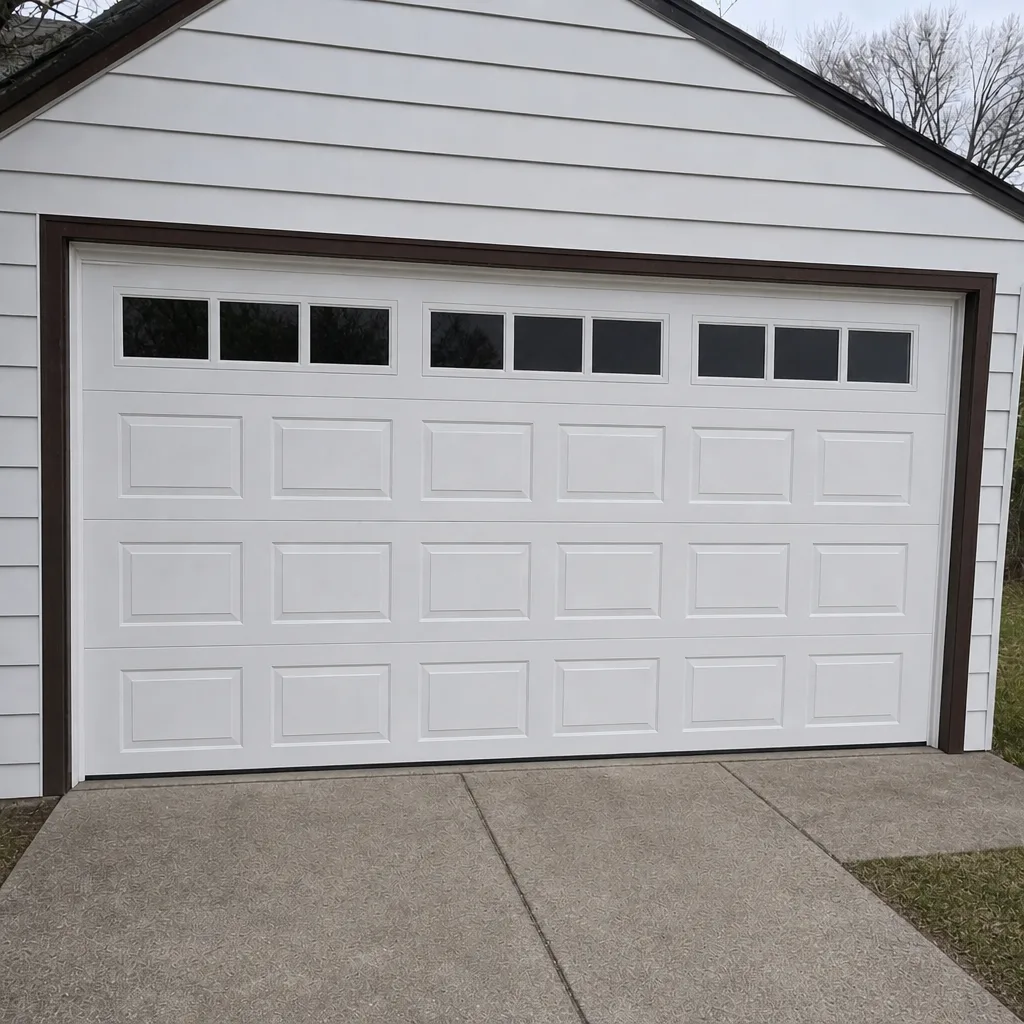 After
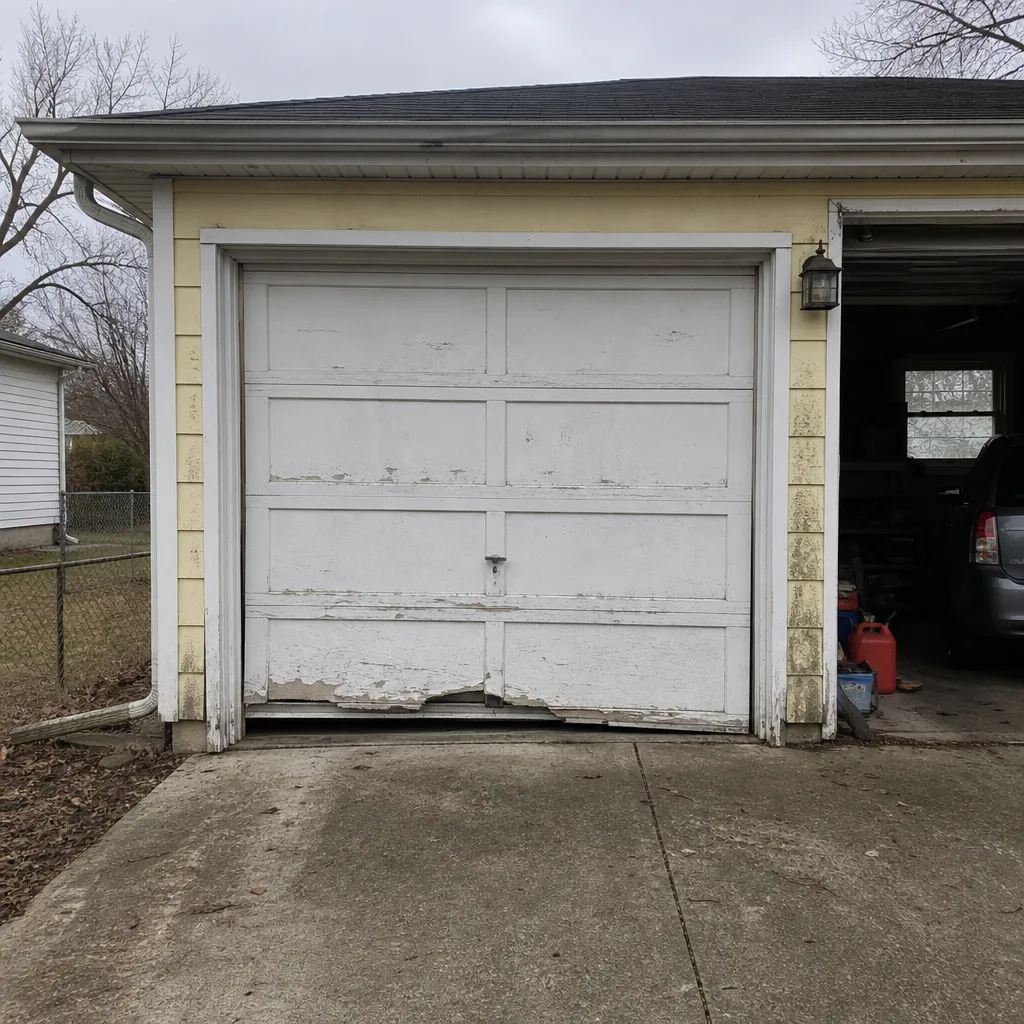 Before
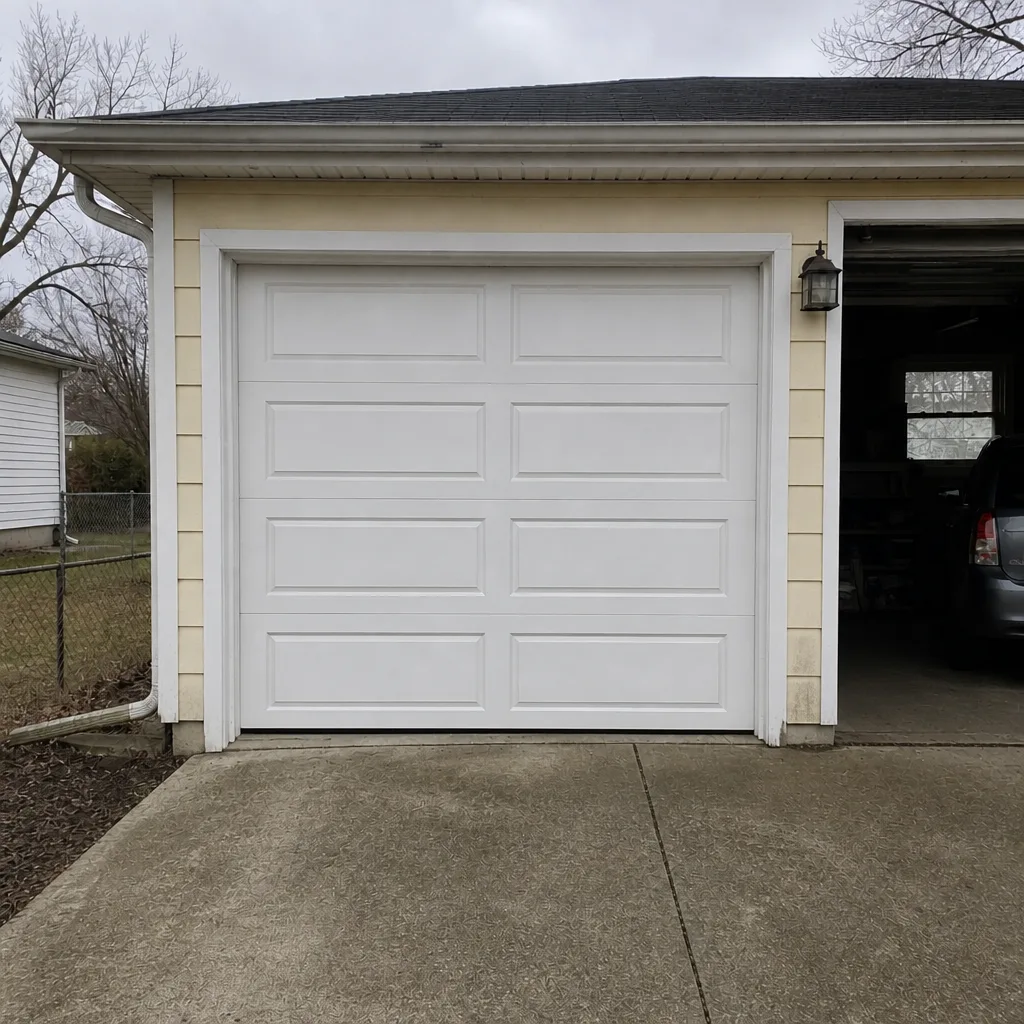 After
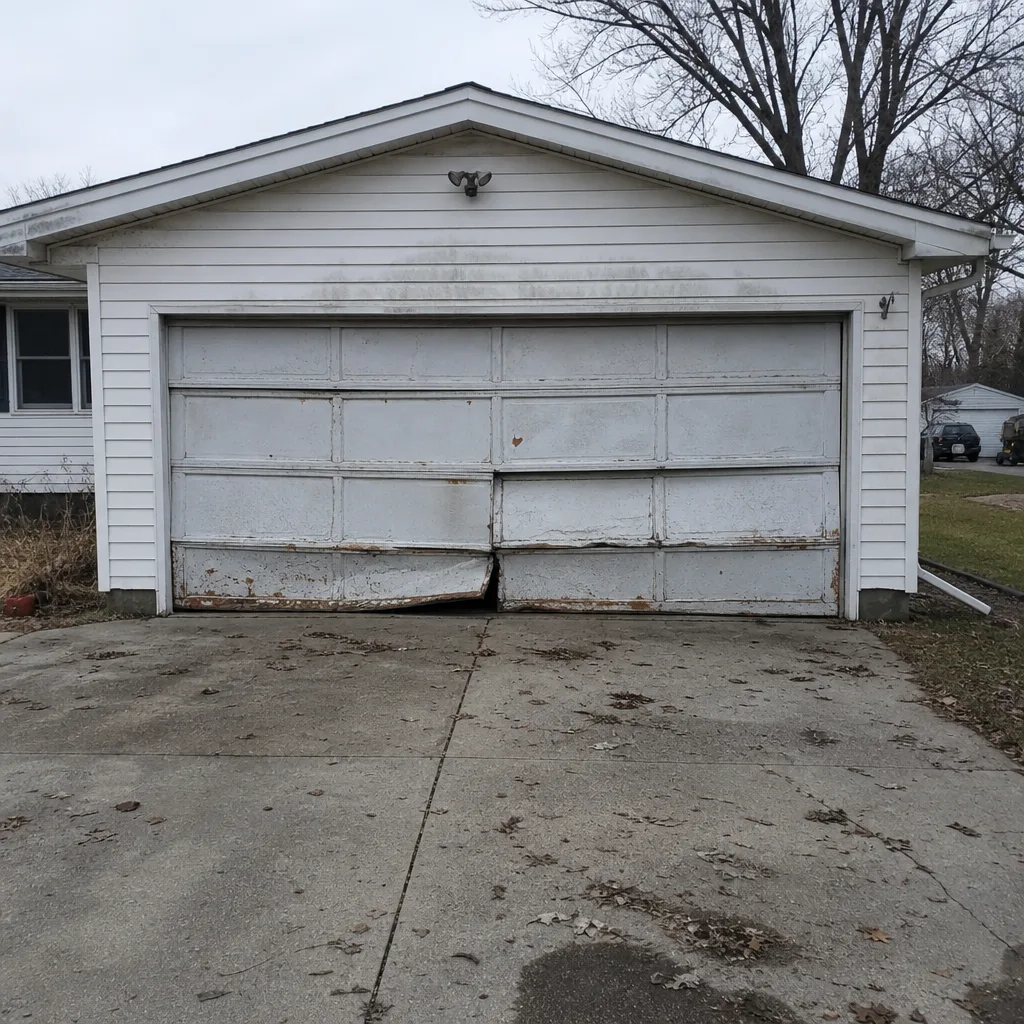 Before
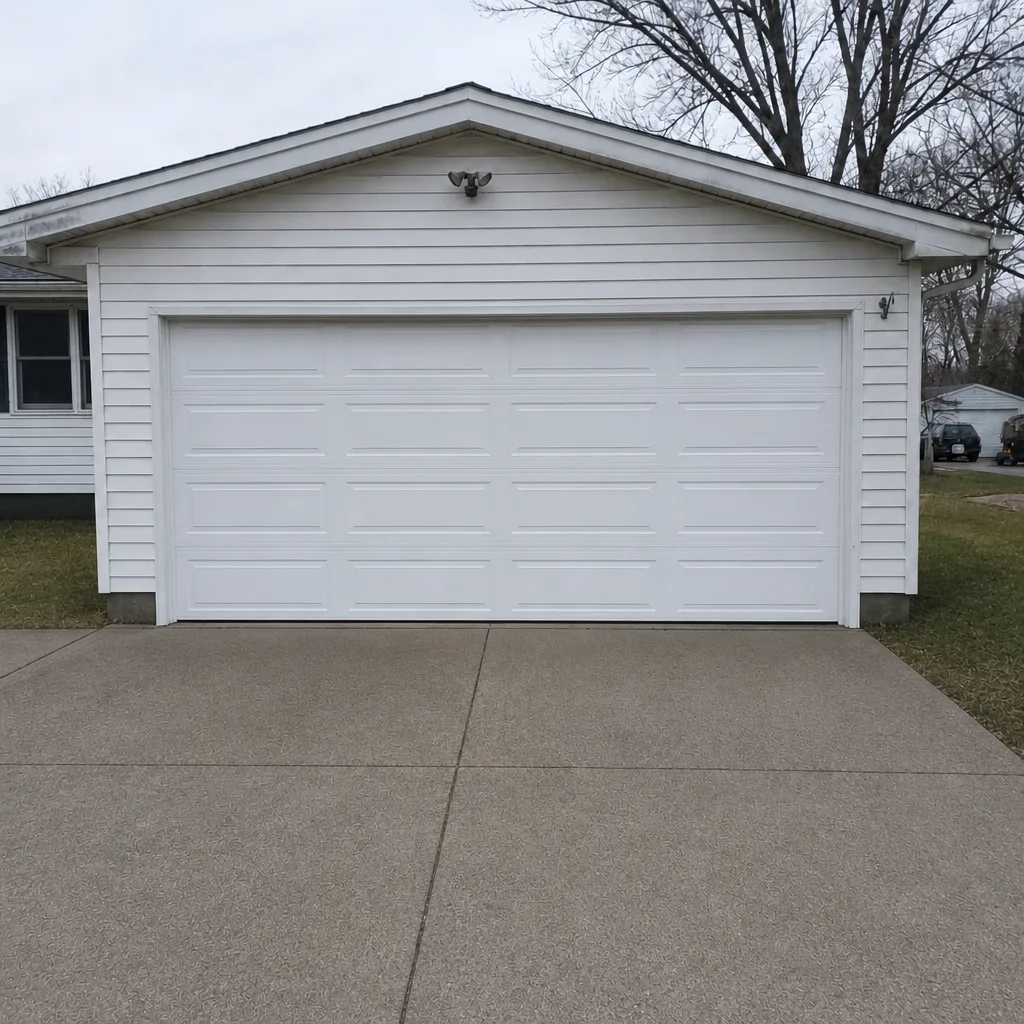 After
When to Call a Professional
Call a technician when you see signs of a spring problem: a loud bang, a door that won’t lift, or a visible gap in the coils. Call if the door reverses on its own or binds in the track. Call if you have a bottom seal gap after the thaw and the door won’t seal against a heaving threshold. Call for any opener problem you can’t trace to a blocked sensor. These are the situations where the fix involves real risk or real precision.
Garage Door Repair Tremont offers free estimates in Tremont, and we can schedule a seasonal tune-up or a spring inspection at your convenience. Call (855) 337-1175 to set up an appointment or ask a question. Our technicians have up to 12 years of experience, and we work on LiftMaster, Chamberlain, Genie, Clopay, Amarr, Wayne Dalton, Craftsman, and Raynor equipment. If you need a new door, we also handle installation, and if something fails when you need the door working, we offer emergency service.
Frequently Asked Questions
A garage door in Tremont benefits from a professional tune-up once a year, ideally in the fall before the cold sets in, plus your own spot checks in spring and summer. Because the climate has both humid summers and freezing winters, a single annual check can miss the seasonal problems that develop between visits. We recommend scheduling the professional tune-up in the fall and watching for the signs we outlined the rest of the year.
Torsion springs break most often in the coldest weeks because steel contracts and becomes more brittle, which increases the stress on a spring that’s already near the end of its cycle life. A spring that was fine in October is more likely to fail at 15°F. The fix is preventive: have a technician check the tension in the fall, before the cold arrives. Call (855) 337-1175 if a spring has already broken.
No, you shouldn’t. Torsion springs are under high tension and store enough energy to cause serious injury if handled incorrectly, which is why we recommend trained technicians for all spring work. This isn’t a DIY job even for a confident homeowner. Call us and we’ll handle it safely.
The likely cause is the opener’s force-limit setting: cold stiffens the door mechanism, which can push a narrowly set limit past its threshold and cause an unexpected reversal. It can also be the door binding in the track, which a technician should check. Both are professional adjustments. Call (855) 337-1175 and we’ll test the door and the opener settings.
The best prevention is to replace a stiff, aged bottom seal in the fall and keep the threshold clean. A seal that’s cracked or brittle is the one most likely to freeze to the concrete. If the door does freeze, don’t force it. Call (855) 337-1175 and we can advise you or schedule a visit.
The pre-winter spring tension check is the most important, because spring failure is the most dangerous and disruptive problem, and it’s most likely to happen in the cold months. A close second is the fall lubrication sequence done in the right order. Together they prevent the majority of winter breakdowns.
The Bottom Line
A garage door in Tremont faces two hard seasons, not one, and the problems that develop differ by season. Torsion springs fail in the cold because steel contracts and becomes brittle. Wood panels swell in the summer humidity and can misalign the track. Frost heave opens bottom seal gaps in spring. The opener’s force-limit settings drift with temperature and can cause unexpected reversals. A single annual check catches what happens to be visible that day, which is why a short, four-part seasonal schedule works better. Do the fall tune-up in the right order, check the spring tension before the cold, watch for summer swelling, and inspect the threshold after the thaw. For the work that carries real risk or needs precision, call a trained technician.
Written by the team at Garage Door Repair Tremont.