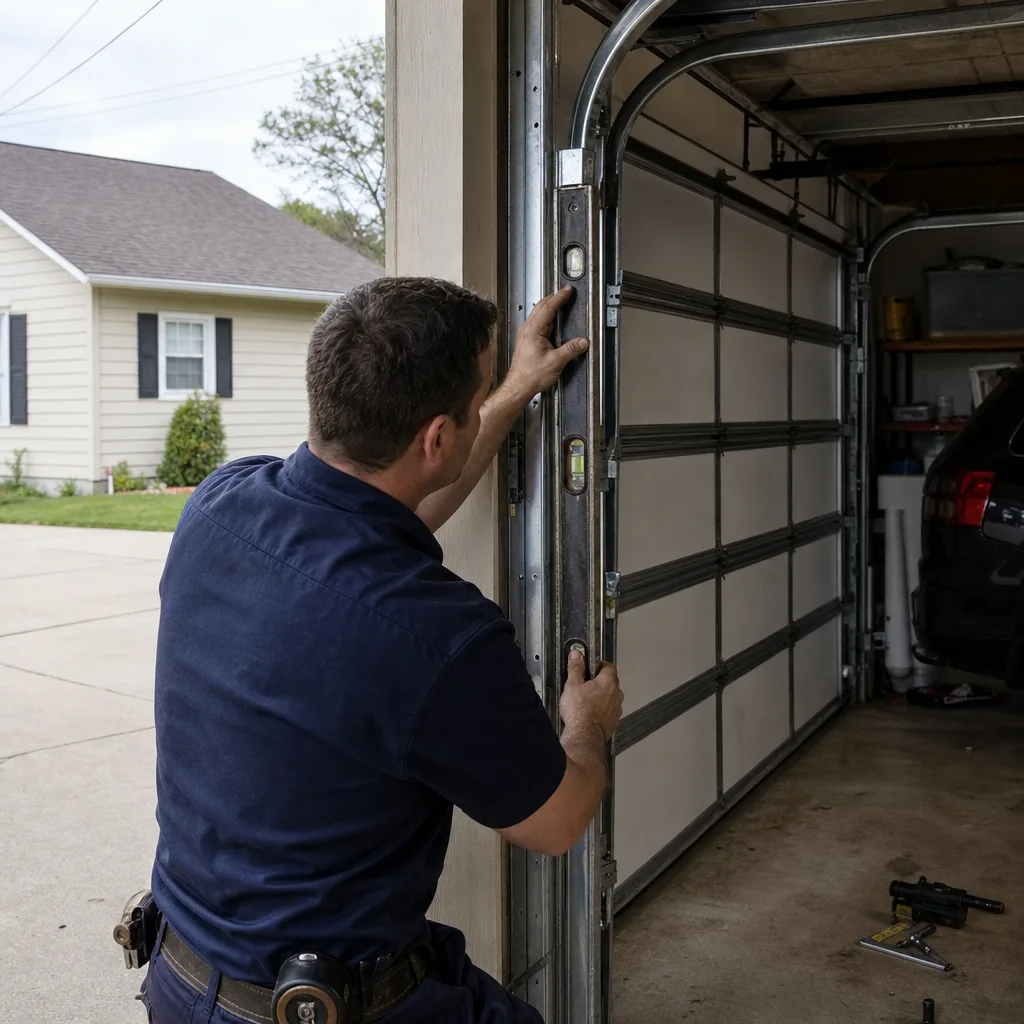
Last updated November 21, 2026
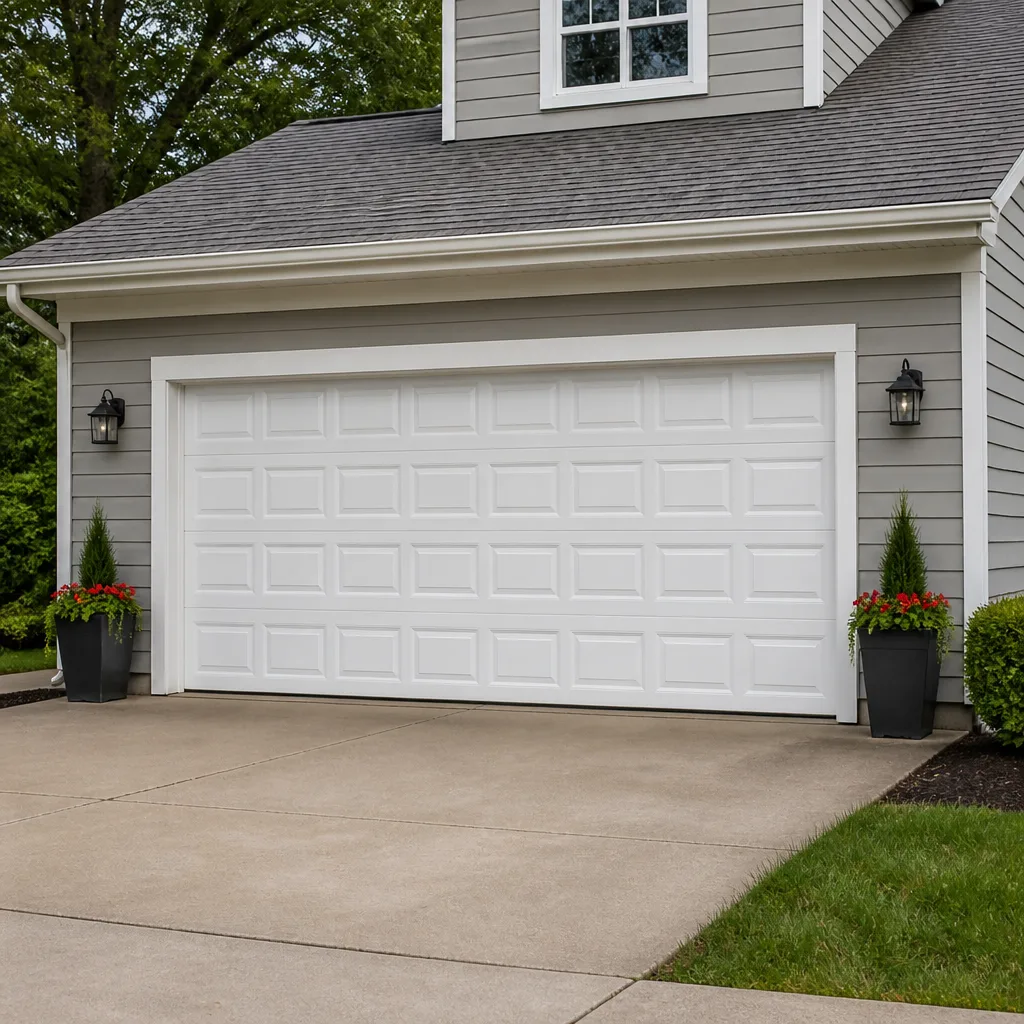 Raised-panel steel
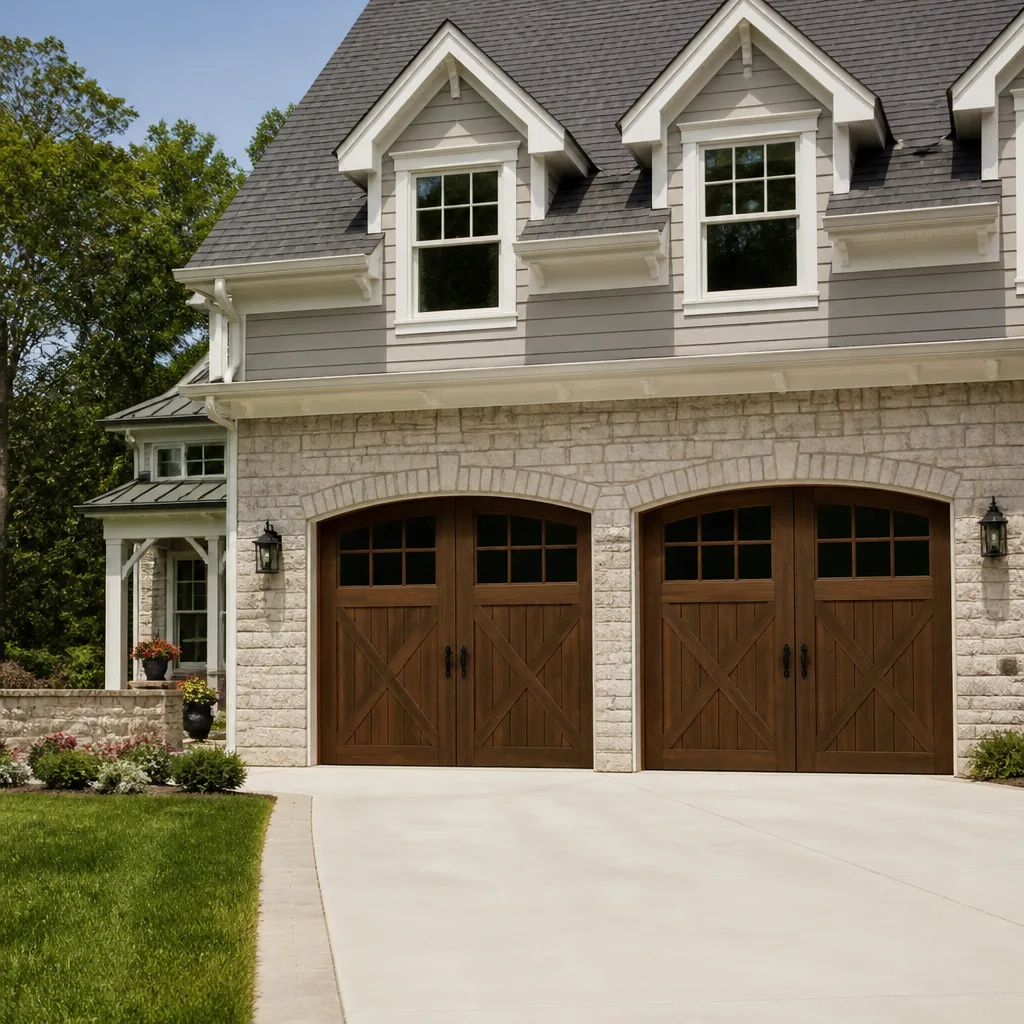 Carriage house
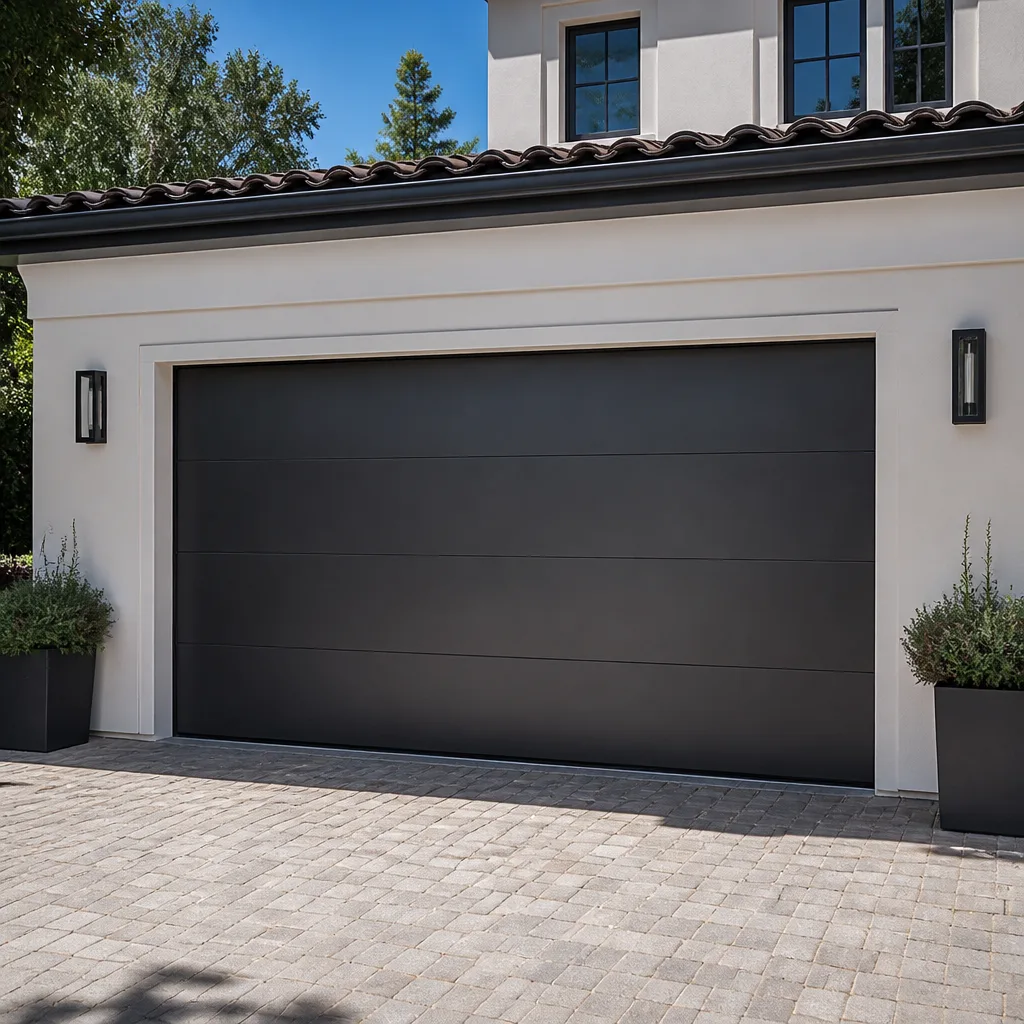 Modern flush
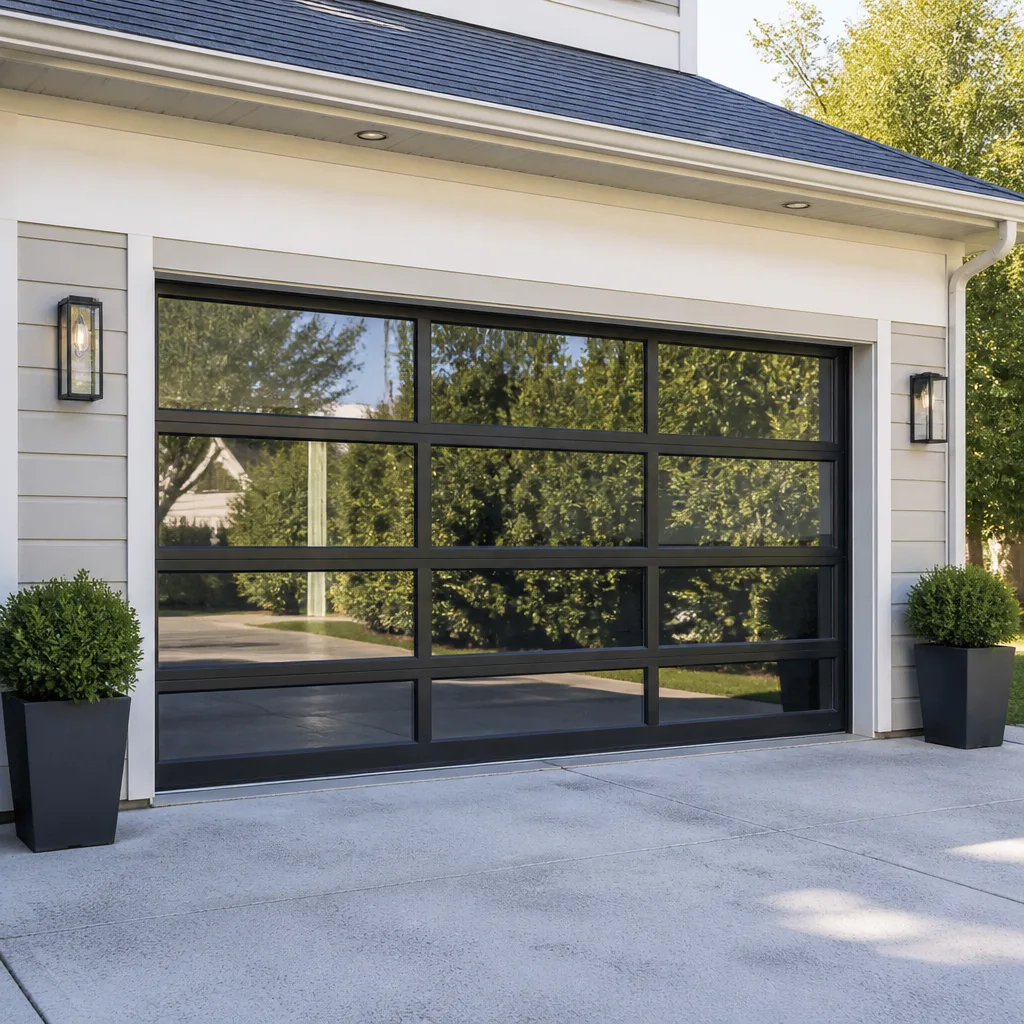 Full-view glass
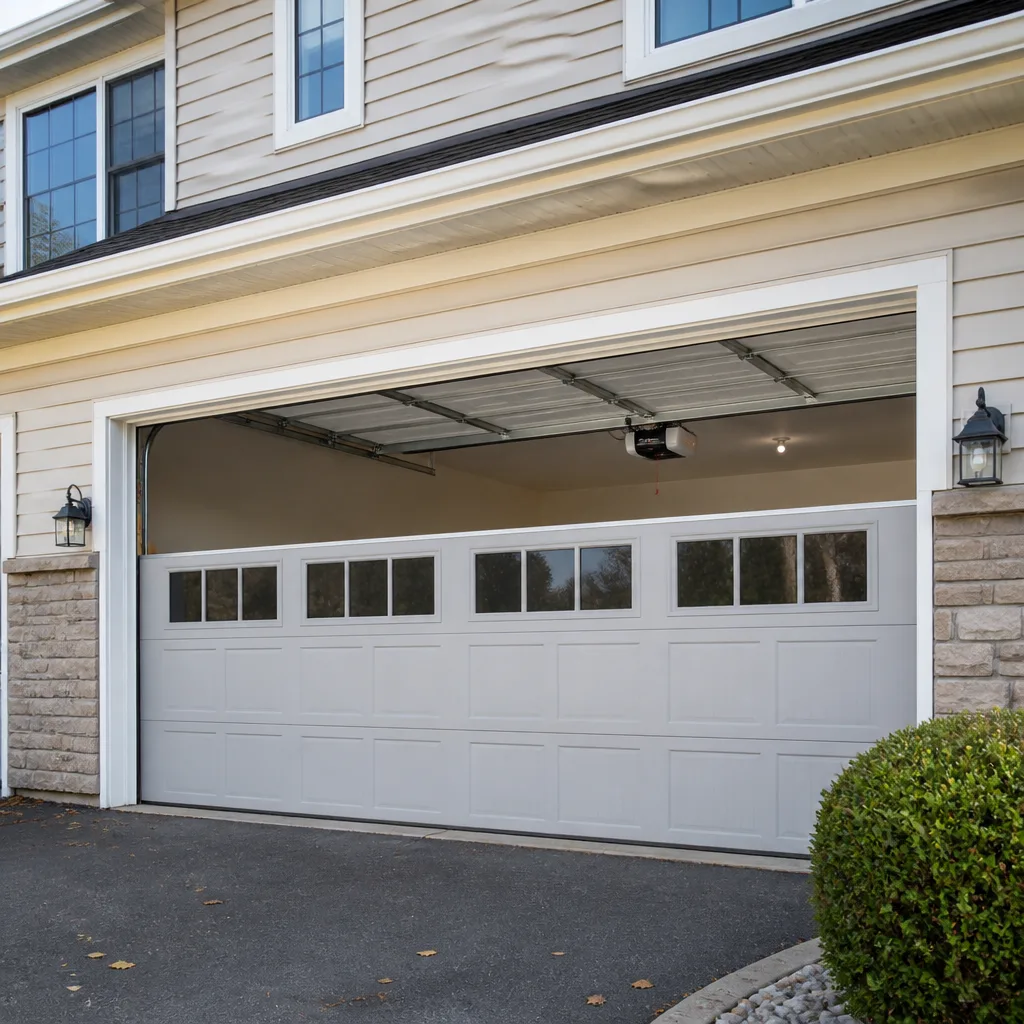 LiftMaster openers
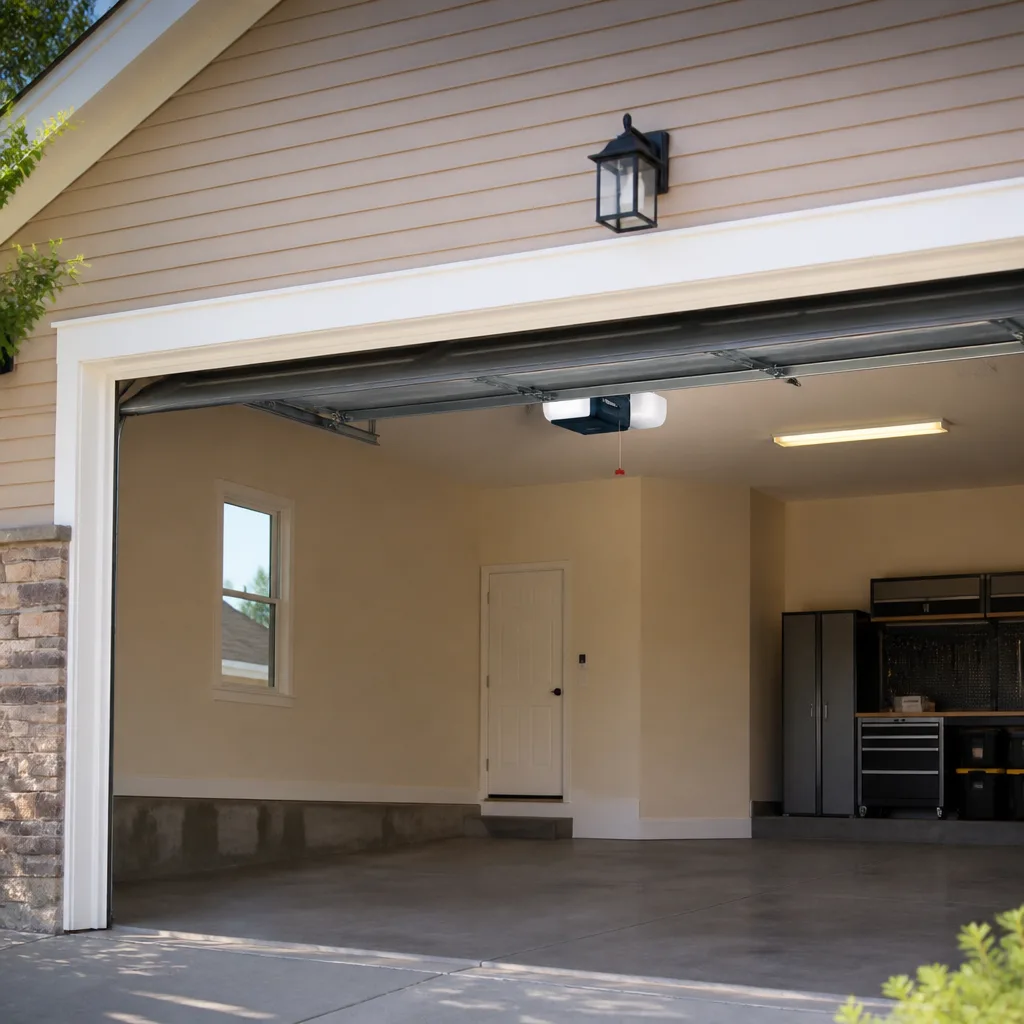 Chamberlain openers
Full 25-point door and opener safety check with every visit - springs, cables, rollers, tracks, and your LiftMaster or Chamberlain opener included
You get a price before we start. It does not change when the pro arrives.
Get your free estimateDIY vs Professional Garage Door: The Tremont Homeowner’s Decision Guide
Most homeowners frame the garage door repair question around confidence: how hard could it be, and how much can I save? That framing is the problem. The line between a good weekend project and a bad day in the emergency room isn’t drawn by your skill level, your toolkit, or how many videos you’ve watched. It’s drawn by physics. A torsion spring under load stores torque in a housing that offers no warning before it lets go, and no amount of caution on your part changes that stored energy. This guide covers what’s genuinely safe to handle yourself in Tremont, what isn’t, and where the honest cost comparison lands.
Quick Answer
You can safely DIY weatherstripping, roller lubrication, sensor alignment, and remote reprogramming because none of those tasks involve stored tension or high-voltage wiring. You should never DIY torsion spring replacement, cable work, or anything inside the opener’s electrical housing. For those jobs, the labor cost of a professional is far less than the medical and structural risk of getting it wrong. Call (855) 337-1175 for a free estimate on the jobs that belong to a technician.
Styles & brands we work with
- Raised-panel steel
- Carriage house
- Modern flush
- Full-view glass
- LiftMaster openers
- Chamberlain openers
Table of Contents
- The Physics Rule: What Makes a Garage Door Job DIY-Safe?
- Five Garage Door Tasks You Can Safely Do Yourself
- Why Torsion Springs Are in a Different Category Entirely
- Cables, Brackets, and the Parts That Carry Load
- DIY vs Professional Cost: An Honest Comparison
- The Middle Ground: Buy the Parts, Let a Technician Install
- Tremont-Specific Considerations
- Common Mistakes to Avoid
- When to Call a Professional
- Frequently Asked Questions
The Physics Rule: What Makes a Garage Door Job DIY-Safe?
Here’s the principle that actually decides the matter, and you can apply it before you pick up a single tool. Any garage door maintenance task falls into one of two boxes: tasks with stored mechanical energy, and tasks without. Everything without stored tension or live electrical current is generally within reach of a careful homeowner. Everything with either one belongs to a trained professional.
A torsion spring stores roughly 100 foot-pounds of torque when wound. That figure is the reason springs are the most dangerous component on the entire door. It’s not that replacing one is complicated to understand. It’s that the energy is sitting there, behind the winding cone, waiting for a bar to slip. Standard household safety habits – gloves, eye protection, common sense – don’t reduce that energy at all.
- Stored energy present: torsion springs, extension springs, lift cables, bottom brackets, center bearing plates, drums.
- Live electrical present: opener motor housing, wall control wiring, photo-eye wiring at the header.
- Neither present: weatherstripping, rollers, hinges, tracks (unloaded), sensors, remotes, keypads, exterior finish.
The good news is that most of the maintenance work an average homeowner actually wants to do falls into that third category. And anything in the first two categories is where professional service matters most, which is also why our Garage Door Repair Tremont team treats spring replacement as its own dedicated service rather than a footnote on a general repair list.
Five Garage Door Tasks You Can Safely Do Yourself
These are the projects we’d tell a friend to handle themselves. None of them involve opening the spring system, loosening a cable, or opening the opener’s electrical box. Each one improves how your door runs and, in a couple of cases, how much it protects your home.
- Weatherstripping replacement. The rubber seal at the bottom of the door takes a beating from temperature swings. Pull the old strip out of the retainer, measure it carefully, and cut the new strip slightly wide before tapping it back in. A snug bottom seal keeps out drafts and keeps the door from rattling in the wind.
- Roller lubrication. Apply a garage-door lubricant, not WD-40, to the roller stems and the pivot points at each hinge. Two or three passes per roller a couple of times a year quiets the door and slows roller wear. Skip the tracks themselves; they run better dry.
- Safety sensor alignment. If your door reverses for no reason, the two photo eyes near the floor are usually out of line. Loosen the wing nut, aim the sensors at each other until the receiving light goes solid, and retighten. Wipe the lenses clean while you’re there.
- Remote and keypad reprogramming. A new code or a fresh remote is a fifteen-minute job for most Genie, Chamberlain, or LiftMaster systems. Follow the opener’s manual, press the learn button, and pair the device within the allotted window.
- Opener force and travel adjustment. Most openers have two screws or a menu for force and travel limits. Nudging the close limit so the door seats flush against the floor is safely within reach. If the door still reverses under light hand pressure after adjustment, stop and call – that usually points to a spring problem, not an opener problem.
If you want a deeper walkthrough on opener behavior specifically, we cover symptom-by-symptom diagnosis on our garage door opener repair page.
Why Torsion Springs Are in a Different Category Entirely
Comparisons between spring replacement and, say, swapping a faucet cartridge miss the point. A faucet repair fails slowly – you get a leak, you notice it, you fix it. A spring repair fails instantly. The spring assembly holds the full weight of the door in tension, and when the torsion bar slips out of the cone without both winding bars locked in place, the bar becomes a projectile and the spring unwinds at speed. This is a stored-energy hazard, not a difficulty hazard.
That distinction has real consequences:
- Correct winding bars matter. Screwdrivers and sockets are not winding bars. They’re the wrong diameter, the wrong length, and the wrong hardness, and they’re the reason so many DIY spring attempts end badly.
- The measurements have to be exact. Wire gauge, inside diameter, and length have to match the door’s weight and height. A spring sized for a different door will work for a while and then fail early.
- A dropped door is heavy. If the door comes down while you’re underneath, the consequence is severe whether or not the spring survives.
Our technicians have up to 12 years of experience with precisely this repair, and it’s the job we turn down most often when a homeowner asks us for advice over the phone. A trained technician has the correct bars, the spring scale, and the winding procedure down to muscle memory. The savings on a DIY spring kit are real. They’re just not remotely in the same league as the risk.
Cables, Brackets, and the Parts That Carry Load
Lift cables, bottom corner brackets, and the drums that hold the cables are under constant tension whenever the door is closed. The bottom bracket in particular is under load from the cable at all times, even when the door appears to be at rest. Loosening the wrong bolt on that bracket can release hundreds of pounds of cable tension in a fraction of a second.
This is why “I just want to re-tension the cable” is one of the more dangerous phrases a homeowner can say on the phone. Cable work is a load-bearing job, and it belongs with spring repair as a line we don’t cross. What you can safely do:
- Inspect the cables visually for fraying, bird-caging, or rust, without touching them.
- Check the bottom bracket for deformation and note it for the technician.
- Look at the rollers for flat spots, and swap them out if you can do so without touching the cable.
Interior of the opener housing is another hard no for the same reason – it’s a live electrical job. When your system stops responding reliably, our garage door repair team can trace the actual cause, whether it’s in the opener, the door’s balance, or the safety circuit.
DIY vs Professional Cost: An Honest Comparison
Here’s where most comparison articles cheat you. They compare the cost of a DIY part to the full professional bill and call it a day. The honest version has to include the parts that only show up after the fact: the second trip, the callback, the replacement spring when the first one was sized wrong, and the parts that wear prematurely because the door has been running out of balance.
| Job | DIY route | Professional route |
|---|---|---|
| Weatherstripping | Cost of the strip, roughly an hour of time | Usually overkill for an experienced homeowner |
| Roller replacement | Cost of the rollers, a couple hours of time | Often bundled with a service call |
| Opener repair | Parts cost plus risk of buying the wrong board | Diagnosis and repair, quoted before the work |
| Torsion spring replacement (one spring) | Cost of a spring kit plus winding bars | Typically a few hundred dollars, written quote first |
The pattern is clear once you look at it. The cheap, low-risk jobs are genuinely cheap to DIY. The high-risk jobs do not save enough to justify the risk, and they sometimes end up costing more when the first attempt wasn’t in spec and a technician has to redo the work. Any quote from our team is agreed in writing before anything starts, so you know the number before you commit. If you’re weighing a new door against a repair, our garage door installation page walks through timing and options.
The Middle Ground: Buy the Parts, Let a Technician Install
This option gets skipped by almost every DIY guide, and it’s usually where the best deal actually lives. You can source a spring, roller set, or weatherseal at the exact spec yourself – often at a lower cost than a full-service parts markup – and hire a technician for the labor. On a spring replacement, that arrangement makes real sense if you’re comfortable matching wire gauge and length and if you already know the correct spec for your door.
It’s less useful for:
- Opener electronics. Whether you’re running a Genie or a Wi-Fi-era Chamberlain, the correct board and firmware matter, and it’s easier to let the technician match the right unit.
- New doors. Clopay and Amarr pricing varies by panel configuration and window options, and the sizing has to match the opening exactly. Ordering the door yourself is a step most homeowners regret.
- Warranty-covered work. Parts bought outside a warranty channel often aren’t covered, and neither is the labor on them.
If you go this route, be upfront with the technician about it when you book. It changes how we quote, and it prevents surprises on either end. Bring the model number from the label inside your door’s panel or the opener’s serial sticker to the call.
Tremont-Specific Considerations
A couple of things are particular to doors in the Tremont climate that affect how much DIY is worth doing. Temperature swings through the year are hard on the rubber at the bottom of the door, so weatherstripping tends to need replacement more often than in milder climates. Roller lubrication matters more here too: the same door that runs quietly in a stable temperature will start to squeal when the column shifts. Doing those two jobs a couple of times a year costs you almost nothing and postpones much bigger work.
Wiring in the opener is something we’re cautious with, and that applies to every Tremont property regardless of the neighborhood. If you’re in a converted building, a row of older houses, or a newer build, the opener circuit may or may not match the manual’s diagram. That’s a call worth making. It’s also why we treat Wayne Dalton and Genie systems as named expertise rather than a one-size answer – the wiring and calibration differ.
Permit requirements for a full door replacement vary by municipality. We can’t speak for your local building department on that, so check with them directly before scheduling; they’re the ones who know the current rule. Small repairs and adjustments don’t typically involve a permit.
Affordability is worth a mention too. Tremont pricing for a repair is usually in line with the surrounding market, but the winter cold makes a stuck door more expensive than a scheduled adjustment. If a spring has gone slack in January, waiting for better weather can mean several weeks of an inoperable door.
Common Mistakes to Avoid
- Using the wrong tool for a spring job. Screwdrivers and sockets slip out of winding cones. Winding bars exist for the job, and skipping them is how most injuries happen.
- Buying a spring by length alone. Wire gauge and inside diameter have to match the door weight and height. A spring that runs at the wrong tension fails early and can bind the door mid-travel.
- Ignoring an unbalanced door. If the door slams shut when closed halfway, or drifts up when opened halfway, it’s out of balance. Keep running it and you’ll wear out the opener motor – a much bigger repair.
- Adjusting the opener force to compensate for a spring problem. Raising force hides the symptom and overloads the motor. If you cranked the force up recently, the real issue is probably elsewhere.
- Loosening a bottom bracket to “re-tension the cable.” That bracket carries full cable tension. There’s no gentle version of this job.
- Replacing weatherstripping without measuring twice. The rubber has to seat in the retainer at both ends. Overshoot and you’ll fight the track; undershoot and the seal won’t close at the corners.
- Mistaking opener faults for door faults. A door that reverses or stops is more often an unbalanced door or a sensor issue than a dead opener. Diagnose before replacing the unit.
When to Call a Professional
Call us when a spring has broken, a cable has snapped or frayed, the door has dropped or is stuck open, or the opener is making noises it didn’t make before while the door is still under tension. Call us when the door is closing unevenly, when it’s got a gap at the floor on one side, or when the bottom seal has come loose and won’t take a replacement. And call us when you’re not sure – diagnosing over the phone is free and usually spares you a wasted trip to the hardware store. Our technicians have up to 12 years of experience, and we work on the systems you already own, from Genie to Wayne Dalton. Garage Door Repair Tremont offers free estimates in Tremont: call (855) 337-1175.
Frequently Asked Questions
We don’t recommend it. A torsion spring holds roughly 100 foot-pounds of torque when wound, and releasing that energy requires proper winding bars and a procedure that standard safety precautions don’t make safer. Screwdrivers and sockets aren’t winding bars, and slipping one out of the cone is how injuries happen. Call (855) 337-1175 for a spring quote – estimates are free.
Weatherstripping, roller lubrication or replacement, sensor alignment, remote and keypad reprogramming, and force/limit adjustments on the opener are all safe for a careful homeowner. None involve stored spring tension or opening the opener’s electrical housing. Anything involving springs, cables, bottom brackets, or the wiring inside the opener belongs to a technician.
Sometimes. On a spring replacement, sourcing the exact-spec part yourself and paying a technician for the install can save money if you’re confident in the measurements. On a new door or opener electronics, ordering yourself is usually more trouble than it saves. Be upfront when you book so the quote reflects it.
Typical estimates for a single spring replacement land in the few-hundred-dollar range, and opener repairs and roller replacements are usually less. The written quote sets the final price, and we agree the number with you before any work starts. Call (855) 337-1175 for a free estimate specific to your door.
Not without your agreement. We diagnose on-site, quote in writing, and only start the work when you say go. If we find something unexpected – a cracked bottom bracket, a worn cable – we show you what we found and quote it separately before proceeding. You always know the number before we touch the door.
The local professionals we connect you with are licensed and insured as the state requires. We work on LiftMaster, Chamberlain, Genie, Clopay, Amarr, Wayne Dalton, Craftsman, and Raynor systems, so your existing brand doesn’t limit what we can diagnose. Call (855) 337-1175 to book a visit or ask a question before you decide.
The Bottom Line
The DIY question on a garage door comes down to stored energy, not confidence. Weatherstripping, rollers, sensors, and remotes are yours to handle, and doing them yourself is a genuine saving. Springs, cables, brackets, and opener wiring are a different category entirely, and the math on going it alone doesn’t work once you account for the risk and the likelihood of a second trip. If you want a second opinion on which side of the line your job falls on, Garage Door Repair Tremont can give you a straight answer and a free estimate.
Written by the team at Garage Door Repair Tremont.
See the difference
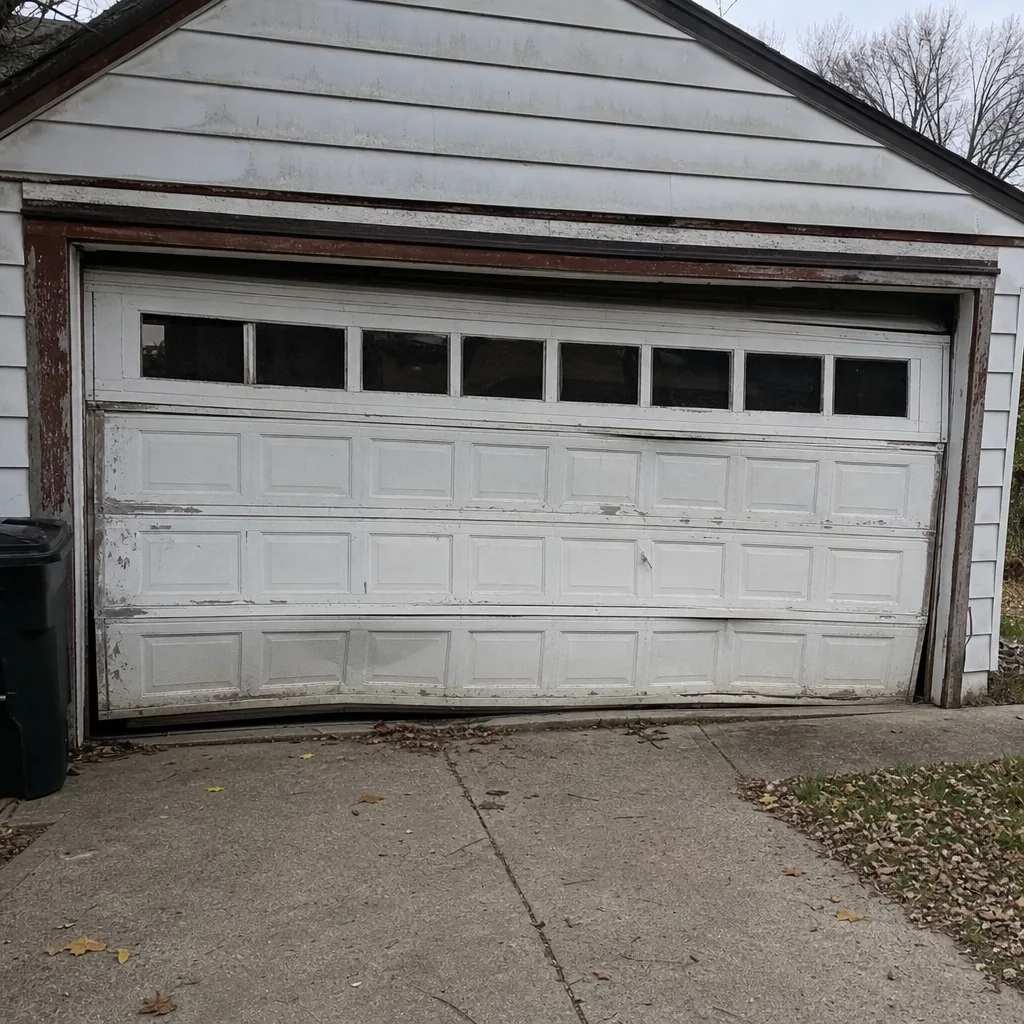 Before
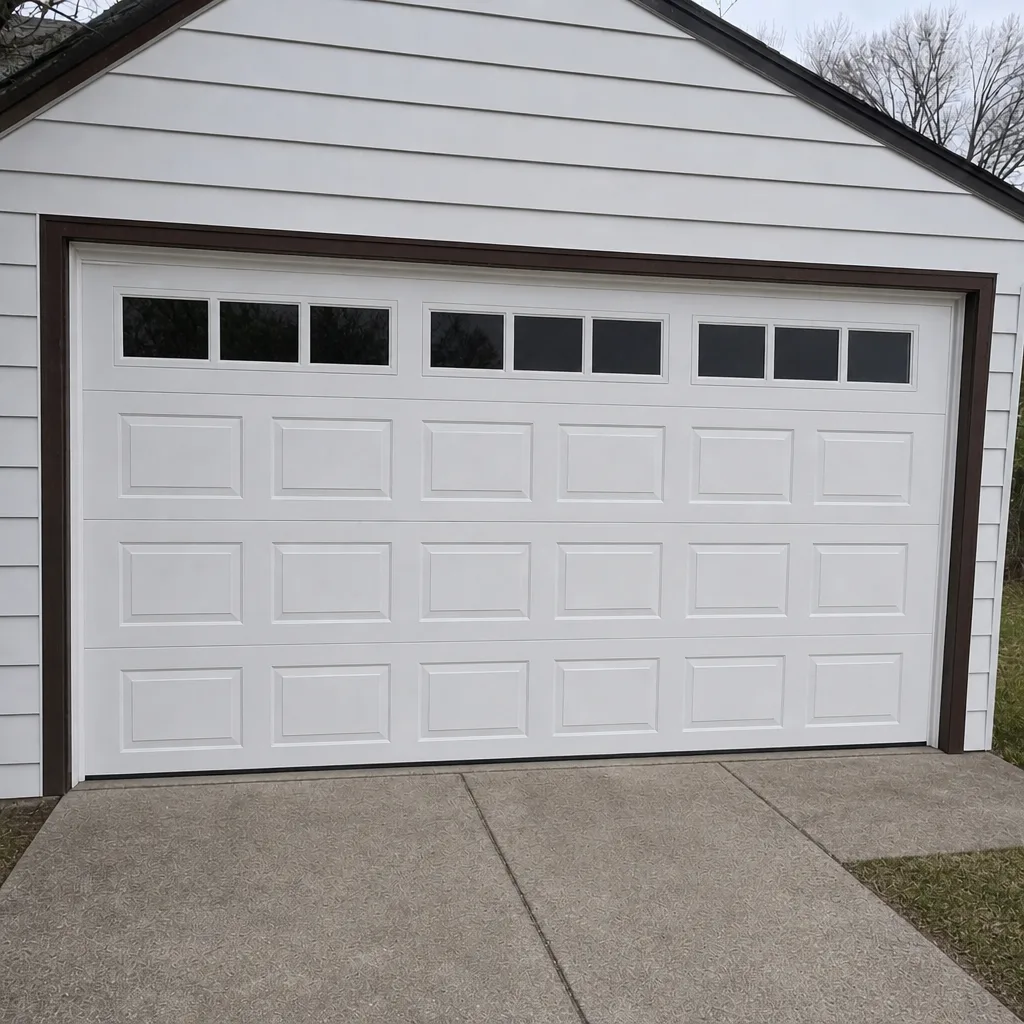 After
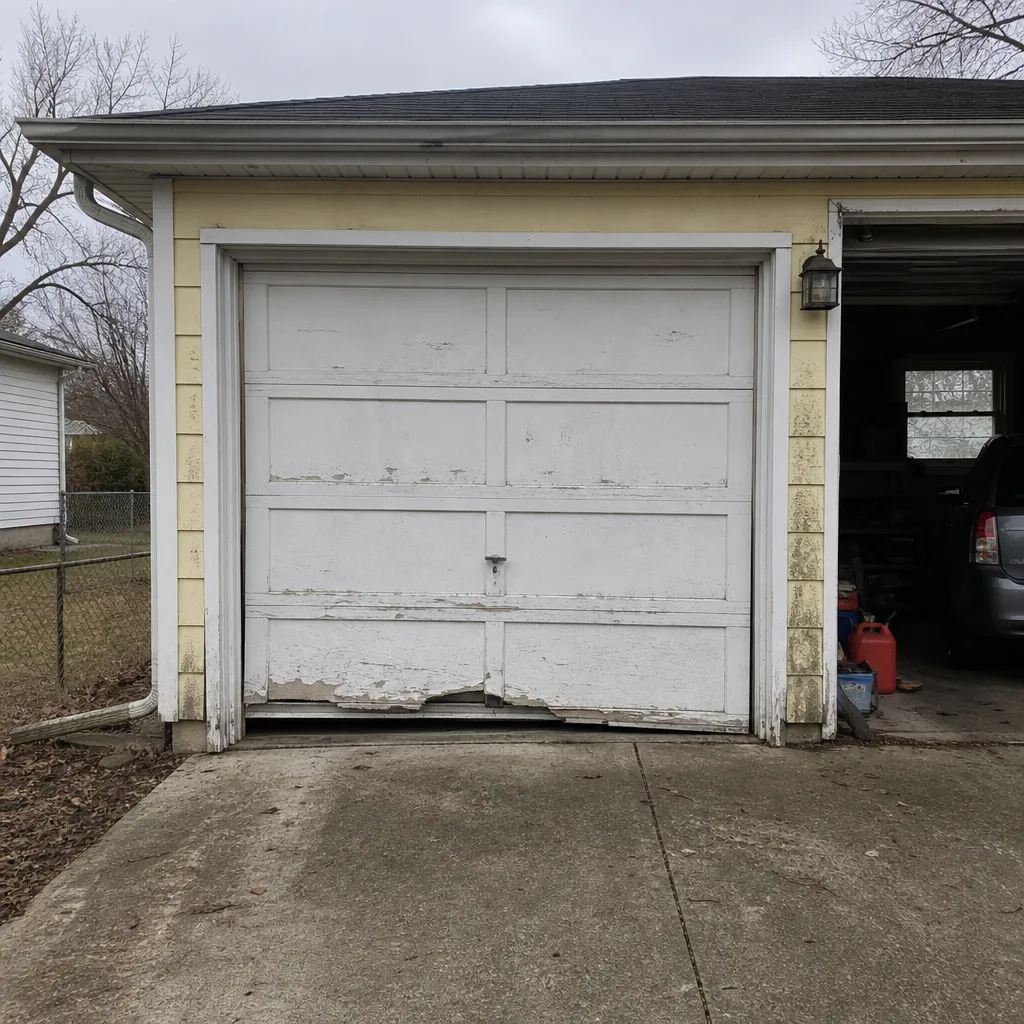 Before
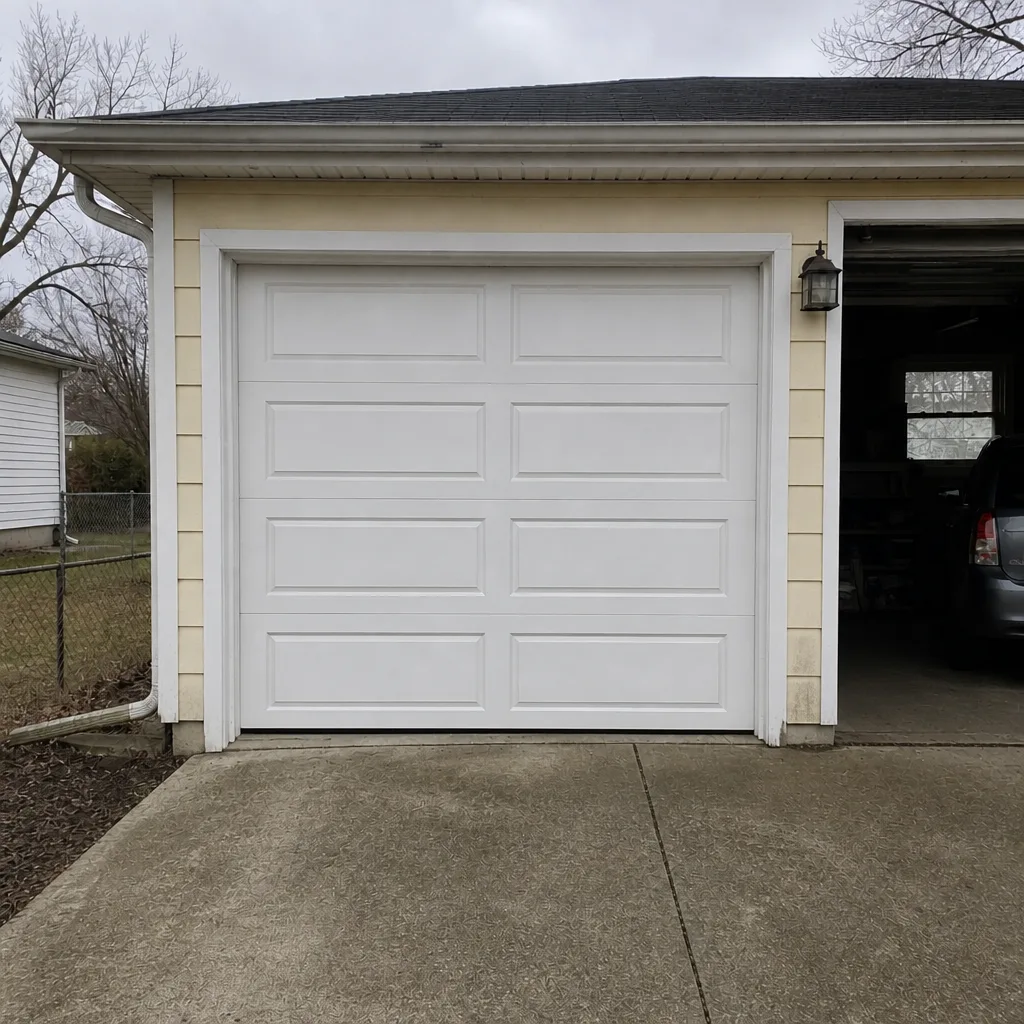 After
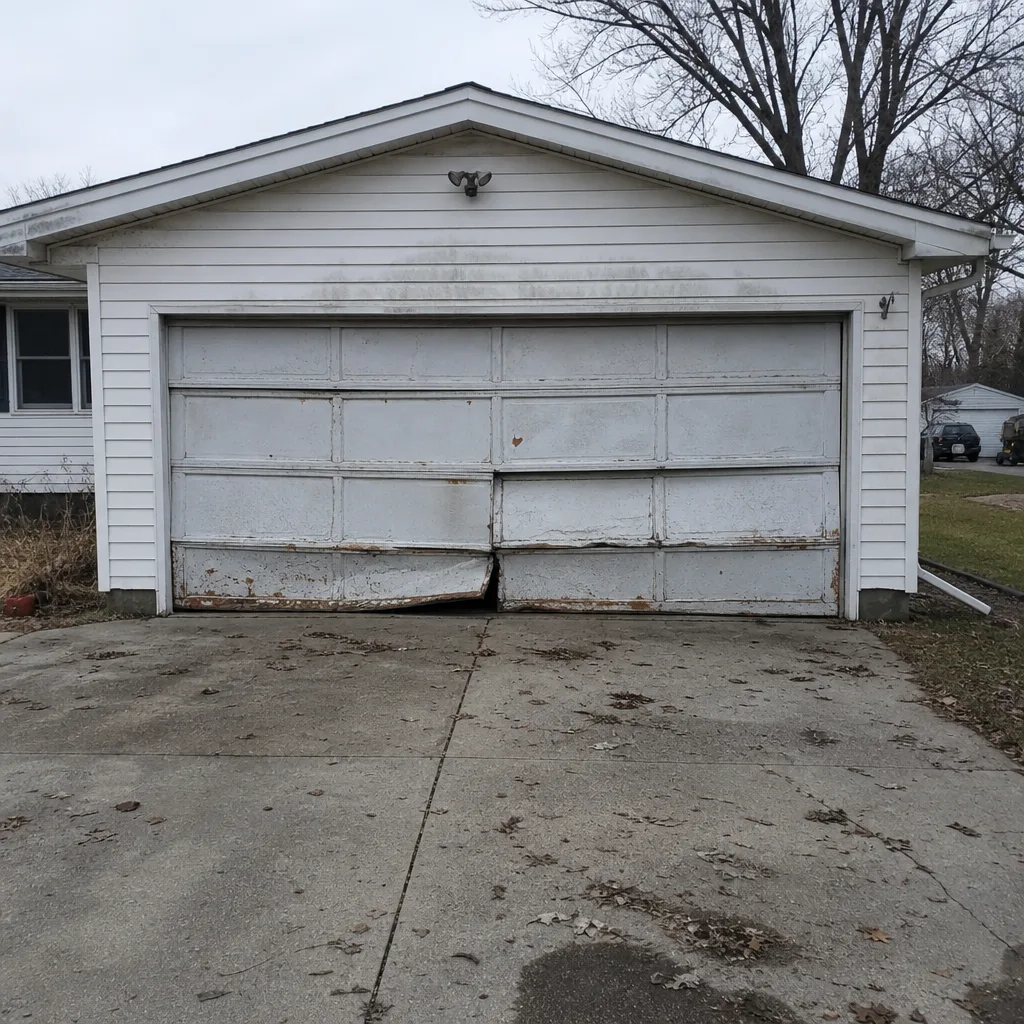 Before
 After