Last updated November 21, 2026
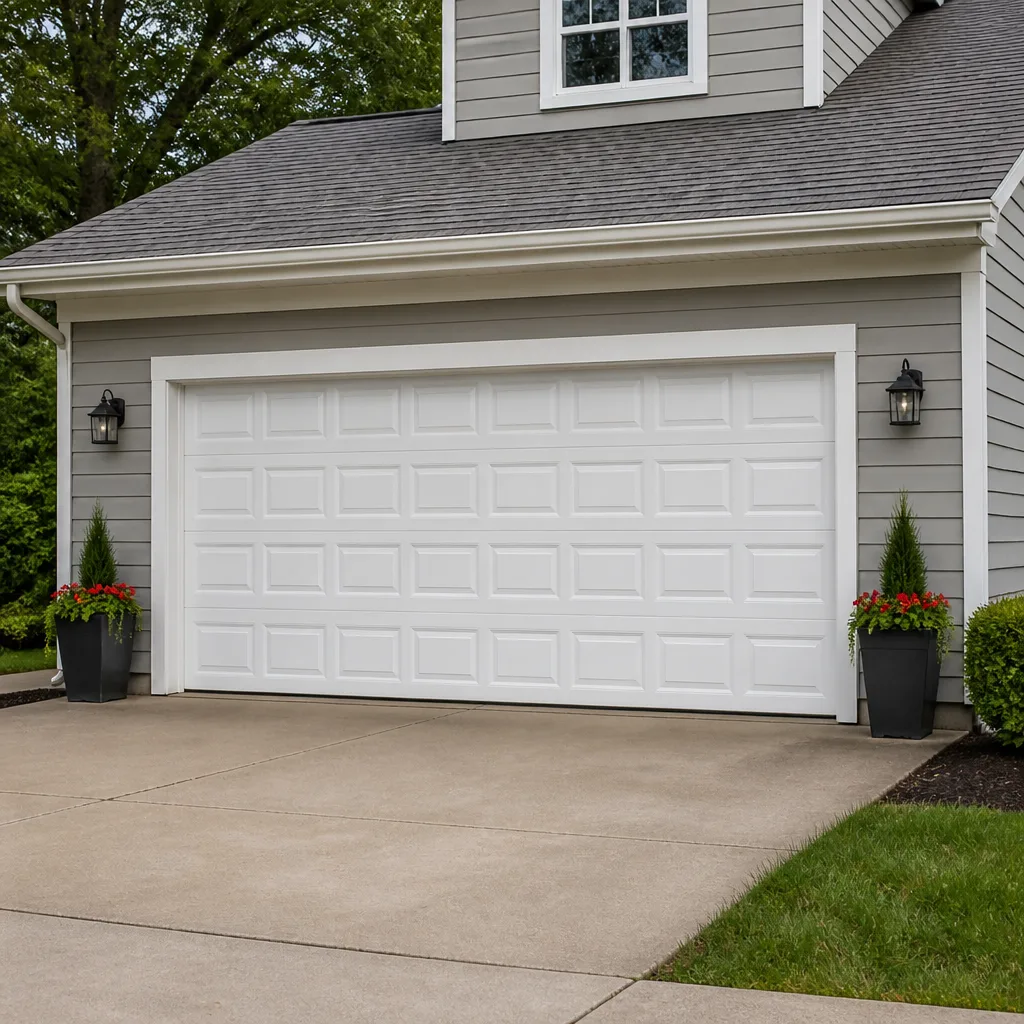 Raised-panel steel
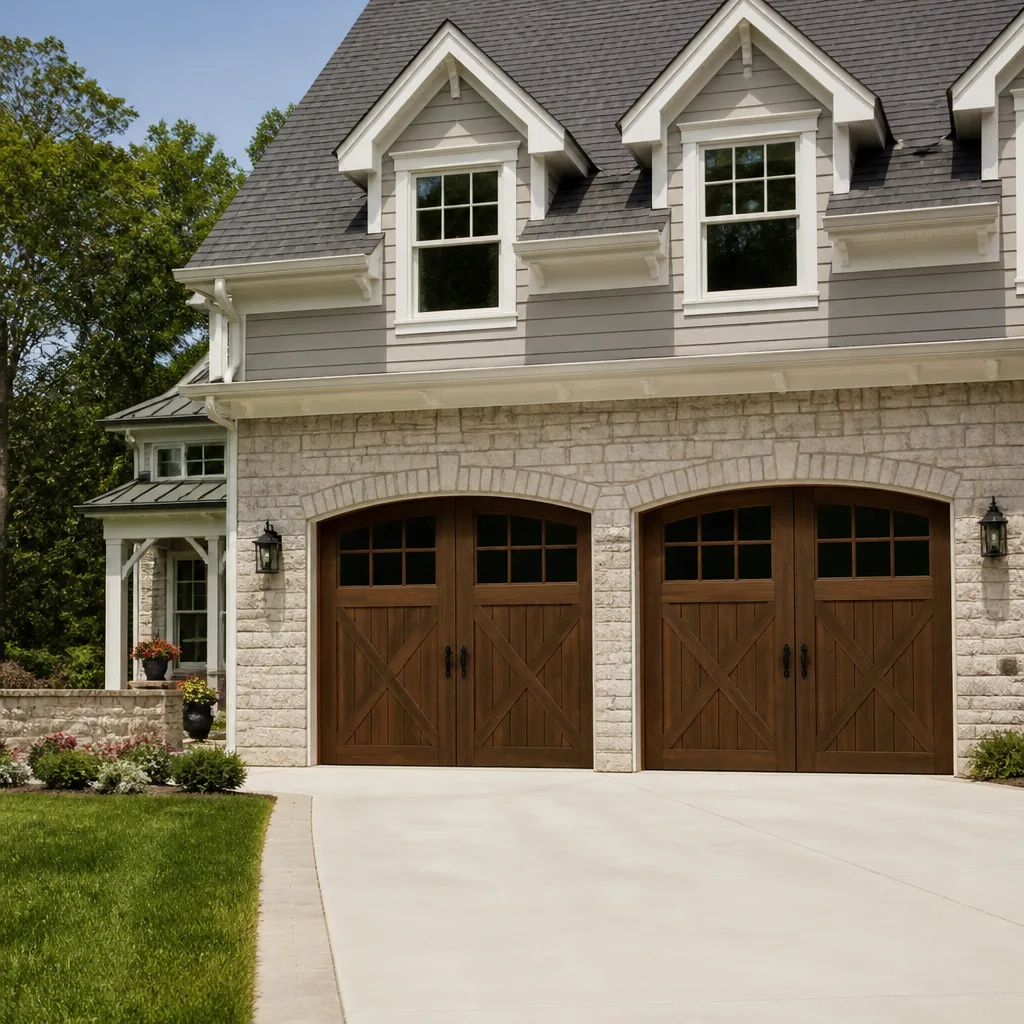 Carriage house
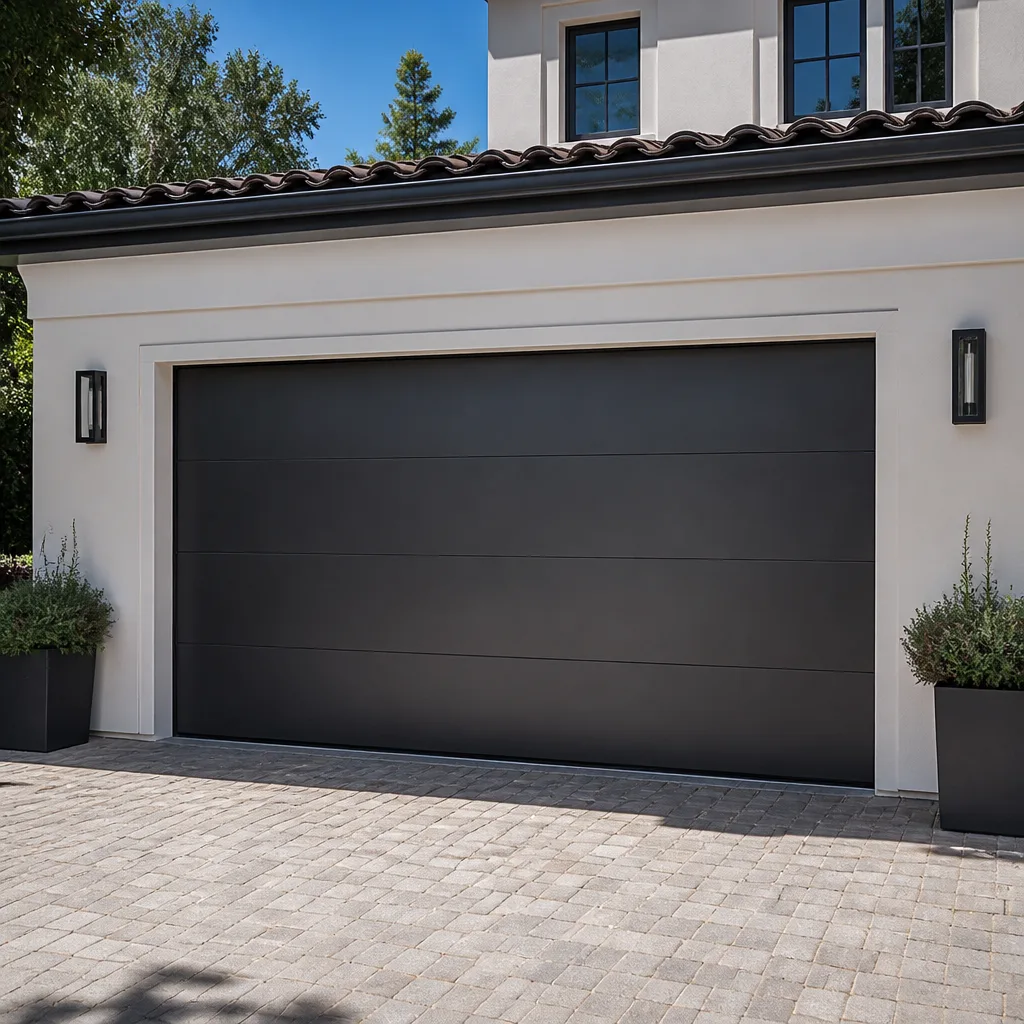 Modern flush
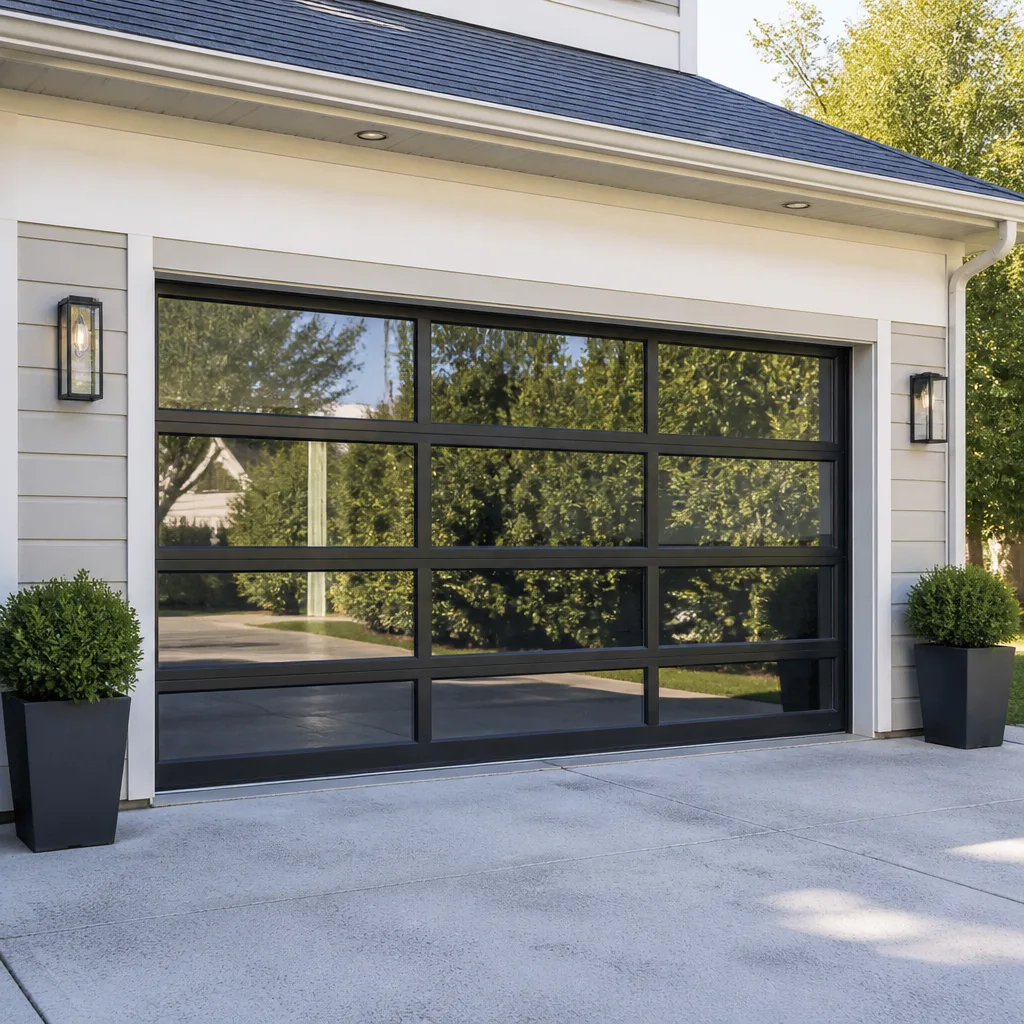 Full-view glass
 LiftMaster openers
 Chamberlain openers
Full 25-point door and opener safety check with every visit - springs, cables, rollers, tracks, and your LiftMaster or Chamberlain opener included
You get a price before we start. It does not change when the pro arrives.
Get your free estimateChoosing the Right Garage Door Brand: A Buyer’s Guide for Tremont
Most Tremont homeowners pick a garage door the way they’d pick a car: by the name they recognize from advertising. That’s the wrong starting point. The most-advertised brand isn’t necessarily the one with the best parts availability in New York, and when your spring snaps on a Sunday, local parts stock matters far more than the logo stamped on the panel. A garage door is a mechanical system – panels, torsion springs, track, hinges, rollers, and an opener – and each brand builds those components to different specs with different service networks behind them. This guide walks through the variables that actually decide whether a door performs for a decade or turns into a parts scavenger hunt: steel gauge, opener compatibility, insulation reality versus R-value marketing, and what a “lifetime warranty” truly covers here in Tremont.
Quick Answer
There’s no single “best” garage door brand for Tremont – the right choice depends on three things: whether local technicians can get parts for it quickly, whether its steel gauge and finish hold up to New York’s freeze-thaw winters and humid summers, and whether its hardware locks you into one opener ecosystem. Clopay, Amarr, Wayne Dalton, and Raynor all make solid residential doors, but a well-specified door from a mid-tier brand usually outperforms a poorly specified door from a premium one. Match the door to your opening, your opener, and your repair network before you look at the brochure.
Styles & brands we work with
- Raised-panel steel
- Carriage house
- Modern flush
- Full-view glass
- LiftMaster openers
- Chamberlain openers
Table of Contents
- Why Parts Availability Beats Brand Reputation
- Steel Gauge: The Spec That Actually Predicts Durability
- Opener Compatibility: Match Horsepower to Door Weight
- Insulation R-Value: When It Matters, When It’s Wasted Spend
- Warranty Comparison by Component
- How Tremont’s Climate Ages a Garage Door
- A Seven-Step Process for Choosing Your Door
- Common Mistakes to Avoid
Why Parts Availability Beats Brand Reputation
Here’s a fact that surprises most buyers: the brand with the biggest ad budget is often not the brand your local technician can get parts for fastest. Garage door brands fall into two loose groups – manufacturers with deep national dealer and distribution networks, and manufacturers whose doors are sold almost entirely through big-box retail channels. That distinction decides what happens when something breaks.
Say a torsion spring fails or a hinge cracks. On a door backed by a strong distributor network, a repair technician can usually source the part from a local supply house and get you running quickly. On a door sold only through retail, the replacement component may be proprietary or simply not stocked nearby, and you’re waiting on a special order. In a dense metro like the Bronx and greater New York, distribution is genuinely good – which is one reason Tremont homeowners have more repair options than buyers in rural areas. But that advantage only applies to brands the local trade actually services.
Practical ways to judge a brand’s real-world support:
- Ask a local technician first. Before you buy, ask which brands they stock common parts for. The answer tells you more than any brochure.
- Check where the door is sold. Dealer-network brands tend to have better parts pipelines than retail-only brands.
- Look at the hardware, not just the panels. Standard hinges, rollers, and springs are far easier to replace than proprietary assemblies.
- Consider the opener interface. Doors that work with common opener brands give you more repair flexibility later.
We work on equipment from Amarr, Wayne Dalton, Craftsman, Raynor, Clopay, LiftMaster, Chamberlain, and Genie, which means when we arrive at a Tremont home we already know the system rather than guessing at it. That familiarity is exactly what you want to confirm before you commit to a brand: that the people who will service the door know it well. When a repair is needed, our garage door repair service covers the full range of these systems.
Steel Gauge: The Spec That Actually Predicts Durability
If you take one number off a spec sheet, make it the steel gauge. Gauge describes the thickness of the steel skin on the door panels, and it’s the single best predictor of how a door will hold up over time. Lower gauge numbers mean thicker steel. A 24-gauge door and a 27-gauge door can look identical in a showroom and behave very differently after several winters.
Across the major manufacturers – Clopay, Amarr, Wayne Dalton, and CHI among them – residential steel doors typically run somewhere in the 24- to 27-gauge range depending on the model line and price tier. A thicker 24-gauge panel resists dents and holds its shape better; a thinner 27-gauge door is lighter and cheaper but more prone to denting from a stray basketball or a bumped bumper. Neither is “wrong” – the question is what you’re asking the door to do.
Realistic durability expectations for Tremont’s climate:
- Freeze-thaw cycles stress the panels and the finish. Thicker steel with a quality factory finish resists the paint cracking and rust creep that thin, cheaply finished doors develop.
- Humid summers punish any exposed edge or scratch. A properly finished thicker panel tolerates minor surface damage better than a thin one.
- Denting from daily use is the most common cosmetic failure on thinner doors in tight urban driveways where clearances are small.
- Weight matters for the opener. A thicker, insulated door is heavier, and that weight has to be matched to the right opener and spring system – more on that below.
The honest takeaway: gauge is where you should spend your money before you spend it on cosmetic upgrades. A mid-tier brand with 24-gauge steel will generally outlast a premium brand’s thinnest entry-level line. Ask for the gauge in writing, on every model you consider, and compare it directly. If a salesperson can’t tell you the gauge, that’s your answer about how well the door is specified.
Opener Compatibility: Match Horsepower to Door Weight
Your garage door and your opener are a matched pair, and getting that match wrong is one of the most common and expensive mistakes we see. The door’s weight – which depends on size, steel gauge, and whether it’s insulated – determines how much lifting force the opener needs. Underpowered openers strain, overheat, and fail early. Overpowered openers are a waste of money.
A rough guide to matching door weight and opener drive type:
- Single-car steel doors, uninsulated. Lighter weight. A standard chain or belt-drive opener in the common 1/2-horsepower class usually handles this comfortably.
- Single-car insulated doors. Heavier because of the insulation core. Step up to a stronger unit, often in the 3/4-horsepower range, and confirm the spring is matched to the door weight.
- Double-car steel doors, either insulated or not. Substantial weight. This class reliably wants a stronger opener, and belt drive is often the better choice for quieter operation in an attached garage.
- Double-car insulated or wood doors. The heaviest common residential category. This is where a high-torque unit or a jackshaft design (which mounts to the side rather than the ceiling) often makes more sense.
Two compatibility traps to watch. First, some door brands use proprietary brackets or mounting hardware that limit which openers you can install later without modification – so ask whether the door’s hardware is standard. Second, opener brands themselves differ in smart-home features. If you want app-connected control, the two dominant smart-compatible families are LiftMaster and Chamberlain, with Craftsman sharing much of that ecosystem. Doors that play nicely with these openers give you the most flexibility down the road. If an opener is already misbehaving, our garage door opener repair covers the classic and Wi-Fi-enabled systems from LiftMaster, Chamberlain, and Craftsman.
Insulation R-Value: When It Matters, When It’s Wasted Spend
Insulation R-value is the most oversold number in garage door marketing. R-value measures resistance to heat flow, and higher is better – in the right situation. The problem is that a high R-value on a door attached to a garage with no other insulation does very little. The garage is only as tight as its weakest surface, and an insulated door in a drafty, uninsulated structure is money spent on a number nobody feels.
How to think about it for Tremont homes:
- Attached garage, living space above or beside it. Insulation earns its keep here. A well-sealed insulated door reduces heat loss into the house and can take the edge off a cold morning. This is where paying for a higher R-value makes sense.
- Detached structure with no climate control. Insulation mainly helps by damping noise and stiffening the panel. The thermal benefit is limited unless the rest of the structure is also insulated.
- Garage used as a workshop or gym. Insulation improves comfort and cuts sound, which many homeowners value more than the energy number.
The catch most buyers miss: insulation adds weight. A heavily insulated door needs a stronger spring system and a matched opener, so the money you spend on R-value should be paired with the right mechanicals. And a poorly installed insulated door that doesn’t seal correctly undermines the whole point – the seal around the perimeter does as much work as the core. If you’re planning a new door and want the structure and the door planned together, our garage door installation starts with a proper measurement and a written specification rather than a guess.
Warranty Comparison by Component
“Lifetime warranty” sounds absolute. It almost never is. Garage door warranties are typically broken into separate coverage for the sections (panels), the hardware, the springs, and the finish – and each part has its own terms. A lifetime warranty on the sections might mean something very different from a lifetime warranty on the torsion springs, which is one of the parts most likely to fail first. Read the fine print before you sign, not after something breaks.
What the components typically cover, and the claim reality:
- Sections (panels). Often the longest coverage, sometimes framed as lifetime for as long as you own the home. Usually covers manufacturing defects like delamination or cracking, not dents or impact damage.
- Hardware. Hinges, rollers, and similar parts. Coverage is often shorter than the panels and may exclude normal wear.
- Springs. Frequently the most restricted item. Many brands limit spring coverage to a set number of cycles or a defined period, because springs are a wear item with a predictable life.
- Finish. Paint and coating coverage is usually separate and time-limited. Scratches and normal weathering are commonly excluded.
The claim process is where buyers get surprised. Warranties are often limited to the original purchaser and the original installation, and they usually require proof of purchase and professional installation – a door installed improperly or in a nonstandard opening can void coverage. Before you buy, ask three questions in writing: what each component’s coverage actually is, whether springs are covered and for how long, and whether the warranty transfers if you sell the home. A brand with a documented, component-by-component warranty is easier to hold accountable than one that waves “lifetime” around without specifics.
How Tremont’s Climate Ages a Garage Door
Tremont sits in a part of New York that sees real seasonal swings – cold, wet winters with repeated freeze-thaw cycles, and warm, humid summers. That pattern is hard on garage doors, and it’s the reason a brand’s build quality matters more here than in a mild climate. The freeze-thaw cycle is the chief culprit. Water works into small gaps and seams, freezes, expands, and quietly pries things apart. Over several winters, that cycle stresses panel seams, the finish, and the weatherstripping.
What survives best in this climate:
- A quality factory finish. A door finished at the factory resists cracking and rust better than a field-painted replacement panel, which is why a brand’s coating process is worth checking.
- Thicker steel. It resists the flexing and denting that a freeze-thaw season encourages better than thin steel.
- Good weatherstripping and sealing. The seal at the bottom and sides is your first defense and the cheapest thing to maintain. It fails in cold snaps.
- Stainless or corrosion-resistant hardware where exposed. Wet winters punish cheap hinges and rollers. This is a normal inland weather concern, not a coastal one.
Because so much of a door’s survival is mechanical – springs, rollers, hinges, and seals – the brand you choose should be one a Tremont technician can service readily. A door that’s beautiful but whose parts take weeks to arrive is a door that sits broken. That’s the practical reason brand-agnostic shops matter: our technicians have up to 12 years of experience and arrive knowing the system, and our named spring repair is offered as a dedicated service precisely because it’s the part most often stressed by this climate.
A Seven-Step Process for Choosing Your Door
Work through these in order. Each step narrows the field before you get attached to a particular style.
- Measure the opening accurately. Height and width, plus headroom for the opener and tracks. A door that doesn’t fit the opening is a brand problem disguised as a sizing problem.
- Decide insulated versus uninsulated based on whether the garage is attached and heated or detached and unheated. This sets your weight class.
- Match the door weight to an opener class. Confirm the opener you have – or plan to buy – can lift the door you’re choosing, and whether the door’s hardware is standard or proprietary.
- Ask a local technician which brands they stock parts for. This single question filters your shortlist down to doors you can actually get repaired in the metro.
- Compare steel gauge across your shortlist and favor thicker steel over cosmetic upgrades at the same price.
- Read the warranty component by component – sections, hardware, springs, finish – and confirm the claim process and whether it transfers.
- Get a written measure and estimate before any order is placed. Confirm the final price in writing so there are no surprises once the door arrives.
That last step is where a lot of buyers get caught. The number you agree to in writing is the number you pay for the work specified. Get the gauge, the core, the hardware, and the opener compatibility all captured on paper so you can compare apples to apples across brands.
Common Mistakes to Avoid
- Buying on brand recognition alone. The most-advertised name isn’t always the best supported locally. Ask which brands your technician stocks parts for before you commit. A well-known label means little if the part you need isn’t nearby.
- Ignoring steel gauge. Two doors can look identical and be a gauge apart. Always ask for the gauge in writing and compare it, not the showroom finish.
- Choosing an insulated door without matching the opener. Insulation adds weight. Buying a heavy insulated door and keeping an underpowered opener is a recipe for premature failure and strained springs.
- Assuming “lifetime warranty” covers everything. It rarely covers springs or finish at the same level as panels. Read the component terms and confirm the claim process before you buy.
- Overpaying for R-value in a detached, unheated garage. The number does little if the structure isn’t insulated. Spend on gauge and hardware first.
- Picking a brand with proprietary hardware. It can lock you into one opener family and limit your future choices. Confirm the hardware is standard before you order.
- Skipping the written measure. A door sized from a rough guess leads to delivery problems and rework. Insist on an on-site measure and a written estimate before ordering.
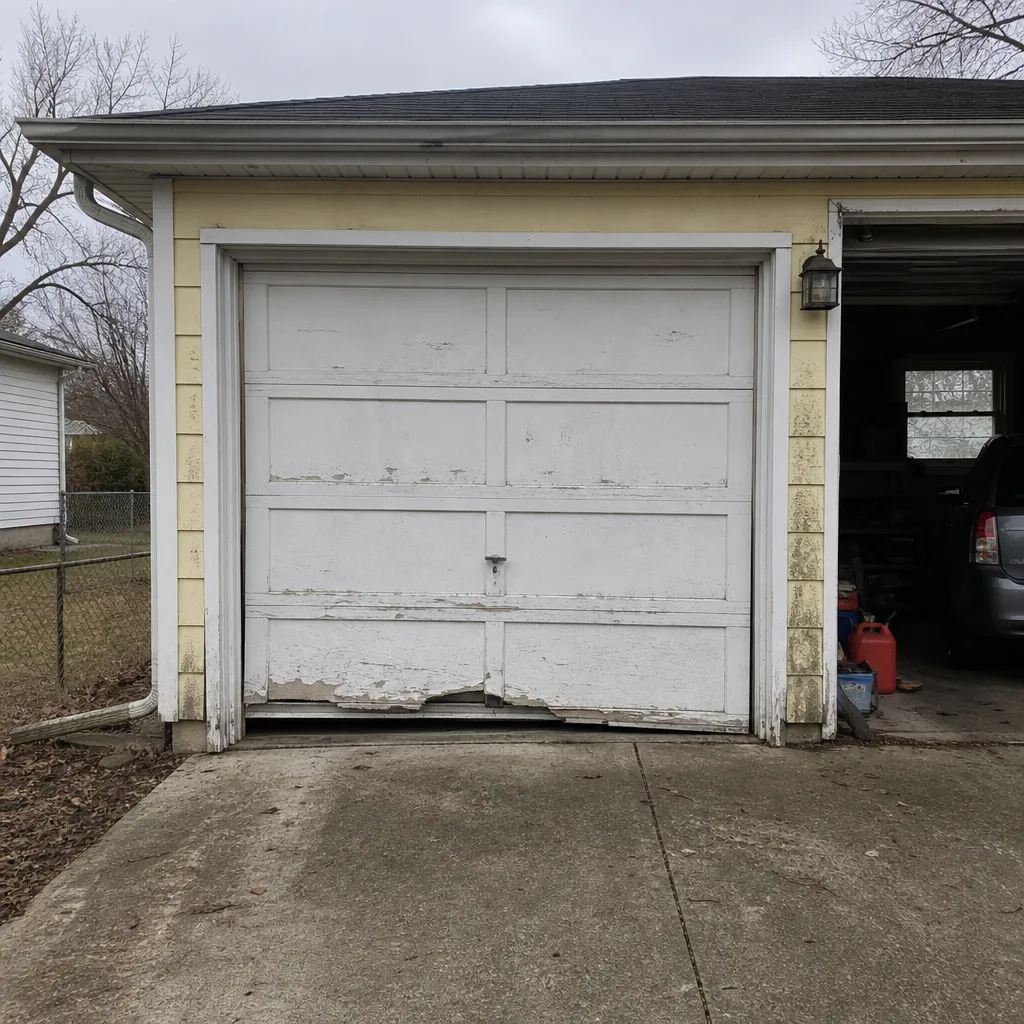
See the difference
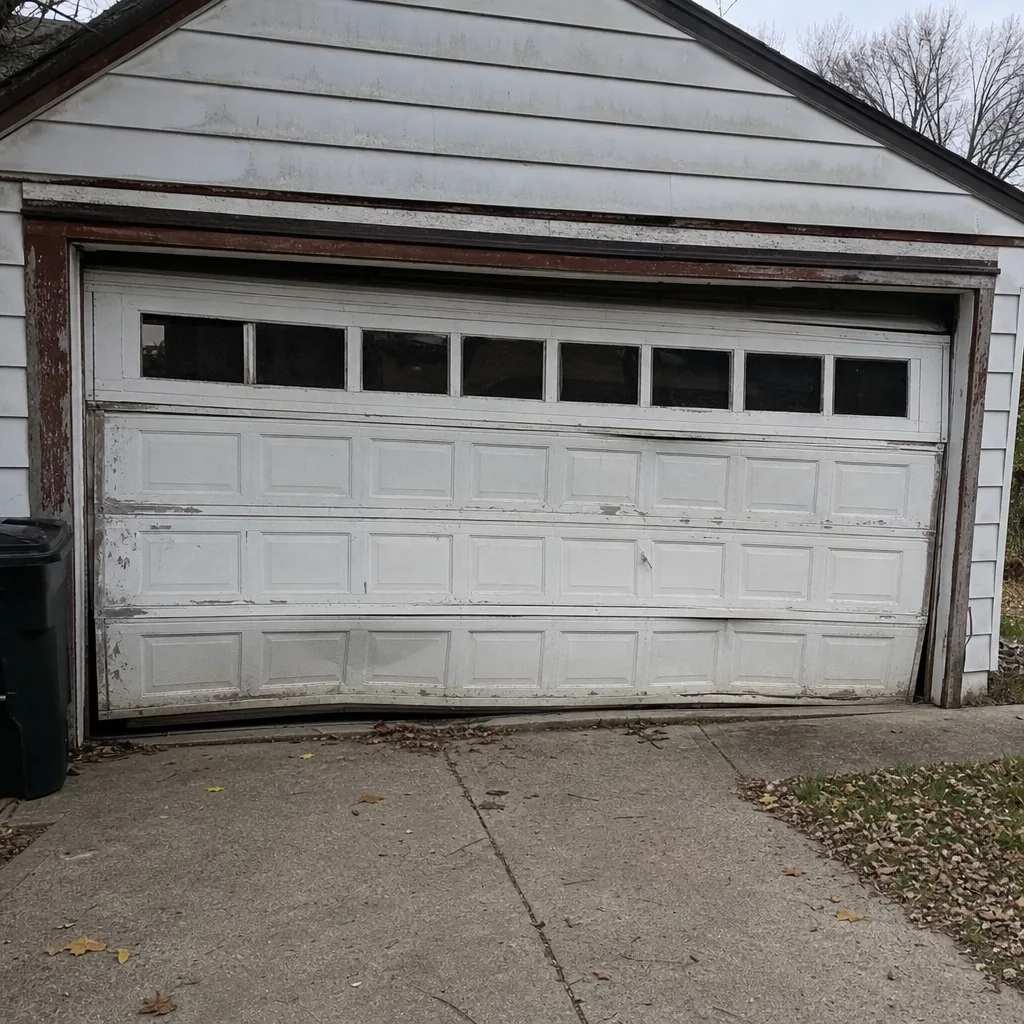 Before
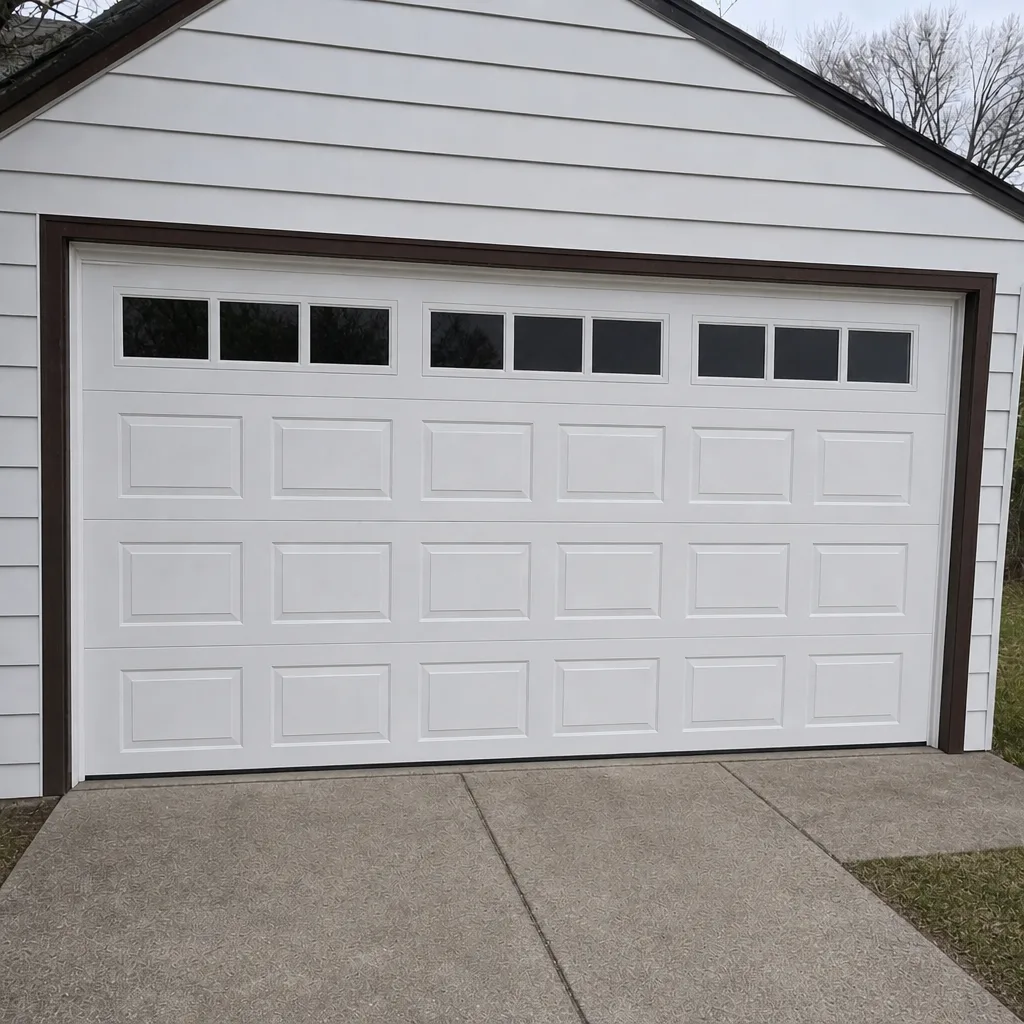 After
 Before
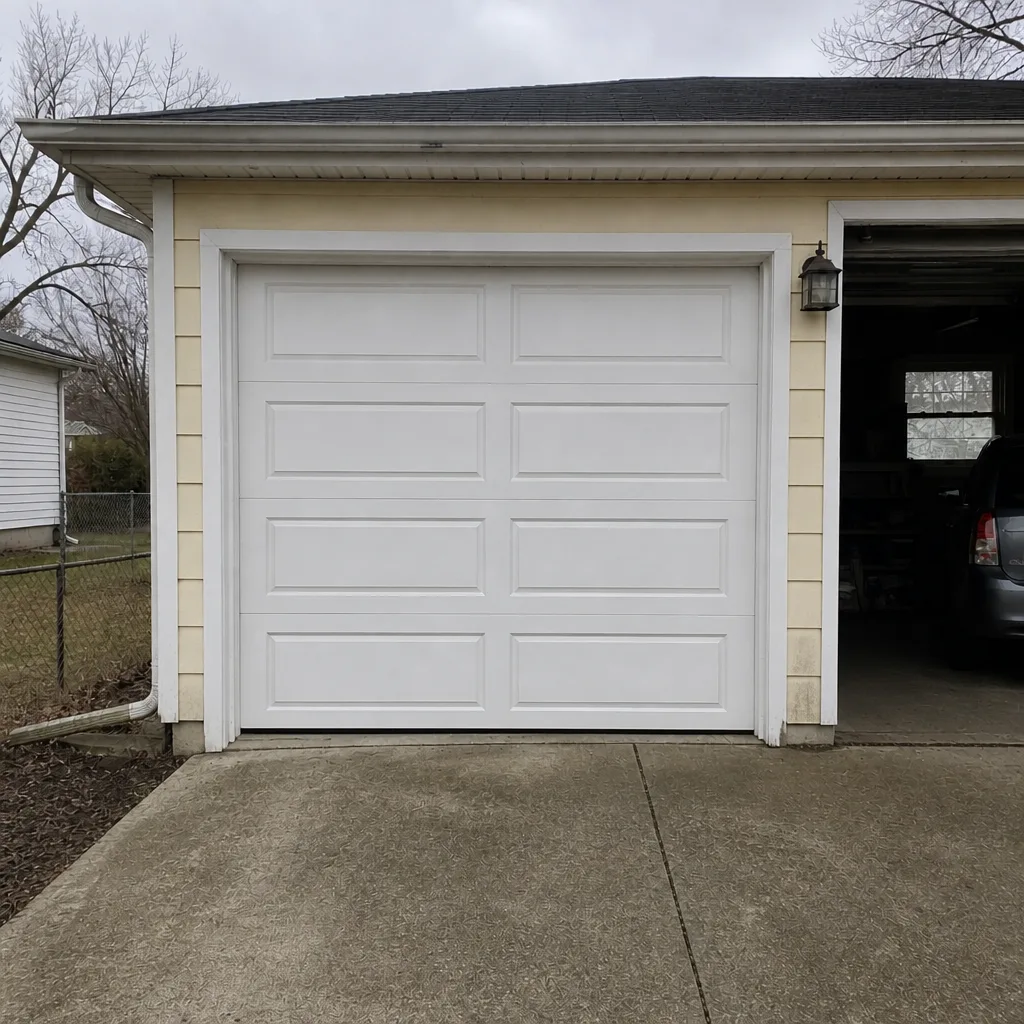 After
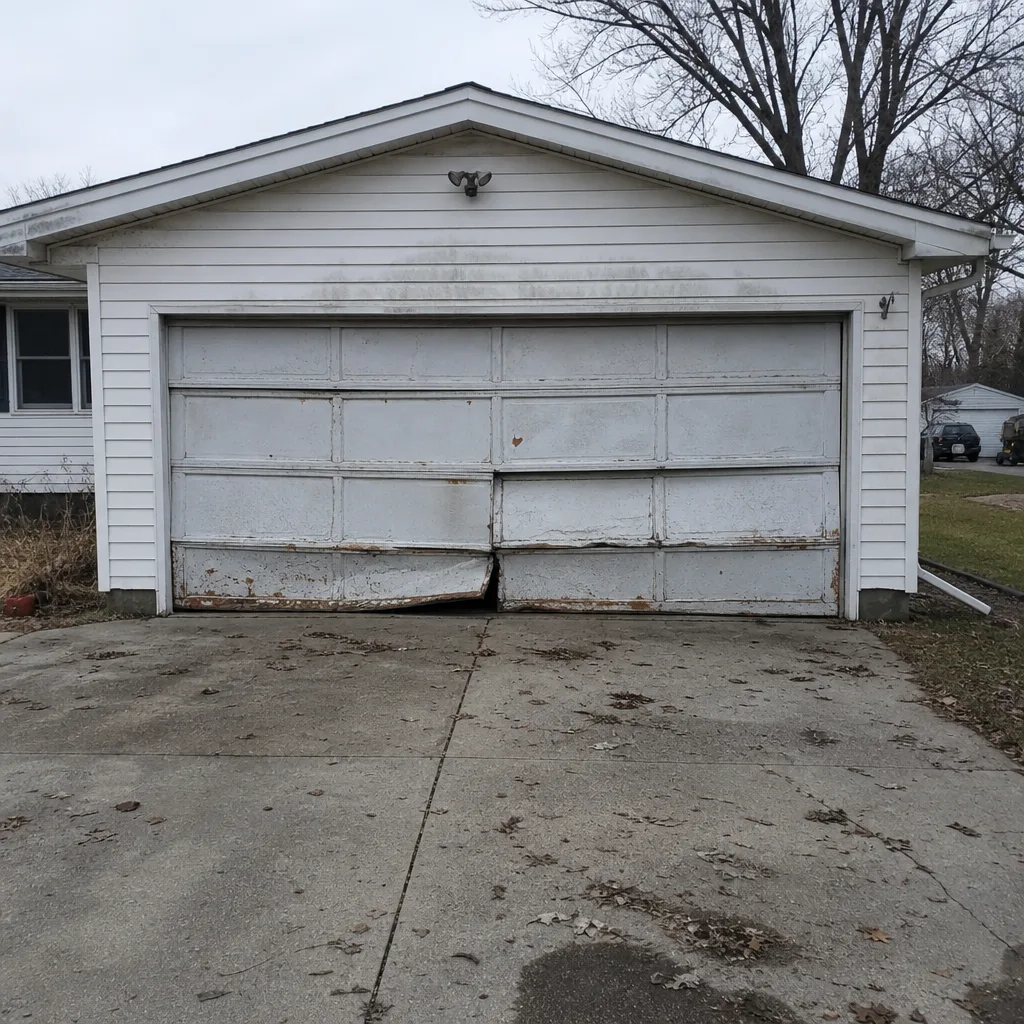 Before
 After
When to Call a Professional
Some decisions are worth making with an expert in the room, and garage door selection and service top the list. Call a professional when a door is unbalanced, when a spring breaks or the door won’t lift, when an opener strains or reverses on its own, when the door is off its track, or when you’re planning a new door and need the opening measured, the weight class matched to an opener, and the warranty explained before you commit. High-tension torsion springs and cables are genuinely dangerous components – a trained technician handles them, and no homeowner should try to release or adjust a wound spring. The same caution applies to opener wiring and any powered system. If you’re comparing brands and want a straight answer on what will hold up in Tremont, Garage Door Repair Tremont offers free estimates in Tremont – call (855) 337-1175. A written measure and price come before any work starts, and the final cost is agreed in writing.
Frequently Asked Questions
These are the questions Tremont homeowners ask us most often when they’re comparing door and opener brands. The answers come from the trade, not the brochure.
- Which brand has the best parts availability in the Bronx and NYC metro area?
- What steel gauge should I look for?
- Can my opener lift an insulated door?
- Is a higher R-value worth it?
- What does a lifetime warranty actually cover?
- Can I mix brands between door and opener?
Brands sold through dealer and distribution networks generally have better local parts pipelines than retail-only brands, so the door your technician can source parts for fastest is usually the better choice. In the Bronx and wider New York metro, distribution is strong for the major manufacturer brands, but it only helps if the local trade services that door. Before you buy, ask which brands a Tremont technician stocks parts for – the answer is more useful than any national reputation. Call (855) 337-1175 for a straight opinion on your shortlist.
Aim for thicker steel – a 24-gauge door generally holds up better than a 27-gauge one, and thicker panels resist denting and freeze-thaw flexing. Across the major manufacturers residential steel doors typically fall in the 24- to 27-gauge range depending on the model line. Ask for the gauge in writing on every model you compare and favor thicker steel over cosmetic upgrades at the same price. Call (855) 337-1175 for help reading spec sheets before you order.
Maybe not – insulation adds weight, so a heavier door usually needs a stronger opener and a matched spring system. Underpowered openers strain and fail early. Check the door’s weight class against your opener’s rating, and confirm the door’s hardware is standard rather than proprietary before you commit. Call (855) 337-1175 and we’ll help you match the opener to the door.
It depends on your garage. If the garage is attached to living space and heated, a well-sealed insulated door earns its keep and a higher R-value is worth considering. If the garage is detached and unheated, the thermal benefit is limited unless the whole structure is insulated, so spend on steel gauge and hardware first. Call (855) 337-1175 for an honest read on your situation.
Usually not everything – warranties are broken into separate coverage for sections, hardware, springs, and finish, and each has its own terms. Springs are the most restricted item because they’re a wear component. Coverage is often limited to the original purchaser and original professional installation, and it commonly excludes dents and wear. Ask three things in writing: what each component covers, whether springs are covered and for how long, and whether the warranty transfers. Call (855) 337-1175 to talk through the fine print.
Yes – most standard residential doors work with common openers, and that flexibility is exactly why standard hardware matters. The trap is a door with proprietary brackets that limit your opener choices. Standard-hardware doors from the major brands pair readily with LiftMaster, Chamberlain, and Craftsman smart openers. Confirm the hardware is standard before you order, then call (855) 337-1175 with any compatibility questions.
The Bottom Line
Choosing a garage door brand is an engineering decision, not a marketing one. The right door for a Tremont home is one a local technician can service quickly, built with steel thick enough for our freeze-thaw winters, matched to an opener with the power to lift it, and backed by a warranty you understand component by component. Brand recognition should be the last question, not the first. Favor gauge over gloss, verify parts availability in the metro, and get every specification – gauge, insulation, hardware, opener match – in writing before you order. A door that opens the first time, every time, is the goal, and it comes from matching the right parts, not the loudest label.
Get a Free Written Estimate for Your Garage Door
If you’re weighing brands and want a straight, technical answer, we’re a full-service specialist that works on your brand – from a snapped spring to a brand-new door, from classic openers to smart Wi-Fi systems. We work on equipment from LiftMaster, Chamberlain, Genie, Clopay, Amarr, Wayne Dalton, Craftsman, and Raynor, so you won’t get told “we don’t work on that.” Our technicians have up to 12 years of experience and find the actual cause, not just the symptom. Emergency service is available when a door won’t close at night or won’t open before work. Call (855) 337-1175 for a free estimate – the price is quoted and agreed in writing before any work starts. Estimates are free, and one call resolves your garage door question. Visit Garage Door Repair Tremont to get started.
Written by the team at Garage Door Repair Tremont.