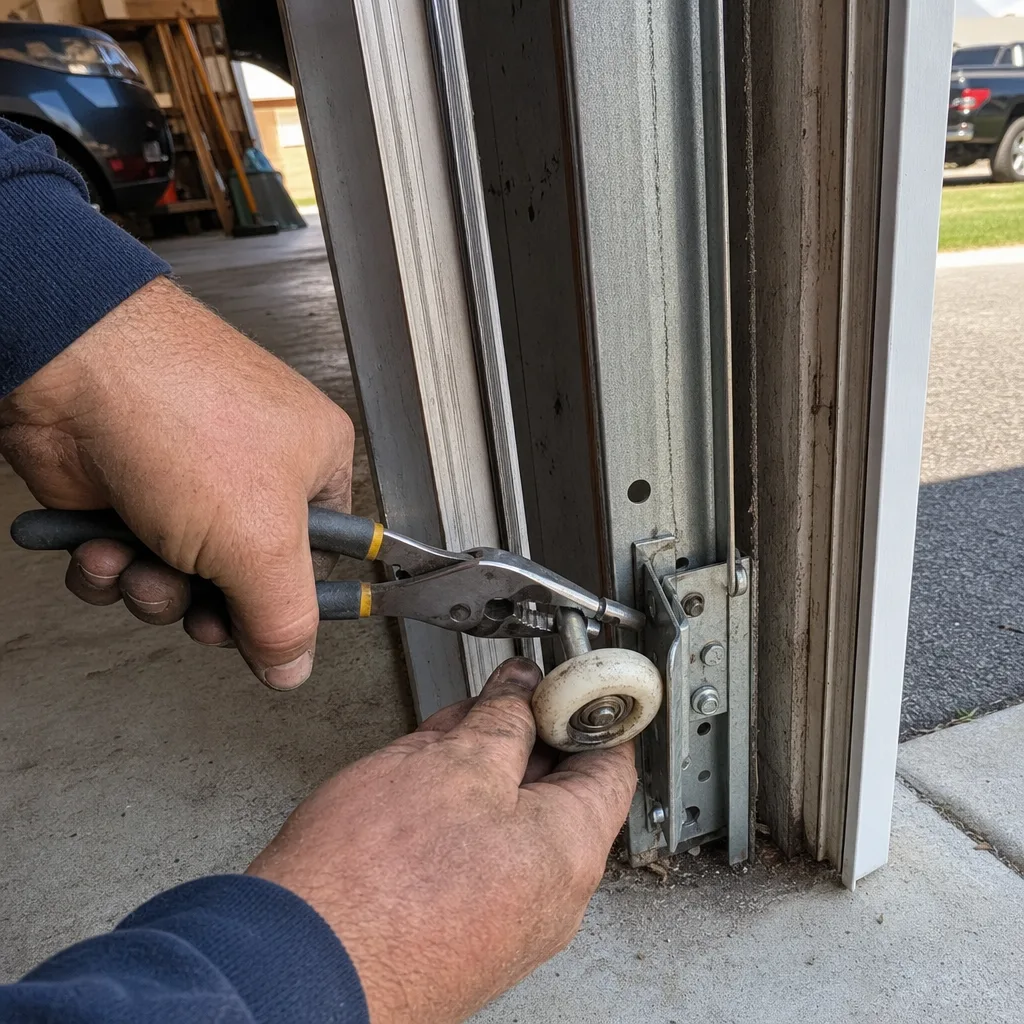
Last updated November 21, 2026
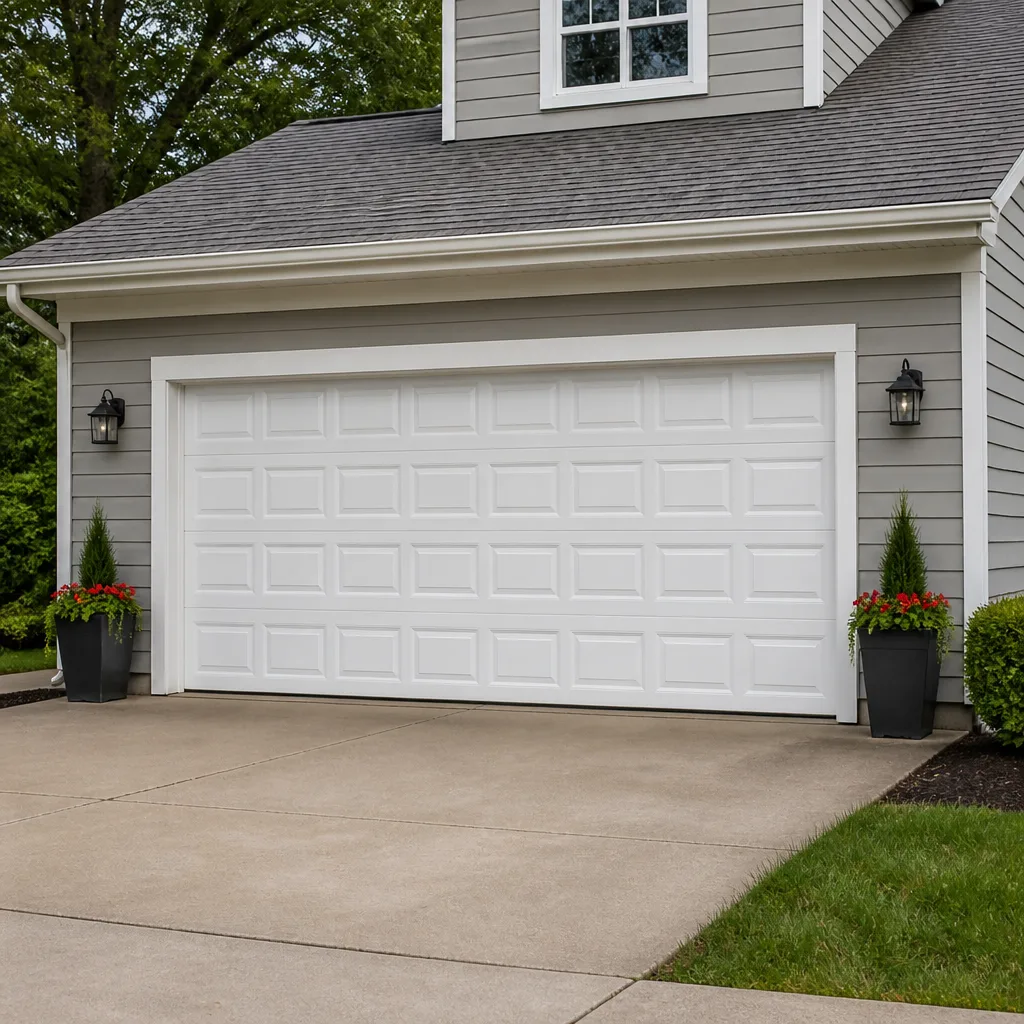 Raised-panel steel
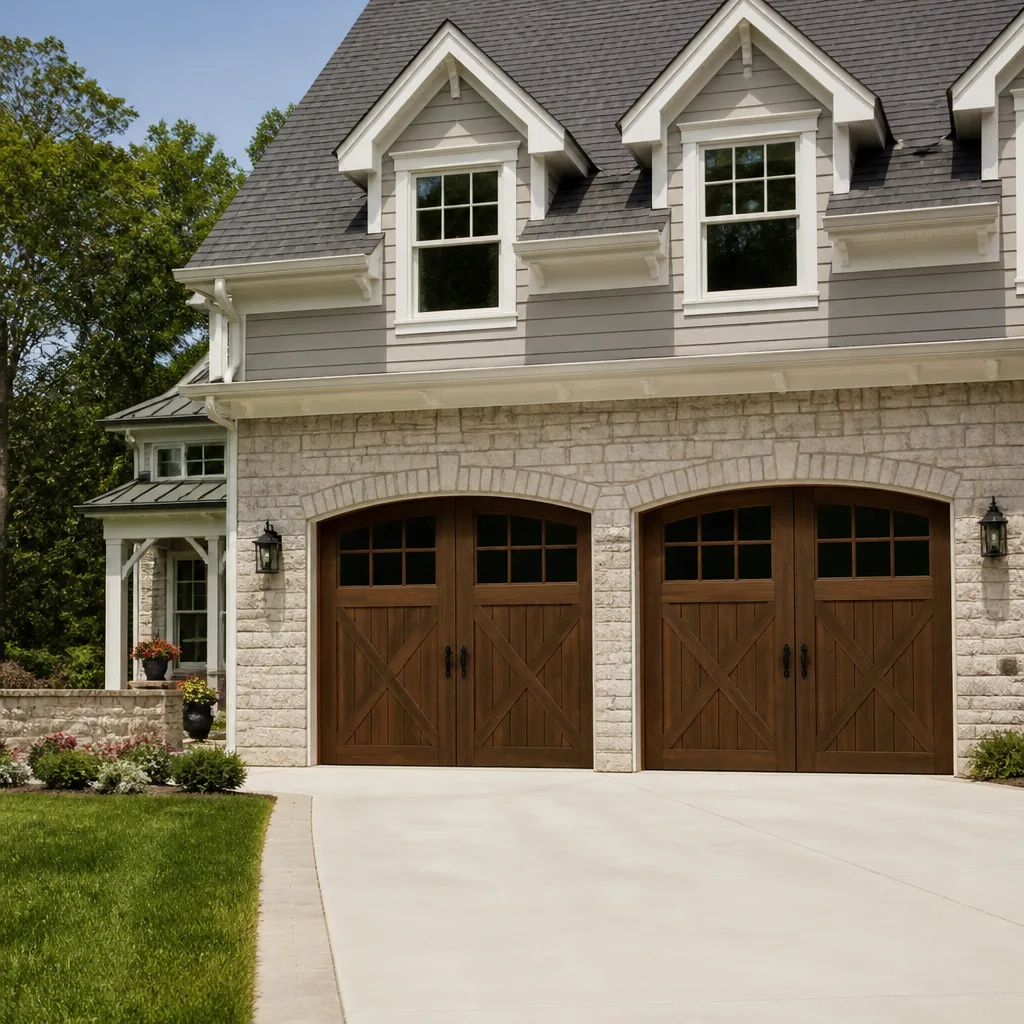 Carriage house
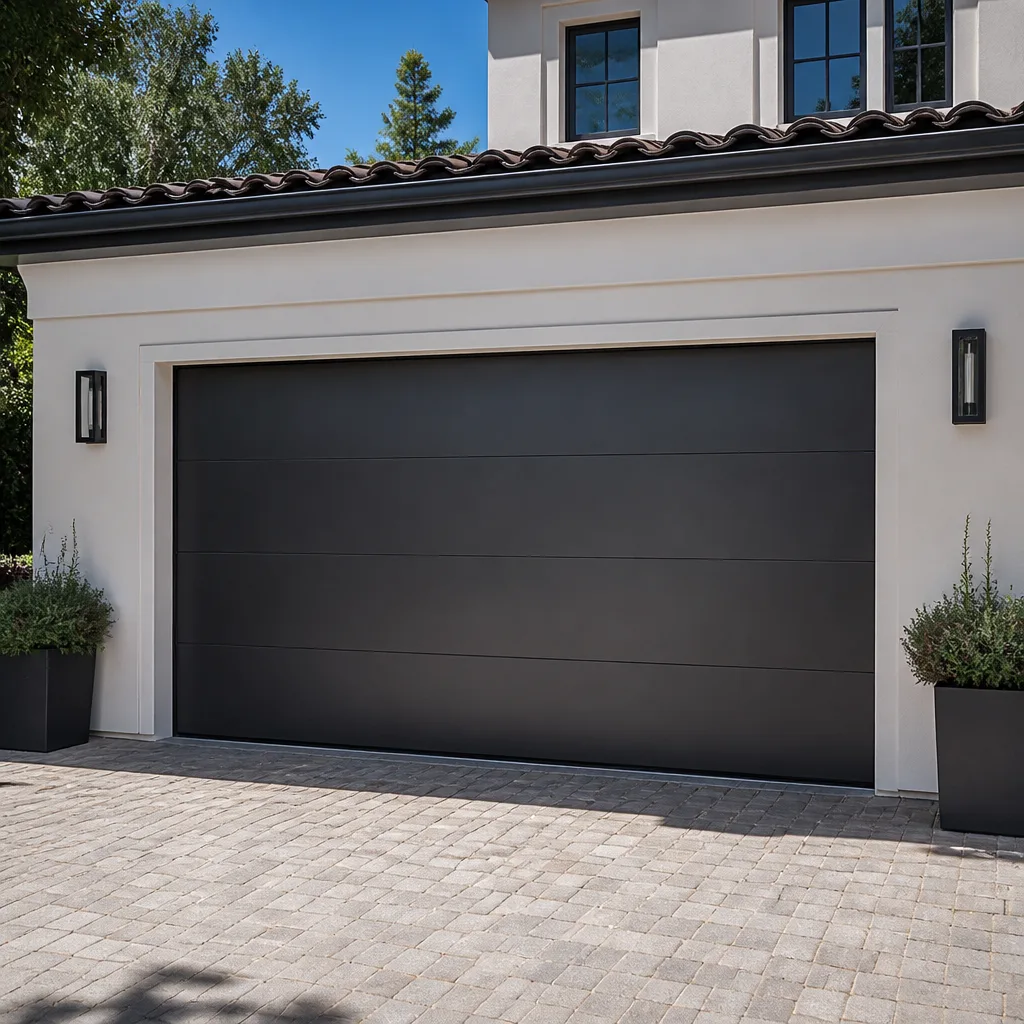 Modern flush
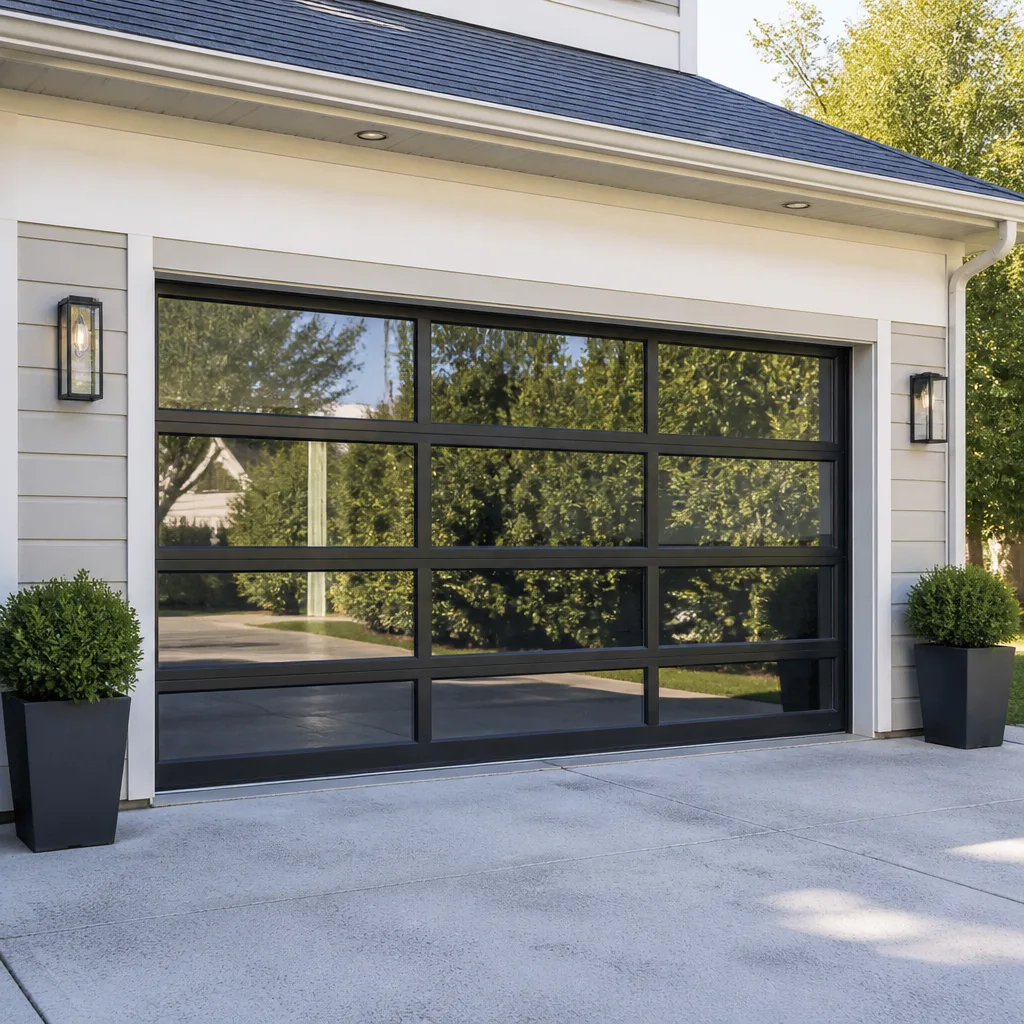 Full-view glass
 LiftMaster openers
 Chamberlain openers
Full 25-point door and opener safety check with every visit - springs, cables, rollers, tracks, and your LiftMaster or Chamberlain opener included
You get a price before we start. It does not change when the pro arrives.
Get your free estimateGarage Door Permits, Codes & Inspections in Tremont, NY: What You Need to Know
Most Tremont homeowners assume a garage door is like a fence or a shed: private property, no paperwork, no oversight. That assumption is where trouble starts. A garage door is one of the few moving assemblies on a house that can weigh several hundred pounds, run on high-tension springs, and, in many Bronx homes, sit inside a fire-rated wall that separates living space from where a car and its fuel are parked. Those three facts are what pull a door replacement into the reach of New York City’s building code. This guide walks through when a permit is actually required in Tremont, how fire-rated assemblies get documented, what a city inspector looks for, and why an unpermitted swap can put an insurance claim at risk.
Quick Answer
In Tremont, NY, you generally need a permit when a garage door project changes the structural opening or header, replaces a door that is part of a required fire-rated assembly, or installs new electrical work for a garage door opener. A straight like-for-like door swap in an ordinary non-fire-rated opening often does not trigger a permit, but the only person who can confirm that for your address is your local building department. Ask before you order, not after.
Styles & brands we work with
- Raised-panel steel
- Carriage house
- Modern flush
- Full-view glass
- LiftMaster openers
- Chamberlain openers
Table of Contents
- What Triggers a Garage Door Permit in Tremont?
- Fire-Rated Garage Doors: The Trigger Most Homeowners Miss
- How to Tell If Your Existing Door Is a Fire-Rated Assembly
- Openers, Electrical Work, and the Permit Threshold
- The Inspection: What a NYC DOB Inspector Actually Checks
- Insurance: What Unpermitted Work Can Do to a Claim
- How a Qualified Contractor Handles the Paperwork for You
- Common Mistakes to Avoid
What Triggers a Garage Door Permit in Tremont?
A garage door permit in Tremont comes down to what the work touches. If you’re trading one door panel for another in the same track, at the same weight, in the same opening, that’s a maintenance swap. If the job changes the size of the opening, alters the header or framing above the door, or adds or relocates a motorized opener circuit, the project starts leaning toward permitted work. The building department makes the final call, so the practical move is to describe your project to them in plain terms and get an answer in writing.
Tremont’s housing stock complicates this. Many of the detached and semi-detached homes in the neighborhood have garages that were added or converted decades after the house was built, sometimes with framed openings that don’t show up clean on an older certificate of occupancy. If the paperwork doesn’t match what’s standing, a door replacement can open questions about the opening itself, not just the door.
Here’s the short list of triggers that most often pull a Tremont garage door job into the permit process:
- Structural change: widening or narrowing the opening, replacing or modifying the header, or altering the framing that carries the door’s weight.
- Fire-rated assembly: replacing or altering a door that serves as a required separation between the garage and the house.
- New or relocated electrical: adding an opener circuit, moving an outlet into the ceiling, or running new wiring for a Wi-Fi-enabled garage door opener repair or replacement.
- Change of door type or weight class: going from a light manual door to a heavier sectional door changes the load on the opening and the springs.
- Bringing older work into compliance: correcting a previous installation that was never signed off.
The cost side is simpler than the paperwork side. A straightforward door replacement in Tremont typically runs in the low four figures for a standard single door, more for a double or a custom size, and the written estimate you receive sets the final price. Permits, when they apply, are usually handled as a line item on that estimate rather than left for you to chase. We work on doors from brands like Clopay, Amarr, and Raynor, and how each one documents its fire ratings is part of what we check before a garage door installation is scheduled.
Fire-Rated Garage Doors: The Trigger Most Homeowners Miss
This is where the whole guide earns its keep. In many homes, the wall between the garage and the living space is treated as a fire separation. That separation isn’t just drywall, it’s the entire assembly: the wall, the door, the frame, the hardware, and the seals. Swap the door for a lighter, cheaper, non-rated model and the assembly no longer performs the way the code assumed, even though the wall behind it is untouched. That gap is invisible on a visual walk-through and it matters enormously after a fire.
In Tremont, where lots are tight and garages often share a wall or a roofline with the house, the separation between garage and living space is the thing that buys time for everyone inside. A rated door isn’t a premium upgrade; it’s the component that closes the hole in the wall. Replacing a rated door with a non-rated one isn’t a code violation in the abstract. It’s a hole where a barrier used to be.
Doors that commonly fall into this category carry a label from the manufacturer stating the assembly’s rating. That’s the document that matters. When we quote a replacement on a fire-rated opening, the conversation is about matching the rating, not just the look and the size. Brands build to these specs, and the label travels with the door, which is why we photograph it, save it, and hand it to the homeowner.
If your garage is attached, shares a wall with the house, sits under a living space, or separates from a hallway or bedroom, assume a rated assembly until proven otherwise. Confirm it with your local building department before you order a door, and don’t let a salesperson tell you the rating “doesn’t matter on a garage door.” It does.
How to Tell If Your Existing Door Is a Fire-Rated Assembly
You can often find out without a permit search. Start with the door itself and work backward through the paperwork. Here’s the order we recommend to homeowners in Tremont trying to pin down what they currently have:
- Look for a label on the door or frame. Many rated doors and frames carry a permanent label or plate from the manufacturer naming the assembly and its rating. Check the inside face of the door, the jamb, and the header. Photograph it before anything is removed.
- Check the door’s original spec or model number. A model number stamped or tagged on the door can be traced through the manufacturer. Clopay, Amarr, and Raynor all publish which of their models meet which assemblies.
- Read the certificate of occupancy. If the garage was part of the original design or an approved later addition, the CO may describe the separation requirement. A mismatch between the CO and what’s standing is a flag.
- Look at what’s built around the door. A rated opening almost always has a rated frame, rated hinges, and threshold or seal details to match. If the framing looks like ordinary lumber and the seals are missing, the assembly may already have been altered.
- Ask the building department. Bring the address, the door model, and any photos. A short phone call or counter visit to the local building department settles it faster than a guess.
What you should not do is assume “the last guy put in a regular door, so it must be fine.” In older Tremont homes we’ve seen openings where a door was replaced years ago, the rating was dropped, and nobody noticed until a sale or an insurance review surfaced it. If you’re unsure, photograph everything and get a professional opinion before you remove a single panel.
Openers, Electrical Work, and the Permit Threshold
Opener work is where a lot of Tremont homeowners get caught, because the door itself didn’t change and the project feels like “an appliance install.” A garage door opener isn’t an appliance. It’s a motorized device bolted to structure, wired to a circuit, and tied to a safety reversing system that has to function. New wiring for an opener, a new dedicated circuit, or relocated electrical work for a smart opener is electrical work, and electrical work has its own permit threshold in most jurisdictions.
Replacing an existing opener with a same-voltage, same-mount unit, using the existing outlet and existing wiring, is a different case. That’s usually a service call, not a permit project. The line sits between using the circuit that’s already there and creating a new one.
We work on both classic and smart openers, including LiftMaster and Chamberlain, and the smart side is where the electrical questions show up most. Homeowners want the app-connected unit, the camera, the battery backup, the Wi-Fi module. Each of those adds a small piece of load and a small piece of wiring. If any of it needs a new run to the panel, that’s the point where you call your building department before the technician starts.
If you’re only repairing an existing opener, the permit question usually doesn’t arise. A dead remote, a misaligned safety sensor, a stripped gear, a failed logic board on a Genie or Chamberlain unit: these are repair calls, not construction. That work is scheduled and priced per job by estimate, and you’ll know the number before the technician starts. Same-day service is often possible on these repairs, and we can also help with emergency situations where the door simply won’t move.
The Inspection: What a NYC DOB Inspector Actually Checks
A New York City Department of Buildings inspection on a garage door installation is not a rubber stamp. The inspector is verifying that the installed work matches what was permitted, that the assembly performs as designed, and that the door operates safely under its own power. If the permit was pulled for a rated assembly, the inspection is partly a document check and partly a physical test, and both have to line up.
Here’s what typically gets checked during the inspection visit:
- Permit and approved plans. The inspector wants to see the permit displayed and the plans on site. The door, opener, and any framing should match what was drawn.
- Door label and rating documentation. For a fire-rated assembly, the permanent label on the door or frame plus the manufacturer’s specification sheet proving the assembly meets the required rating.
- Mounting and anchoring. Track, brackets, and spring anchor plates anchored into the correct structural members, not into unsupported drywall.
- Spring and cable condition. Correct springs for the door’s weight, cables seated in the drums, no missing or modified safety components.
- Opener installation and safety reverse. The opener’s physical mount, its connections, and a live test of the safety reversing system.
- Clearances and separation details. Gaps, thresholds, and seals that form part of the assembly or the prescribed separation from the living space.
- Electrical connection. The circuit, box, and connection method for the opener, where new electrical was part of the scope.
The single biggest cause of a failed inspection is missing documentation for a rated door. The label comes off during removal and gets thrown out with the packaging, and now the assembly can’t be proven on inspection day. The second biggest is a mismatch between what was permitted and what got installed, often because a homeowner changed the door model after the permit was filed. Both are avoidable with one good habit: keep every label, every spec sheet, and every signed document in one folder, and verify the model on the door against the model on the permit before the inspector arrives.
Insurance: What Unpermitted Work Can Do to a Claim
Homeowners insurance policies are built around a simple premise: the insured property is what the policy says it is, and changes to the structure that increase risk or violate code are disclosed. When a garage door is replaced without a permit that was legally required, and the work affects a fire separation or other protected assembly, the insurer has grounds to question the claim. Not every policy reads the same way, and the language that matters is in the sections on alterations, building code compliance, and conditions of coverage. But the pattern is consistent: undisclosed, non-permitted modifications that contribute to a loss can turn a covered event into a disputed one.
The practical translation for Tremont homeowners is this. If there’s a fire in the garage and the door in that opening turns out to be a non-rated door in a rated assembly, the loss investigation will surface it. The insurer is going to ask for the permit, the inspection, and the door’s documentation. If those don’t exist because they were never obtained, the homeowner is left explaining why the assembly that was supposed to slow the fire wasn’t there.
The remedy is boring and effective. Keep the permit, the inspection sign-off, the door label, the manufacturer’s spec sheet, and the installer’s final invoice in the same file. Hand a copy to your insurer when the work is done so the property record reflects what’s actually installed. That file is your proof of a properly completed job, and it’s the thing that keeps a claim decision focused on the loss instead of on the paperwork.
How a Qualified Contractor Handles the Paperwork for You
A qualified garage door contractor in Tremont should treat the permit process as part of the job, not an obstacle the homeowner has to solve alone. In practice, this means a few concrete steps before, during, and after the work. Ask any contractor you’re considering to walk you through each one before you sign.
Before the work: the contractor reviews your opening with you, photographs the existing door, confirms whether a rated assembly is present, and tells you plainly whether a permit is required for your scope. If a permit is needed, they file it, pay for it, and put it on the schedule. You should know the permit number and see the filed documents before materials arrive.
During the work: the label on the door and the label on the frame stay with the job. The contractor photographs them and saves them for the file. If the door model changes mid-project, the permit gets amended first, not after the inspection fails.
After the work: you should receive a closing package. Ask for the signed permit, the inspection sign-off, the door label photograph, the manufacturer’s spec sheet, the warranty documents, and a final invoice that matches the written estimate. That’s the file you hand your insurer, and it’s the one you’ll want if you ever sell the home.
We handle this as a matter of course on any Tremont installation where the paperwork applies, and we’ll tell you up front what’s likely to be required so there are no surprises later. Our technicians have up to 12 years of experience, and the permit process is one of the places where that experience shows: knowing what the local building department will ask for before the job starts saves everyone a return visit. If you’re not sure whether your project crosses the line, the free estimate is where you find out. Call (855) 337-1175 and we’ll walk the opening with you.
Common Mistakes to Avoid
- Skipping the permit because “it’s just a door swap.” A like-for-like replacement in a non-rated opening often doesn’t need a permit, but a rated assembly or a structural change does. Ask the building department before you assume.
- Throwing away the door label. The label is the proof of a rated assembly. Once it’s in the trash, you can’t get it back, and inspections and insurance reviews both depend on it.
- Not telling the contractor the opening is attached to the house. In Tremont’s tight lots, an attached or under-living-space garage changes the code calculus. Describe the geometry clearly when you request an estimate.
- Changing the door model after the permit is filed. The permit is for specific work. A mid-project model change means an amended permit, or a failed inspection.
- Assuming the last installer’s work was permitted. If you bought the house with a door already installed, don’t assume the paperwork is clean. Check the certificate of occupancy and inspect the labels before you replace what’s there.
- Treating the permit as a contractor’s problem only. The owner of record bears the consequences of unpermitted work. Keep your own copy of every document, no matter what the contractor says they’ll hold onto.
- Letting a generalist tackle a rated assembly. Fire-rated door work requires matching the assembly to the opening, not just the door to the frame. Use a contractor who works on branded systems (LiftMaster, Chamberlain, Genie, Raynor) regularly enough to know what the specs require.
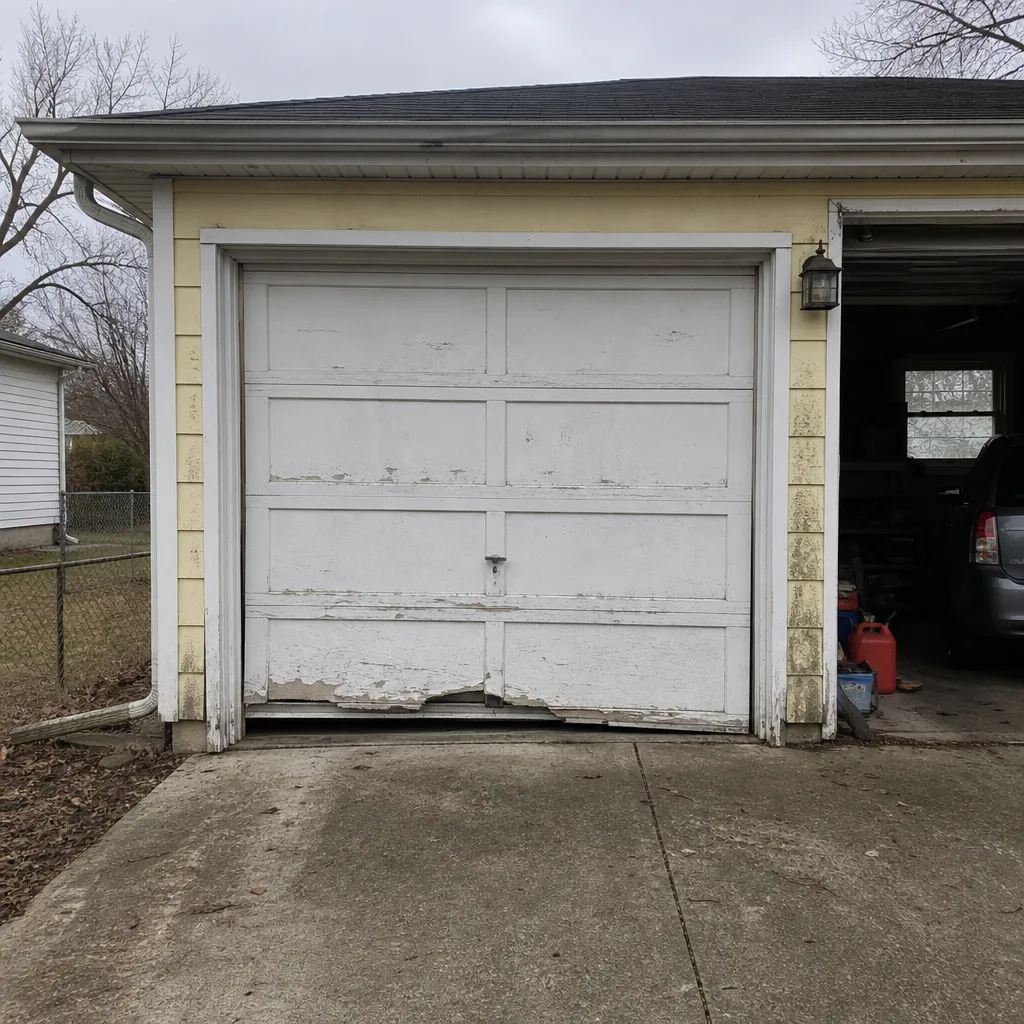
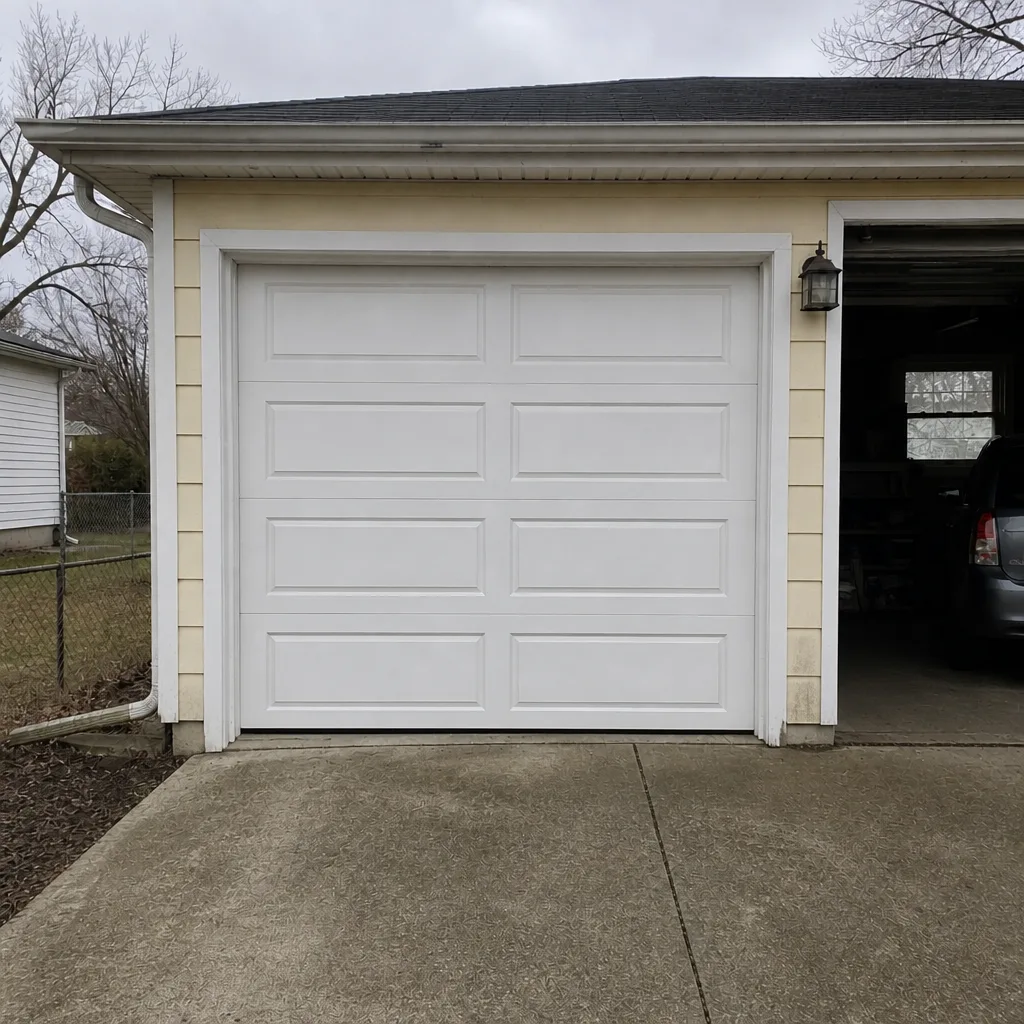
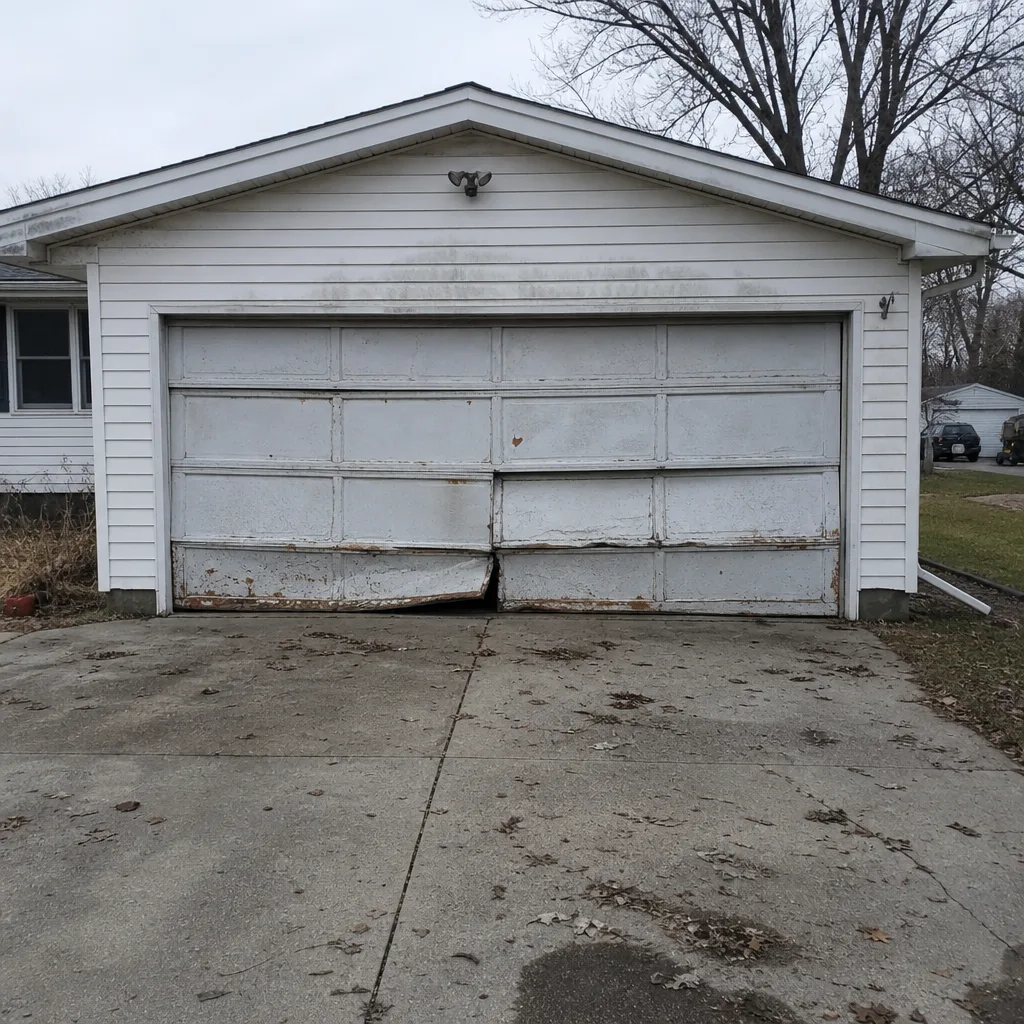
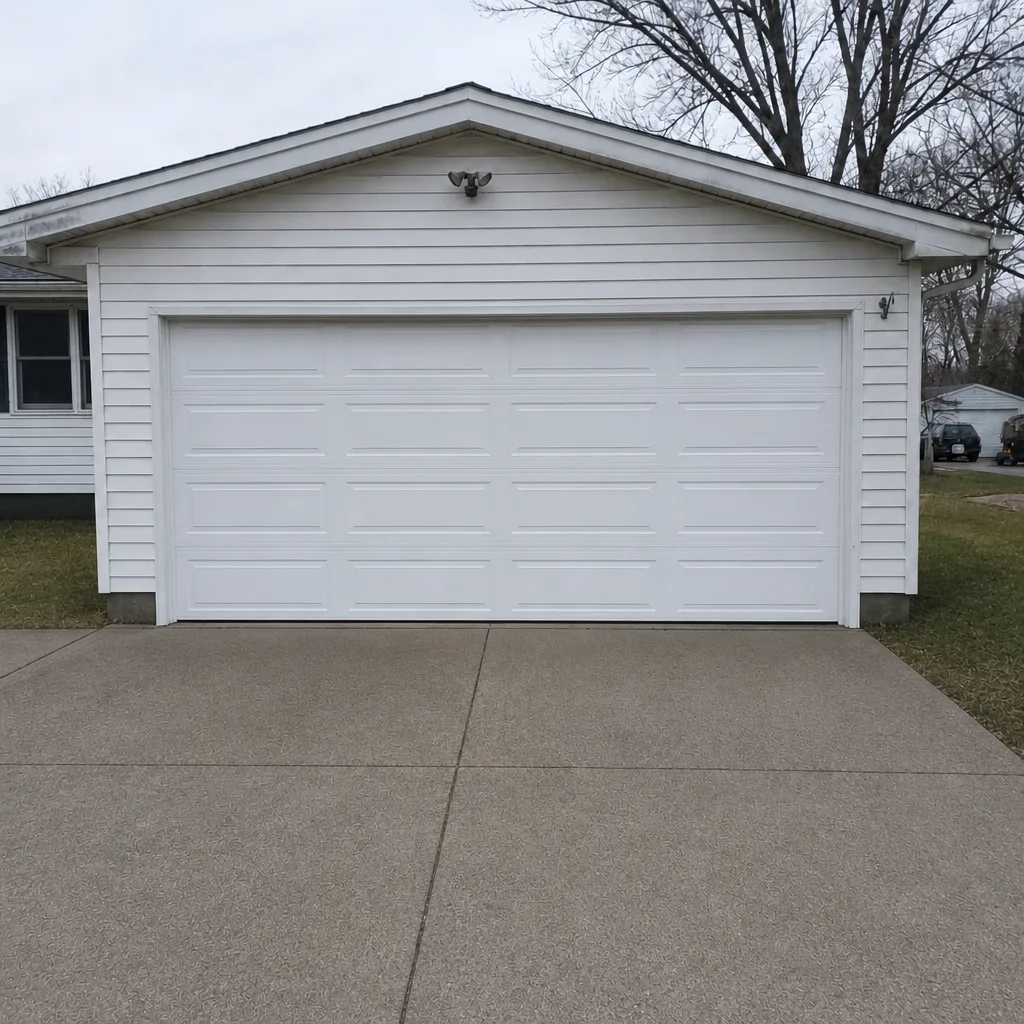
See the difference
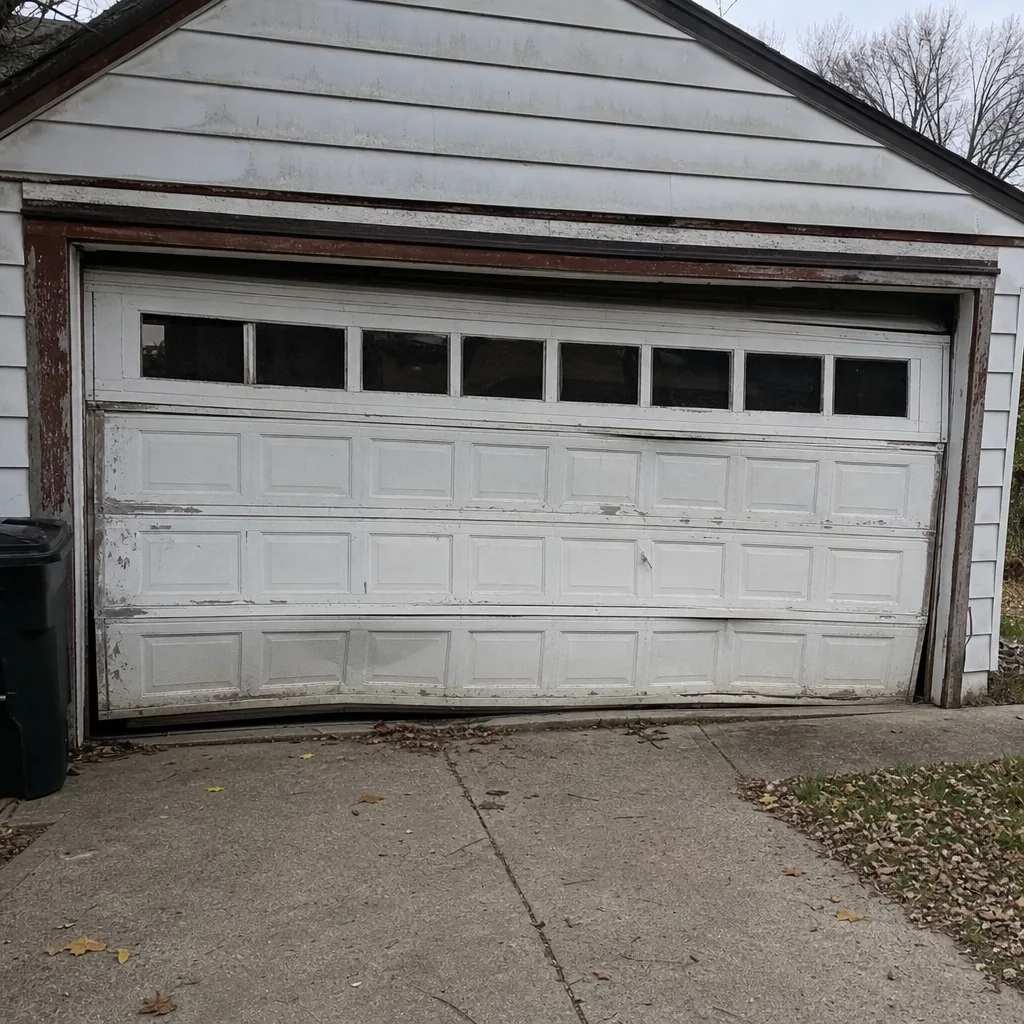 Before
 After
 Before
 After
 Before
 After
When to Call a Professional
Call a professional when the door itself is failing (a snapped spring, a door that won’t close, a cable hanging loose), when the opener is dead and the diagnosis isn’t obvious, or when the project is a replacement in an opening you can’t verify is safe or properly rated. Springs and cables are the dangerous parts: they hold the entire weight of the door, they can cause serious injury when handled without the right tools and technique, and we don’t recommend any homeowner touch them. The same goes for anything involving the opener’s electrical circuit and any framing change to the opening. For a first look at what your Tremont home needs, garage door repair starts with inspection and a written estimate. Garage Door Repair Tremont offers free estimates in Tremont. Call (855) 337-1175 to schedule one, and bring any labels, photos, or paperwork you already have so we can see what we’re working with.
Frequently Asked Questions
Sometimes. A straight like-for-like replacement in a non-fire-rated opening often doesn’t require a permit, but a structural change, a rated assembly, or new opener electrical work usually does. Confirm with your local building department before ordering materials. Call (855) 337-1175 for a free estimate and we’ll help you sort out whether your project is likely to need one.
Look for a permanent manufacturer’s label on the door’s inside face, the jamb, or the header, then trace the model number with the manufacturer or your building department. If there’s no label, the certificate of occupancy and the construction around the door are the next clues. Call (855) 337-1175 for a free estimate and we’ll photograph and document what’s there before any removal.
Replacing an opener with a same-voltage, same-mount unit on the existing circuit usually doesn’t; adding new wiring or a new circuit for the opener usually does. Smart openers from LiftMaster and Chamberlain sometimes need a new run, and that’s the point where you call your building department first. For opener repair on an existing system, call (855) 337-1175 and we’ll diagnose the actual cause.
The inspector verifies that the installed work matches the permit and the approved plans, checks the door label and manufacturer’s documentation for rated assemblies, reviews anchoring and spring condition, and tests the opener’s safety reverse. Missing rated-door paperwork is the most common reason an inspection fails. Call (855) 337-1175 for a free estimate and we’ll walk you through what your file should contain.
It can. Policies are written around the property as described, and non-permitted changes to a fire separation are exactly the kind of thing a loss investigation will surface. Keep the permit, the inspection sign-off, the door label, and the final invoice in one file, and hand a copy to your insurer when the work is done. Call (855) 337-1175 for a free estimate and we’ll help you build that file from the start.
Door replacements typically run in the low four figures for a standard single door, spring repairs and opener repairs are typically in the low-to-mid hundreds depending on the system, and any permit fees are quoted separately. The written estimate we give you sets the final price, and every price is quoted and agreed before any work starts. Call (855) 337-1175 for an exact quote. Estimates are free.
The Bottom Line
Garage door permits in Tremont come down to three questions: Does the job change the structure, does it touch a fire-rated assembly, or does it add new electrical work? If the answer to any of those is yes, involve the building department before the door is ordered. If it’s a straightforward swap in an ordinary opening, you may be able to skip the paperwork, but confirm it in writing. Either way, keep every label, spec sheet, permit, and inspection document in one place, because that’s what your insurer and any future buyer will ask for. For a free estimate on a garage door repair or a full replacement in Tremont, call (855) 337-1175.
Written by the team at Garage Door Repair Tremont.