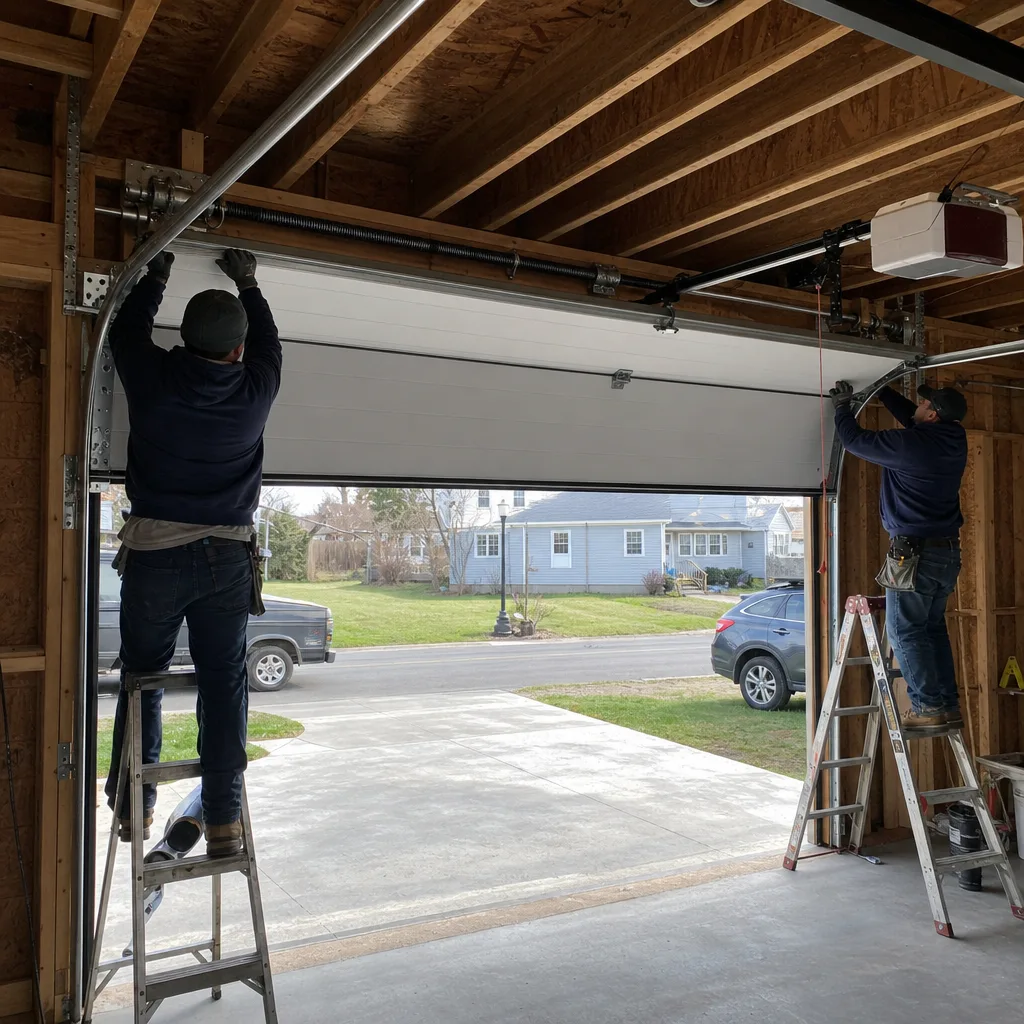
Last updated November 21, 2026
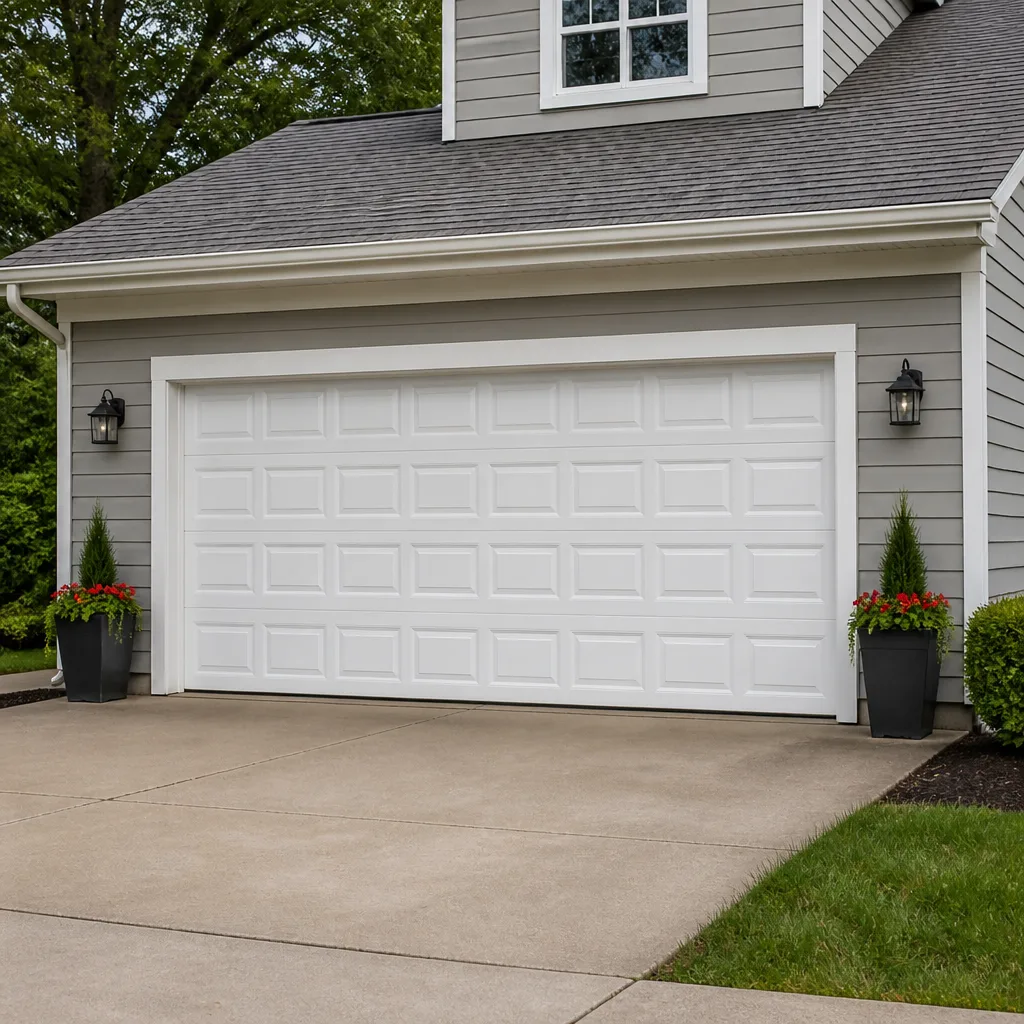 Raised-panel steel
 Carriage house
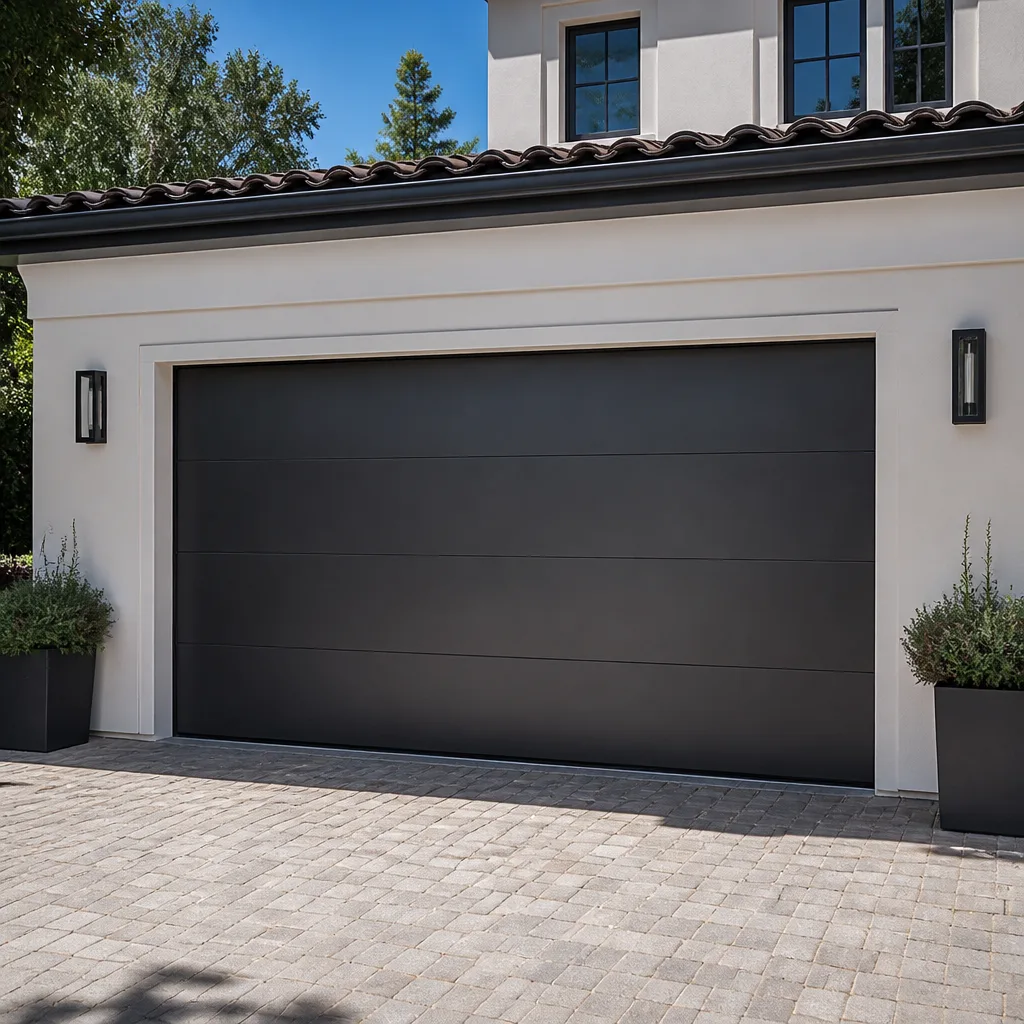 Modern flush
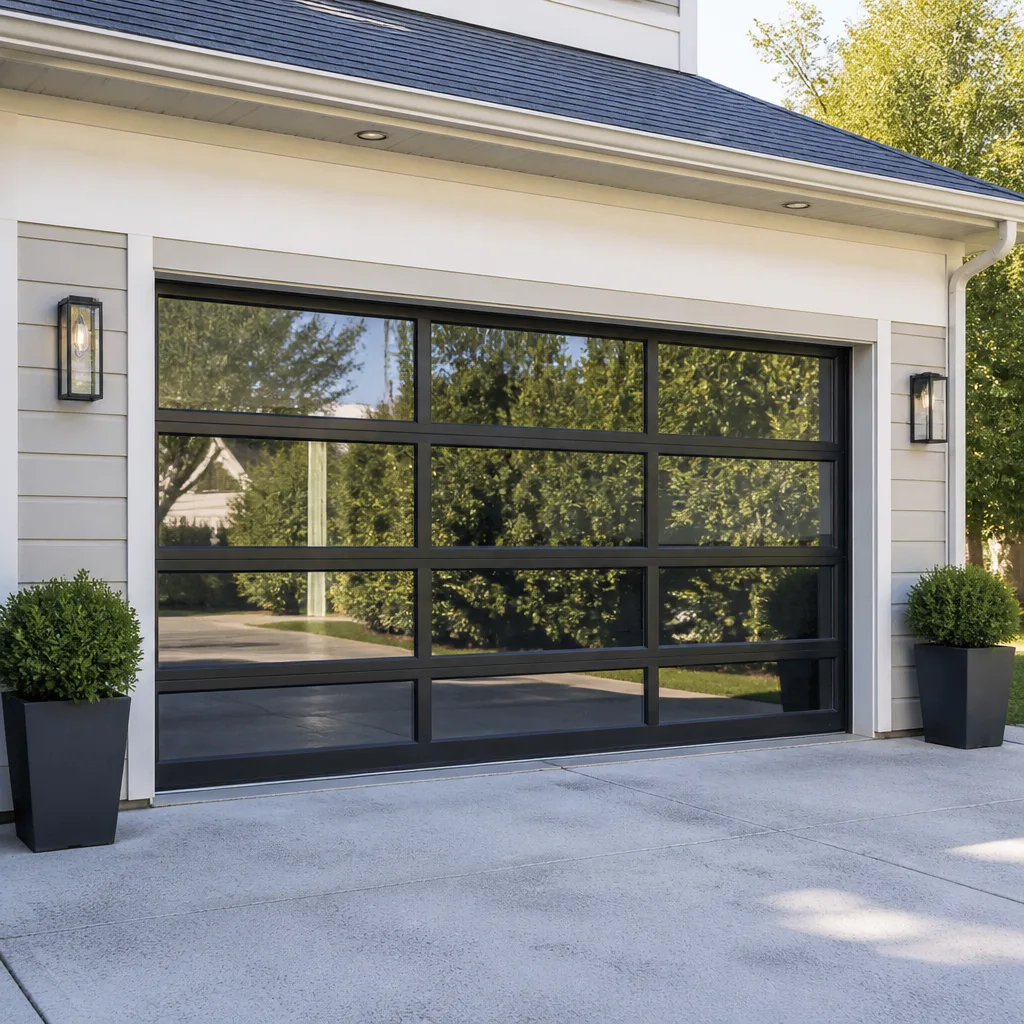 Full-view glass
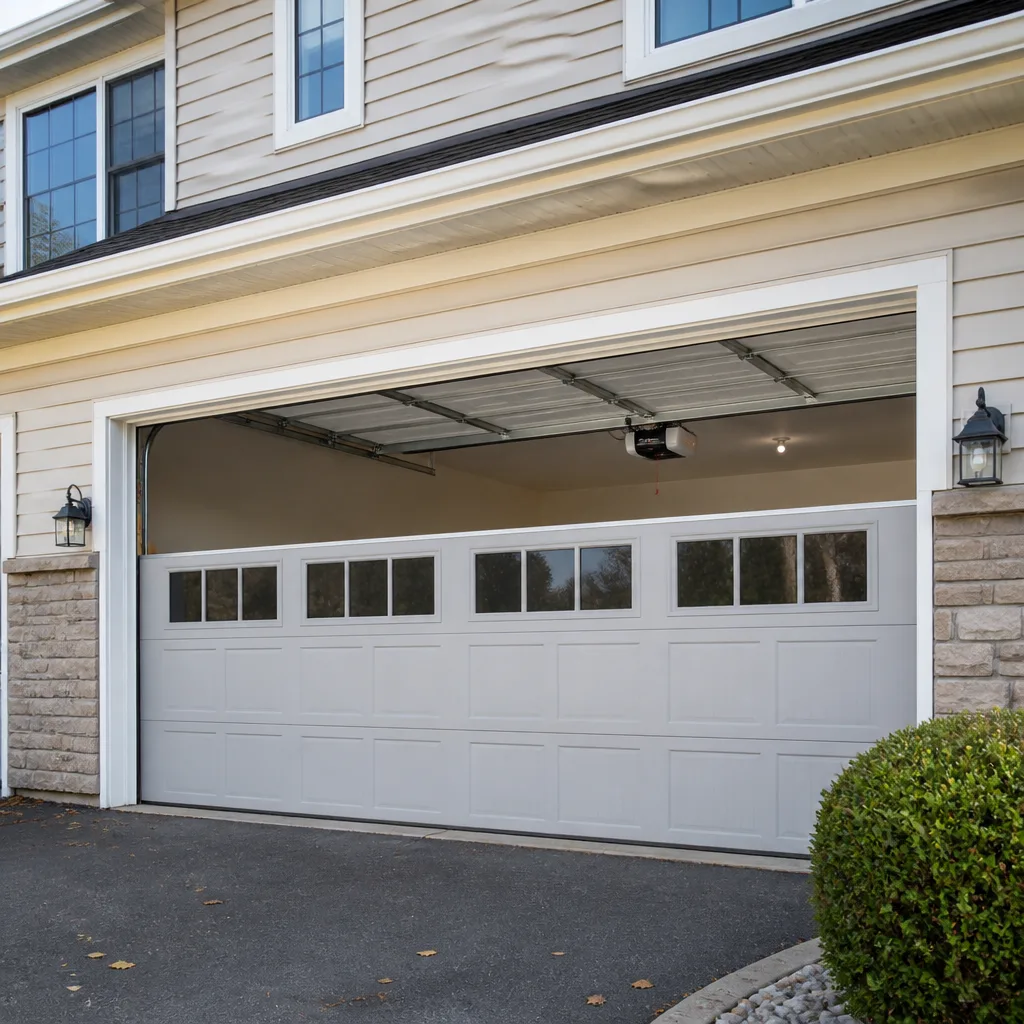 LiftMaster openers
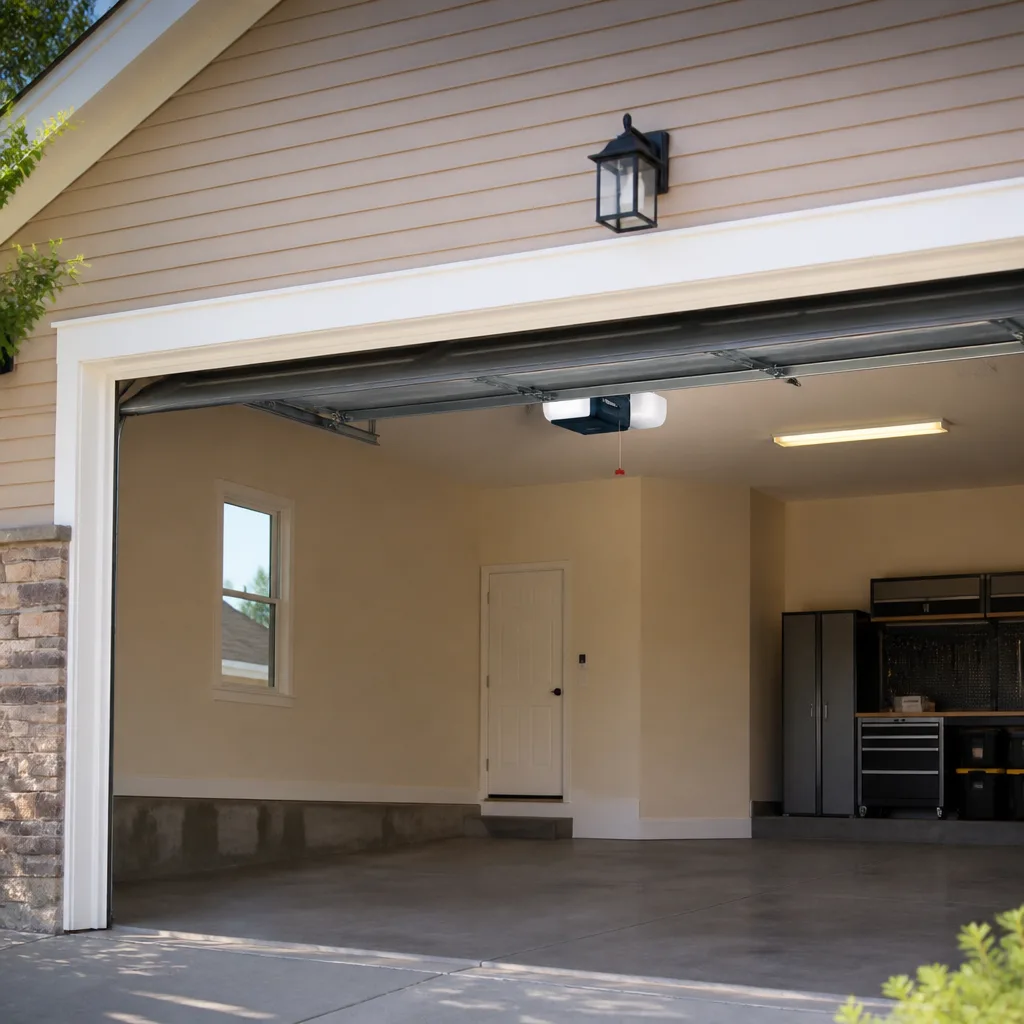 Chamberlain openers
Full 25-point door and opener safety check with every visit - springs, cables, rollers, tracks, and your LiftMaster or Chamberlain opener included
You get a price before we start. It does not change when the pro arrives.
Get your free estimateGarage Door Emergency Preparedness Guide for Tremont Homes
Most garage door emergencies turn into expensive, dangerous ordeals for one reason: nobody planned for them. When a torsion spring snaps on a door with no manual release cord you can reach from inside, the door is stuck shut, the car is trapped, and some homeowners have ended up calling the fire department to get out of their own house. That’s entirely preventable with one piece of hardware installed in advance. This guide is written to get you ready before something breaks, so you’re not reading instructions on your phone at 2 AM with a car idling in the driveway. We’ll cover the release procedure for the opener types most Tremont homes have, how to free a frozen door without wrecking the bottom seal, what to do when a cable comes off the drum, and the short checklist worth setting up this week.
Quick Answer
A garage door emergency comes down to three moves: get the door into a safe, stable position, get the manual release engaged correctly, and stop operating the door until a trained technician looks at it. Never pull the red release cord while the door is open if you suspect a broken spring, and never keep cycling a door whose cable has come off the drum. The rest of this guide walks through each scenario, plus what to have ready before anything goes wrong.
Styles & brands we work with
- Raised-panel steel
- Carriage house
- Modern flush
- Full-view glass
- LiftMaster openers
- Chamberlain openers
Table of Contents
- The Manual Release Procedure for Common Opener Types
- Power Outage Protocol: Backup vs. Non-Backup Openers
- How to Free a Frozen Door Without Damage
- What to Do When a Cable Snaps or Comes Off the Drum
- A Snapped Spring: Why You Stop and Call
- The Pre-Emergency Checklist for Tremont Homes
- Why Tremont Winters and Aging Hardware Raise the Risk
- When to Call a Professional
The Manual Release Procedure for Common Opener Types
The manual release is the single most important piece of safety hardware on your door, and it’s the one most homeowners have never tested. It’s a red handle on a cord that hangs down from the trolley, the sliding carriage on the opener rail. Pulling it separates the door from the opener so you can move the door by hand. That’s the whole idea. But the exact release looks a little different depending on what’s bolted to your ceiling, and the timing matters enormously.
Before you touch the cord, understand one rule that overrides everything else: never pull the red release cord while the door is in the open position if you suspect a broken spring. An open door is held up by spring tension and the opener. Release the opener with a dead spring and you’ve removed the only thing holding the door up. It can come down hard and fast. More than one homeowner has been seriously hurt this way. If the door is up and you think the spring is gone, leave the cord alone and call.
Here’s how the release works across the opener types most Tremont homes have:
- Standard chain or belt drive (LiftMaster, Chamberlain, Craftsman, Genie): With the door fully closed, pull the red handle straight down until it clicks. You’ll hear it disconnect. You can now lift the door by hand. To reconnect, lift the door to the fully open position and pull the handle toward the opener; the trolley snaps back in.
- Screw drive (common on Genie units): Same red-cord trolley release. Pull firmly while the door is closed. Some models have a two-piece trolley that needs the door fully open to re-engage.
- Wall-mount or jackshaft openers: These have a release that disengages the motor from the torsion shaft rather than a trolley on a rail. The lever is usually near the opener body on the side wall. Follow the label on the unit; if there isn’t one you can read, don’t guess.
The safest time to practice this is right now, with a door that works. Walk out, close the door, pull the release, lift the door by hand a few inches, then re-engage. Once you’ve done it once in daylight with a working door, you’ll know the motion when it matters. If your release cord is missing, frayed, or too short to reach, that’s a repair worth doing before winter. We handle garage door repair for exactly this kind of safety-hardware fix, and it’s one of the cheapest things you can do to protect your household.
Power Outage Protocol: Backup vs. Non-Backup Openers
When the power drops, whether it’s a storm rolling through or a tripped breaker, your door’s behavior depends entirely on one feature: whether the opener has a battery backup. LiftMaster and Chamberlain units are the most common ones in Tremont with this feature built in, and it’s the difference between a door you can open normally and a door you have to release by hand in the dark.
If your opener has battery backup: It should keep working for a limited number of open and close cycles, usually enough to get a car in or out. The battery is a small pack inside the opener housing, and it does wear out over time. Check it now and then by unplugging the opener with the door closed; if the door still moves, the backup is alive. If it doesn’t, the battery needs replacing. This is exactly the kind of pre-emergency test most people skip until they need it.
If your opener has no backup: You’ll need to use the manual release. Close or confirm the door is in the down position, pull the red cord, and lift the door by hand. On a healthy door this is manageable. On a door with a weak or failing spring, it may be heavy. That’s a signal, not a nuisance.
The release sequence that doesn’t stress your springs
- Make sure the door is fully closed. Spring tension is balanced and the door is at rest.
- Pull the manual release cord down until it clicks free.
- Lift the door by hand at the bottom center, using your legs, not your back.
- Once through, prop the door fully open or guide it gently closed; don’t let it slam.
- When power returns, lift the door fully open and re-engage the trolley. Test the opener with the door visible.
One more note that matters for a lot of Tremont homeowners: pulling the manual release while the door is closed does not void a spring warranty. The release exists for this. What can cause trouble is forcing a door that’s already binding or working against a compromised spring. If the door doesn’t lift smoothly by hand, stop, and call us for garage door opener repair. Openers get blamed for problems that are really a door balance issue.
How to Free a Frozen Door Without Damage
A door frozen to the threshold is one of the most common winter calls we get in Tremont, and it’s also one of the easiest problems to make worse. The bottom seal bonds to the concrete or the sill plate when meltwater refreezes overnight, and the opener – or a person yanking on the handle – will try to rip it free. That’s how a $20 seal becomes a bent bottom panel and a stripped opener gear.
The correct move is patience and gentle separation, not force:
- Don’t run the opener. If the door is stuck and the opener is trying to lift it, stop. Hit the wall button to reverse or stop it. Repeated attempts strain the opener and can strip the drive gear.
- Break the bond from the outside. A plastic scraper, a stiff putty knife or a wedge of warm water poured along the seal line will loosen the ice. Never use a metal pry bar against the seal or panel; you’ll crease the steel.
- Lift by hand. Once the seal is free, release the door and raise it by hand a few inches to confirm it moves cleanly.
- Dry the threshold. Wipe up meltwater and clear snow away from the door base so it doesn’t refreeze in minutes.
The best fix is prevention. Keep the area at the base of the door clear of snow and ice. If you have a slope that drains meltwater under the door, address it; a small berm or a swept path makes a difference. If your bottom seal is cracked, torn, or flattened out, it’s holding water and inviting the freeze. Replacing a worn weather seal is a small job that saves a lot of frustration. If you’ve already bent a bottom panel or the door won’t sit flush after a freeze, that’s worth a look before the next cold snap.
What to Do When a Cable Snaps or Comes Off the Drum
A snapped or derailed cable is a “stop everything” situation, and the reason is mechanical. The two cables on a torsion system are what keep the door level as it travels up and down; they’re wound onto drums at each end of the torsion shaft. If one cable snaps or slides off its drum, the door is no longer held square. Keeping the door moving at that point makes the remaining cable take double the load, can drop one corner of the door, and can wedge a panel hard enough to bend the track. The compounding damage is entirely from continued operation.
So the rule is simple: once you see a cable hanging loose, off the drum, or hear the door start to travel crooked, stop operating it. Don’t try to re-spool the cable onto the drum yourself. That drum sits under the same high tension as the springs, and one slip can take fingers. A cable that’s come loose is a job for a trained technician, not something to sort out at home with gloves and a YouTube tab.
What to do in order:
- Stop the opener and don’t cycle the door.
- Keep people clear of the door – it can drop a corner.
- Check that the door is fully closed if it will sit closed. If it’s stuck partway up, leave it and keep people away.
- Call for service. Cable replacement is quick and routine for a trained tech and dangerous to sort out otherwise.
If the cable problem is on a Clopay or Amarr door, we see the same setup across both, and we’re familiar with how those drums and cables are configured. Whatever brand you have, we’d rather fix a snapped cable today than replace a bent door next week. The Garage Door Repair Tremont team handles cable, drum and spring work as its own specialty, not a side job.
A Snapped Spring: Why You Stop and Call
A torsion spring breaking sounds like a firecracker going off in the garage. It normally happens when the door is going up or coming down, and it leaves the door very heavy. The spring is the counterweight that makes a garage door lift with a hand, and when it breaks, the door becomes a dead weight of a few hundred pounds balanced on a track that wasn’t designed to hold it there safely.
This is the one scenario where the safest advice is the least active: don’t touch the door. Don’t pull the manual release if the door is open. Don’t try to lift the door by hand; it’s heavier than you expect and it can drop. Don’t try to wind or replace the spring yourself. Torsion springs sit under extreme tension, the winding bars are a specialized tool, and one wrong move causes serious injury. This is genuine, not marketing: a trained technician is the only person who should be anywhere near a wound spring.
What to do if you hear the bang:
- Stand clear and keep people and pets away from the door.
- If a car is trapped inside, leave it there. Don’t run the opener.
- If the door is fully closed and stable, leave it closed.
- Call for spring service. Describe what you heard and saw so we know what to bring.
Spring repair is a dedicated service of ours, not an add-on, and it’s the most mechanically critical part of any garage door. We replace single springs, and we generally recommend replacing a matched pair together because the two run the same number of cycles; if one just failed, the other is close behind it. We also work on the openers around them, from LiftMaster and Chamberlain to Genie and Craftsman, so the whole system gets looked at. In Tremont, where winters work springs hard, a full check after one breaks is worth doing.
The Pre-Emergency Checklist for Tremont Homes
Here’s the part worth doing this week. A garage door emergency doesn’t have to be a scramble if you’ve got three things in order before it happens. Each one is small; together they turn a 2 AM panic into a five-minute fix.
1. Have your technician’s number ready
Not just saved in a browser you’ll never find again. Save it to your phone and write it on the inside of the garage door jamb: (855) 337-1175. If your opener is on a phone app, keep the number out of the app, too, because when the power is out, the app is useless.
2. Know your manual release and keep it reachable
Walk out and find the red release cord on your opener. If it’s missing, frayed, or hangs too high to reach from the floor, fix that now. A pull cord you can’t reach is no better than no cord – which is how people wind up stuck and calling the fire department.
3. Check your battery backup status
If you have a LiftMaster or Chamberlain opener with battery backup, test it by unplugging the unit with the door closed. If the door still moves, you’re covered. If not, replace the battery. If you don’t have backup, note in your head which door you’d release first and how, so you’re not reading about it in the dark.
A fourth useful habit for Tremont winters: do a quick visual check of the door the first cold morning each season. Are the springs visibly rusted or worn? Are the cables straight and on the drums? Is the bottom seal soft or cracked? A minute’s look tells you a lot before anything breaks.
Why Tremont Winters and Aging Hardware Raise the Risk
Garage doors fail more in cold, wet weather than at any other time, and Tremont gets plenty of both. Spring steel is under constant load, and when the mercury drops the metal gets more brittle and less forgiving. Roads get salted and snow melts under the door, and that moisture works its way into springs, cables, rollers and hinges. Every overnight freeze cycle works on the door hardware, and every thaw relaxes it again. That cycle repeats dozens of times across a typical winter, and it’s how a spring that held up all summer suddenly snaps on a January morning.
The other factor is age. A door that’s seen many winters a lot of movement has springs that are closer to their cycle limit, rollers that have dried out, and seals that have flattened. That’s not a reason to panic; it’s a reason to look and plan. If your springs are visibly rusty or have already broken once, plan for the pair. If your rollers are squeaking and the door sounds rough, get them looked at. If the bottom seal is hardened, replace it before the first freeze. Small, timely repairs keep a cold snap from turning into an emergency.
We’re familiar with how doors from the major brands, from Clopay and Amarr to LiftMaster and Genie, wear through a Tremont winter, and we plan the service around that. If your door is getting on and you’re wondering whether to repair or replace, our garage door installation service includes a free measure and a written quote so you can compare the two honestly before you decide.
Common Mistakes to Avoid
- Pulling the release cord on an open door with a suspect spring. That can send a heavy door down fast. Always confirm the door is closed first, or leave the cord alone and call.
- Cycling a door with a cable off the drum. Every extra cycle compounds the damage and can drop a corner of the door. Stop the opener and keep clear.
- Force-freeing a frozen door with the opener or a pry bar. Running the opener against ice strains the gear, and a metal bar creases the panel. Free the seal gently, by hand.
- Yanking a door by hand when it’s heavy. A stiffer-than-usual door is telling you a spring is failing. Treat the weight as a warning, not a workout.
- Assuming the opener is broken when the door is out of balance. A lot of “bad openers” are really a door with worn springs, rollers or cables. Diagnose the door first.
- Waiting for spring failure before thinking about the pair. If one torsion spring breaks, the other is generally near the end of its service life. Replacing both together saves a second emergency in Tremont.
- Skipping the pre-season look. A minute of visual checks each fall catches worn seals, rusty springs and loose release cords before winter turns them into 2 AM calls.
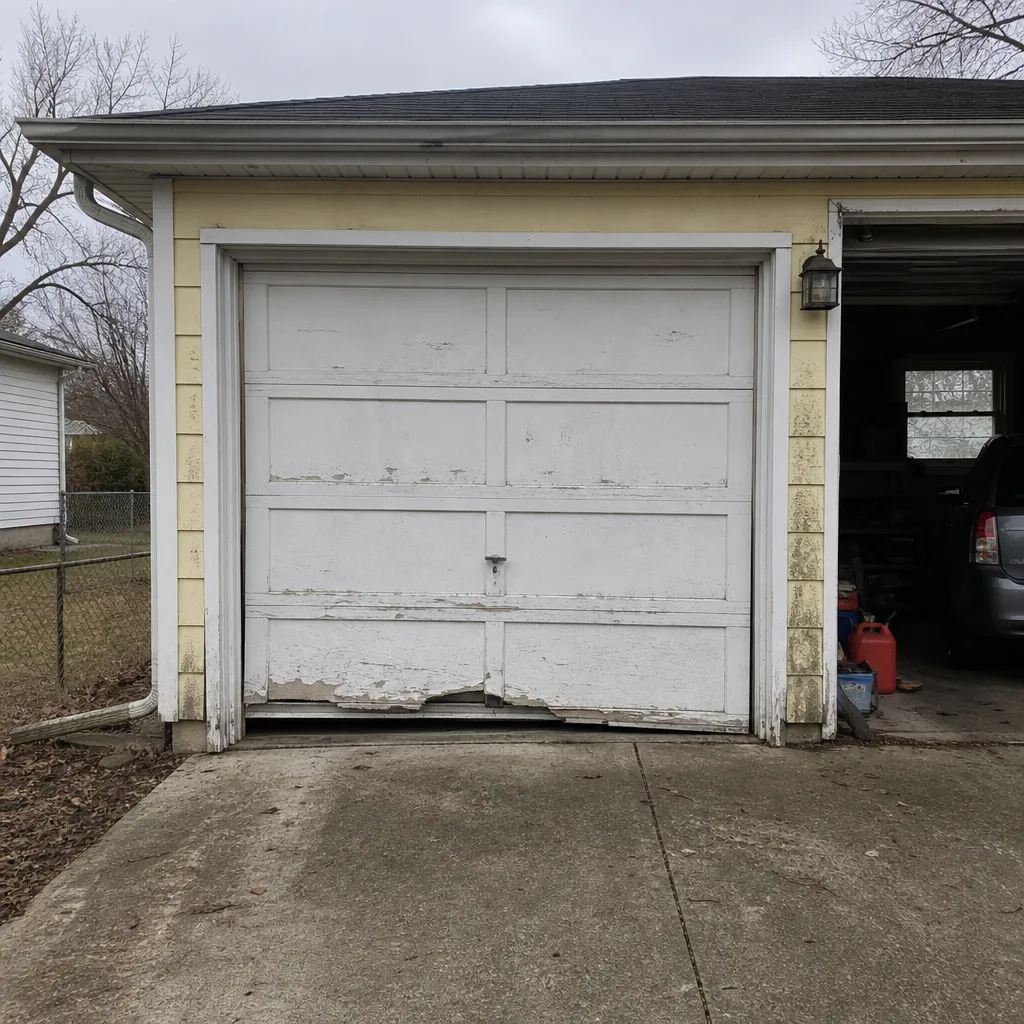
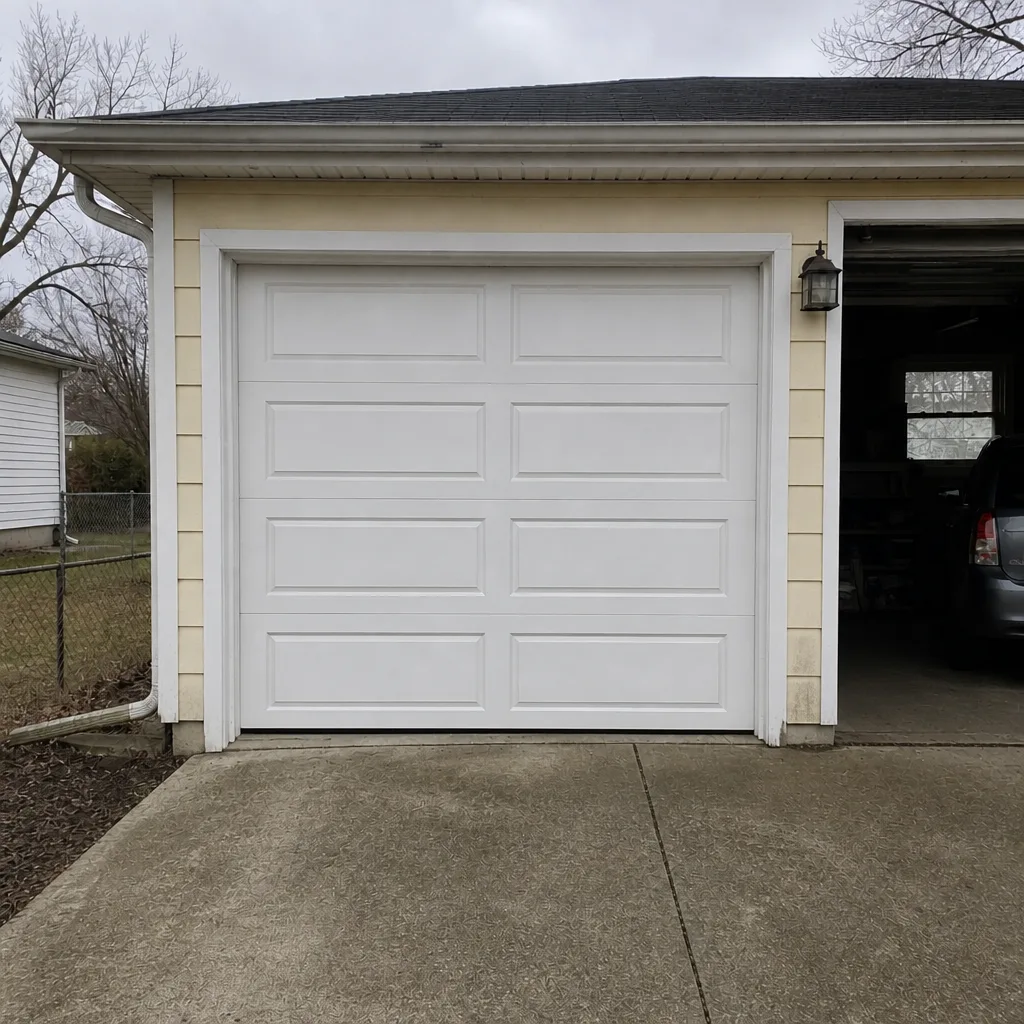
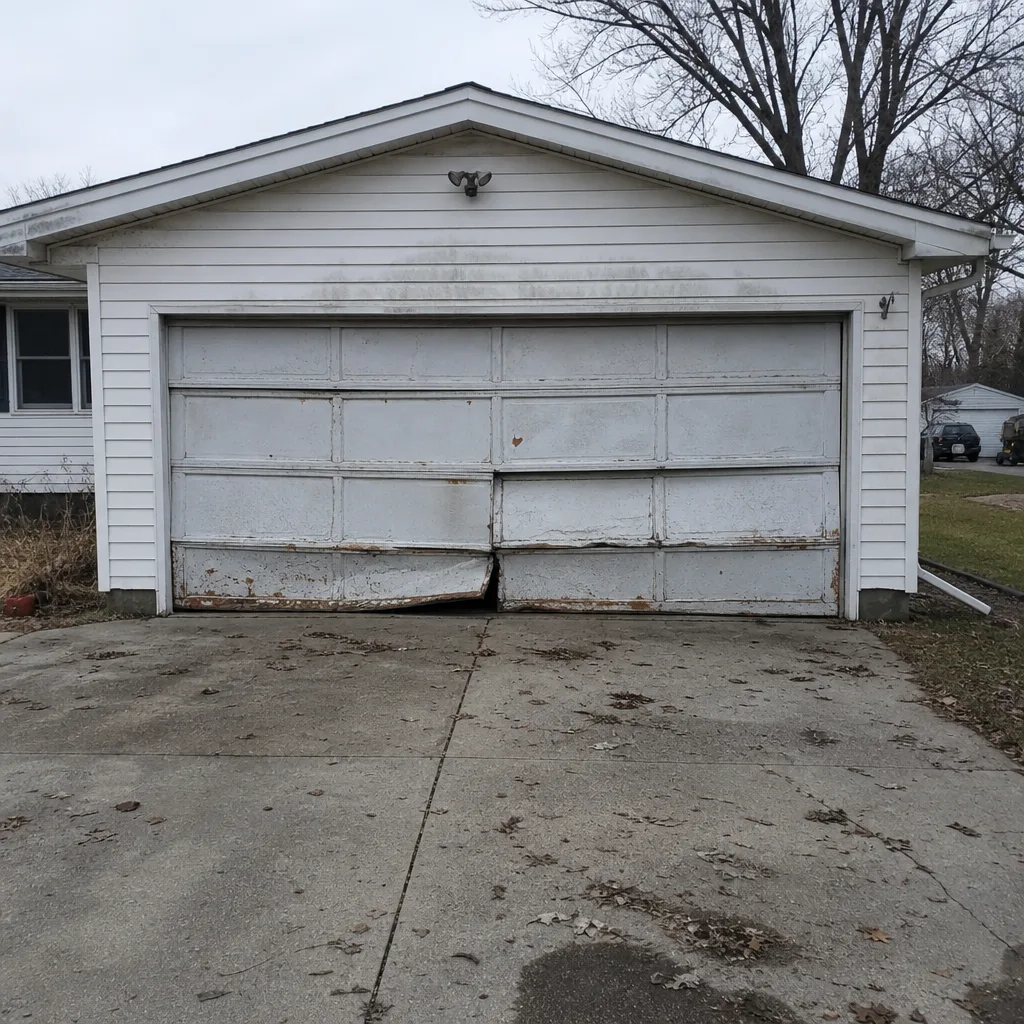
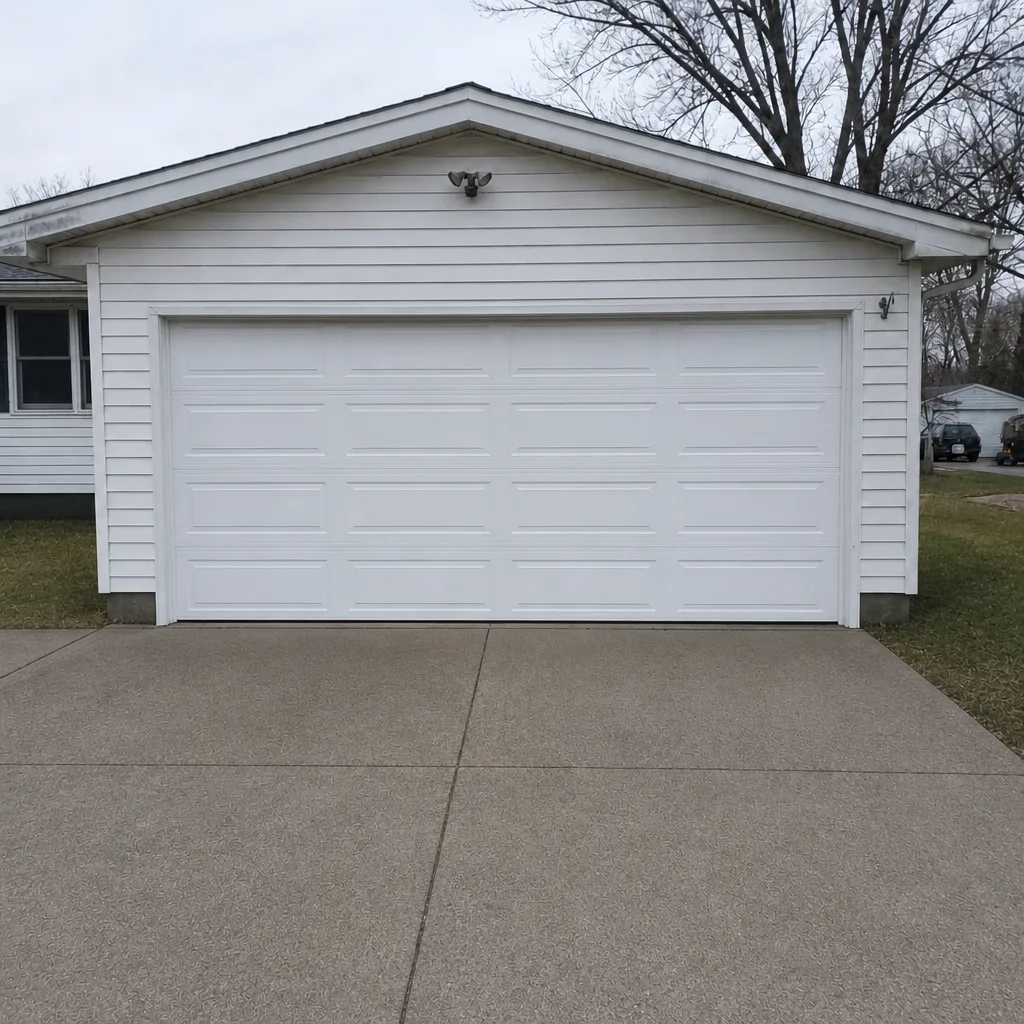
See the difference
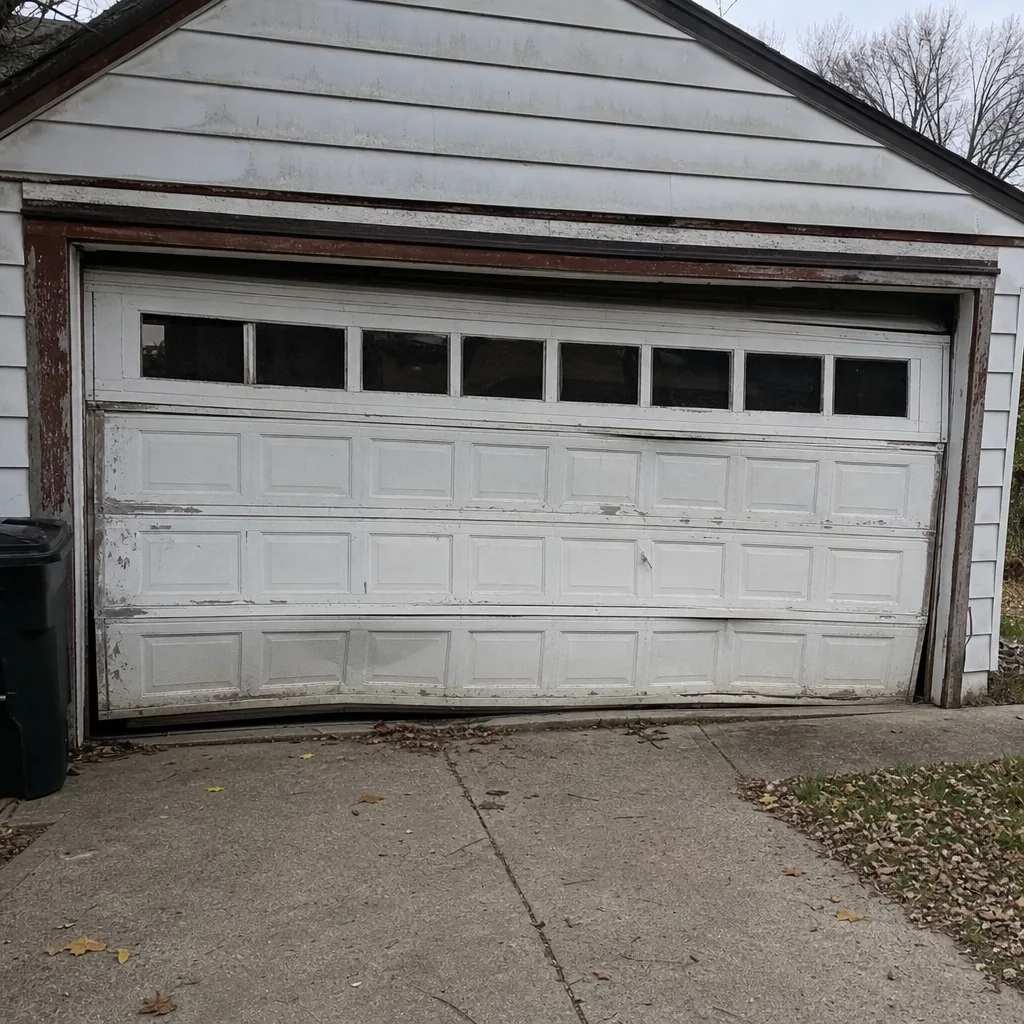 Before
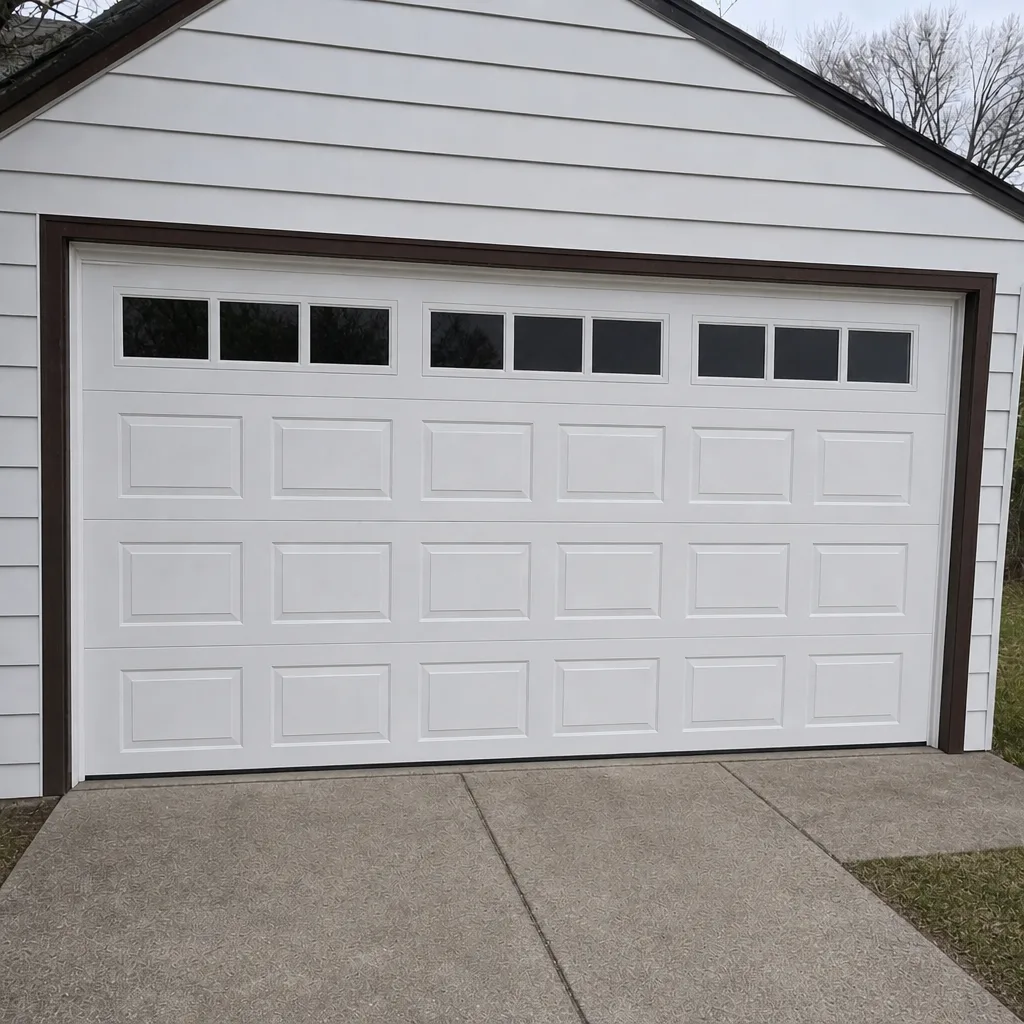 After
 Before
 After
 Before
 After
When to Call a Professional
Some garage door problems are genuinely DIY; a sticky roller or a misaligned safety sensor is fair game. But a few situations call for a trained technician, and that’s not a sales pitch. Call us if you hear a spring snap, if a cable comes off the drum or hangs loose, if the door is stuck with a car trapped inside, if the door won’t sit level, or if it’s simply too heavy to lift by hand. All of these involve high-tension hardware or a door that could move unexpectedly, and continuing to operate the door is where the real damage happens. If power is out and the manual release doesn’t work, that’s our kind of emergency call too. Garage Door Repair Tremont offers free estimates in Tremont – call (855) 337-1175 and we’ll help you figure out what to do next, even if it’s just talking you through the safe move.
Frequently Asked Questions
Stop using the door and keep everyone clear. A snapped spring leaves the door very heavy, and the door is not safe to operate by hand or with the opener. Don’t pull the manual release if the door is open, and don’t try to replace the spring yourself. Call (855) 337-1175 for spring repair; estimates are free.
In most cases, yes – a door that won’t close is an emergency we handle, and we do our best to get out the same day. If you’re trapped or the door is jammed open, call and we’ll work out the soonest safe option and talk you through keeping the door secure in the meantime. Call (855) 337-1175.
Typical spring repair runs in the range of a few hundred dollars for a single torsion spring, and a matched pair usually costs about twice a single. The exact price depends on your door and spring setup, and the written estimate sets the final price before any work begins. Call (855) 337-1175 for an exact quote – estimates are free.
No, not if it’s the same job we quoted. We agree the price with you before any work starts, and the written estimate is the number. If something hidden turns up, like a bent panel or a damaged drum, we’ll explain it and get your okay before touching it. Call (855) 337-1175 to set up a free estimate.
Yes, when the door is fully closed and the spring is intact. Pulling the cord separates the door from the opener so you can lift it by hand. Never pull it while the door is open if you suspect a broken spring, because the door can drop. Call (855) 337-1175 if you’re unsure.
Only if it has a battery backup. LiftMaster and Chamberlain units often do; most others don’t. Test yours by unplugging it with the door closed – if it still moves, the backup works. If not, plan to use the manual release, or call us about garage door opener repair if the opener is failing. Call (855) 337-1175.
The Bottom Line
A garage door emergency is rarely about the door itself; it’s about knowing what to do in the first minute. The spring snaps, the cable comes loose, the door freezes shut, and the difference between a quick, safe fix and a costly repair is whether you knew to keep the door closed, reach the manual release, and stop operating a door that isn’t safe. Do the three things in the checklist now – save the number, find your release cord, check your battery backup – and the rest of it takes care of itself. When the moment comes, a trained technician is who you want on the other end of the line. Our technicians have up to 12 years of experience, we work on all the major brands, and we handle emergencies as a core service, not an upsell. If you ever find yourself in one of the scenarios in this guide, call (855) 337-1175 for a free estimate and we’ll help you sort it out safely.
Written by the team at Garage Door Repair Tremont.