Last updated November 21, 2026
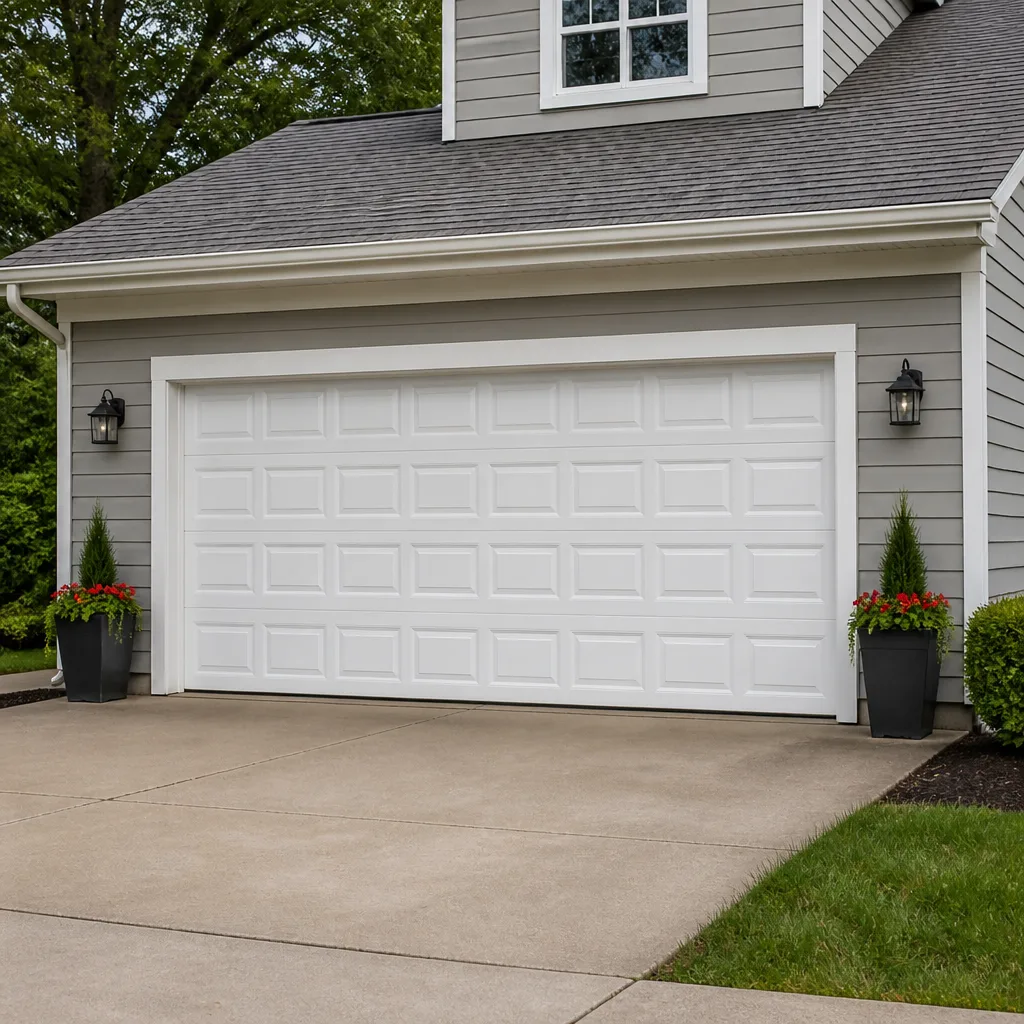 Raised-panel steel
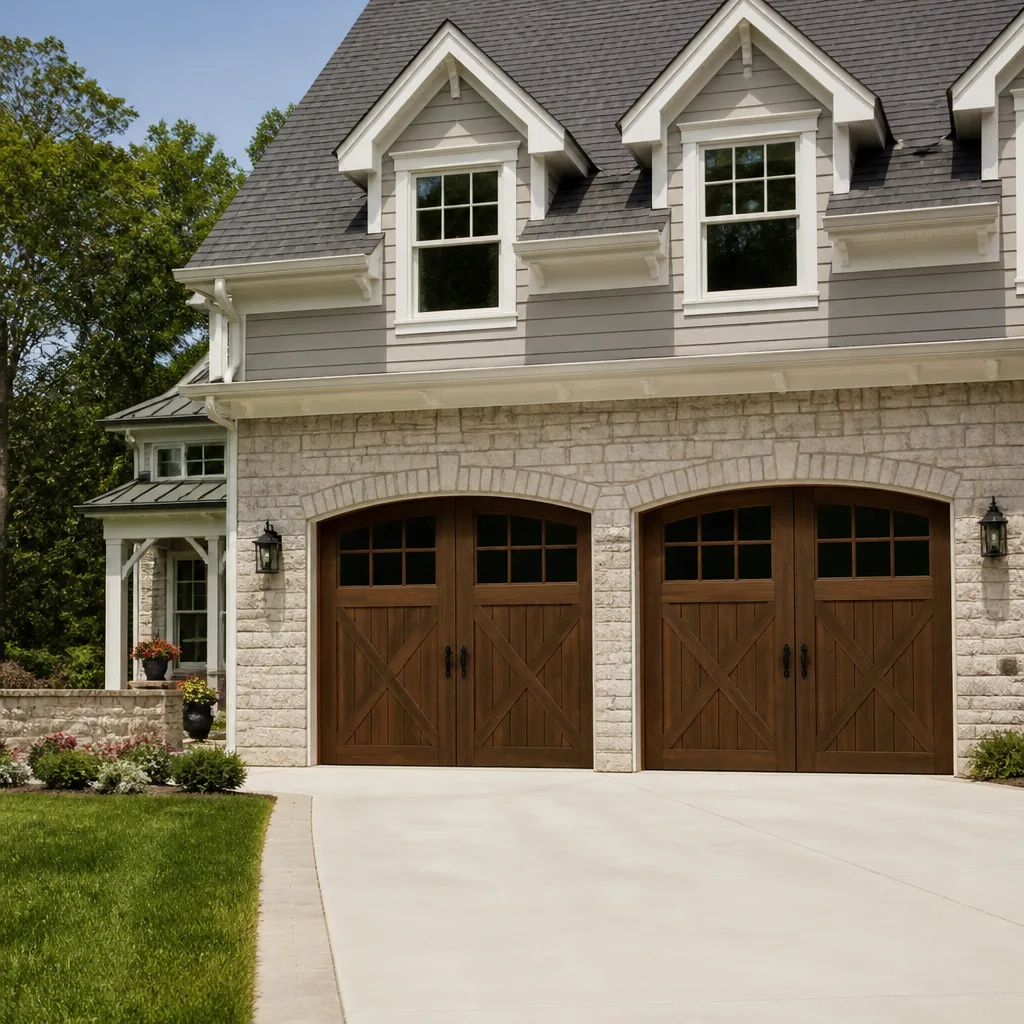 Carriage house
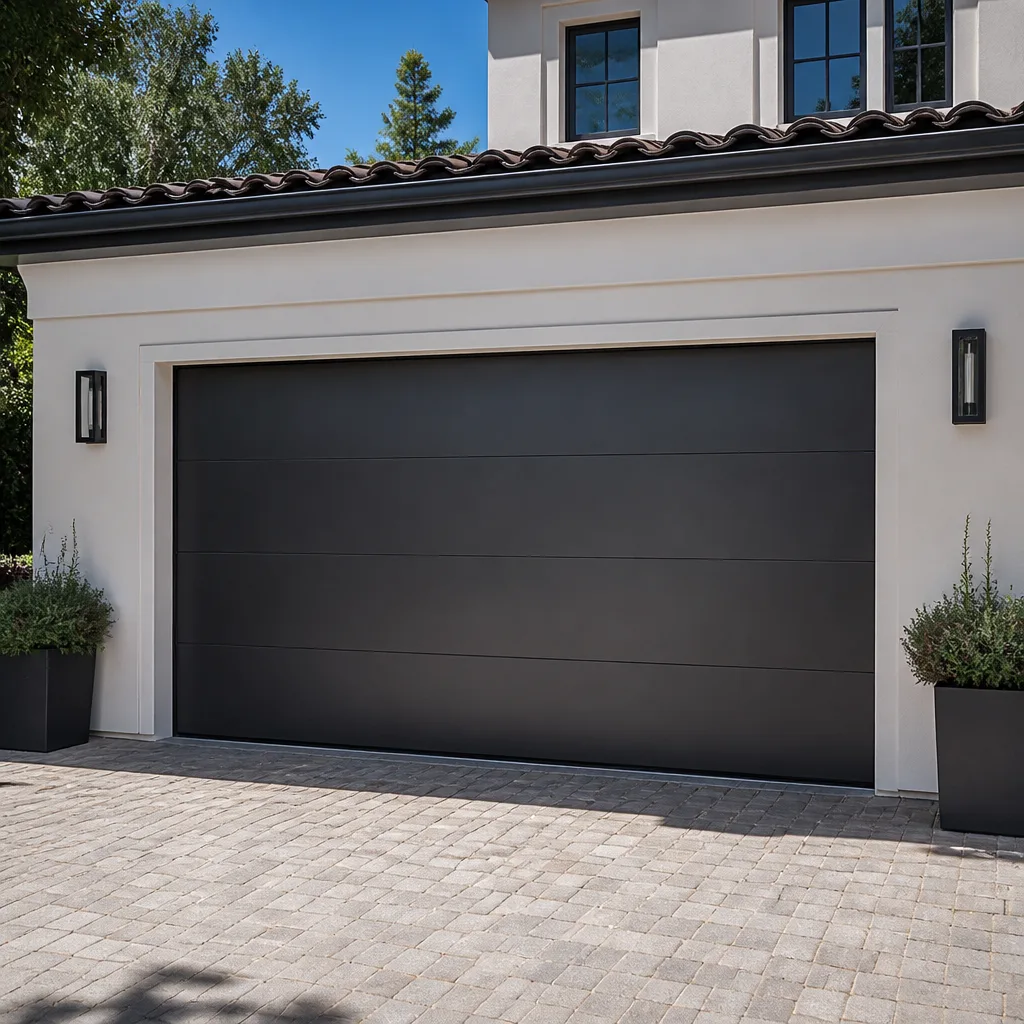 Modern flush
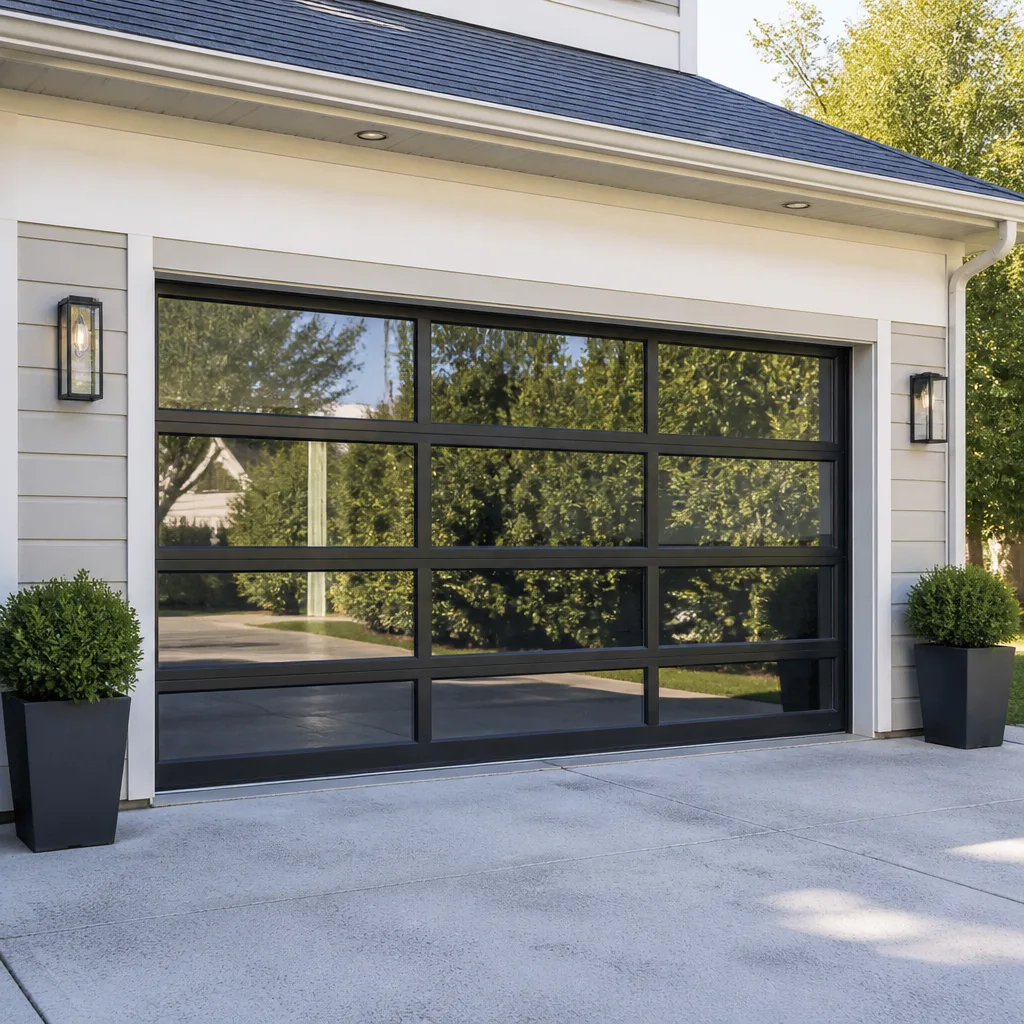 Full-view glass
 LiftMaster openers
 Chamberlain openers
Full 25-point door and opener safety check with every visit - springs, cables, rollers, tracks, and your LiftMaster or Chamberlain opener included
You get a price before we start. It does not change when the pro arrives.
Get your free estimateGarage Door Repair Troubleshooting in Tremont: Common Problems and How to Fix Them
A garage door that reverses before closing and a garage door that won’t move at all look like the same problem from the driveway. They aren’t. One is usually a sensor or travel-limit issue you can sort out in ten minutes. The other points at a broken spring or a dead opener, and that’s a different repair with a different price tag. Most of what goes wrong with a garage door in Tremont falls into four mechanical categories, and once you know which category you’re in, the panic goes away. This guide teaches you to read the symptoms like a diagnostic chart and decide what’s safe to handle yourself and what needs a trained technician.
Quick Answer
Most garage door problems in Tremont trace back to one of four systems: the springs, the opener, the cables, or the track. A door that reverses on its own is usually a sensor or limit-switch fault. A door that won’t move at all is usually a spring, cable, or opener failure. You can safely test sensors and the manual release yourself, but high-tension springs and cables should only be touched by a trained technician. Call (855) 337-1175 for a free estimate if the cause isn’t obvious after a basic check.
Styles & brands we work with
- Raised-panel steel
- Carriage house
- Modern flush
- Full-view glass
- LiftMaster openers
- Chamberlain openers
Table of Contents
- Symptom-to-Cause Map: Four Categories of Garage Door Failure
- Why Does My Door Reverse Before It Closes?
- Why Won’t My Garage Door Move At All?
- What Does Grinding or Scraping Mean?
- What Happens When a Door Comes Off Its Track?
- What Do LiftMaster and Chamberlain Error Codes Mean?
- Which Fixes Are DIY-Safe and Which Carry Real Risk?
- How Tremont’s Temperature Swings Trigger Seasonal Symptoms
Symptom-to-Cause Map: Four Categories of Garage Door Failure
Every garage door problem fits into one of four mechanical systems. Read the symptom, match it to the category, and you’ve already cut the guesswork by most of what a technician does on a first visit. Here’s how we break it down in our experience across Tremont.
- Spring failure. The door feels dead weight, won’t lift, or lifts a few inches and stops. You may hear a loud bang from the garage. The springs carry the door’s weight, so when one breaks, the opener can’t do the job alone.
- Opener failure. The door works manually but not by remote, or the motor runs but nothing moves, or the lights flash in a pattern. The door itself is fine; the drive system isn’t.
- Cable failure. The door hangs crooked, one side sags, or you see a loose or snapped cable on one edge. This is a safety-critical category because a cable under load can snap violently.
- Track and roller failure. The door binds, scrapes, or comes off the track. The door may open partway and jam, or one panel may sit out of line with the others.
Matching a symptom to a category tells you whether you’re looking at a $100-ish sensor fix or a spring replacement, and it tells you whether you should touch the door at all. That’s the whole point of this guide. If you already know you need hands on the door, our garage door repair team can pick it up from there.
Why Does My Door Reverse Before It Closes?
A door that reverses on close is almost always a safety-system fault, not a mechanical one. Modern openers have two safety eyes that shoot an invisible beam across the opening. If something breaks that beam, the door reverses immediately as a built-in protection. That’s the system working as designed, not failing.
- Check the eyes. Look at the two small units at the bottom of the tracks on each side. One has a light that should glow steady. A blinking light means the beam is broken or misaligned.
- Clear the path. Sweep away leaves, cobwebs, a stray broom handle, or anything else sitting between the sensors. In Tremont’s older garages, cobwebs and debris build up fast in a corner.
- Wipe the lenses. Dust and cold-weather condensation fog the lens. A soft cloth on both units fixes more reverse-on-close calls than you’d expect.
- Check alignment. Each sensor should point straight across at the other. If one was bumped by a bike or a recycling bin, it may be angled a few degrees off.
- Test again. Open the door fully, then close it and watch. If it still reverses with a clear path and a steady light, the issue is likely the travel limit or force setting on the opener, which needs a proper diagnosis.
Sensor and alignment problems are the one category most homeowners can handle. If the eyes are clean and aligned and the door keeps reversing, that’s when it’s worth calling for an exact quote rather than guessing.
Why Won’t My Garage Door Move At All?
A door with no movement at all points to the spring, the cable, or the opener, in that order. The first thing to do is pull the manual release cord that hangs from the opener rail and try lifting the door by hand. This tells you a lot without touching anything dangerous.
- If the door is very heavy or won’t lift at all by hand: the springs aren’t carrying the weight. That’s a spring failure, and it’s the most common reason a garage door in Tremont suddenly goes dead.
- If the door lifts by hand but the opener doesn’t move it: the problem lives in the opener – motor, drive gear, or a stripped drive sprocket. Smart openers like LiftMaster and Chamberlain often log a fault you can check against the error codes in a later section.
- If the door lifts unevenly or one side sags: a cable has jumped a drum or snapped on one side. Stop using the door and get a technician out; a loose cable is a real hazard.
One caution: once you pull the manual release, the door is free to fall if it’s being held up only by the opener. Never stand under an open door with the release pulled. And never put your hands near the springs or cables to “test” them. Those components are under high tension and can cause serious injury.
What Does Grinding or Scraping Mean?
Grinding and scraping usually come from the track-and-roller system, not the springs. Metal on metal means something has worn, shifted, or lost lubrication. The noise is your warning that the door is working harder than it should, and that extra strain wears out openers faster.
Common culprits include dry rollers, bent track, worn hinges, and loose bolts on the hinges and brackets. A squeaky hinge is often just a few drops of garage-door lubricant away from quiet. A scraping sound that runs the length of the door on one side usually means the track is out of plumb or a roller has worn flat.
Here’s where Tremont’s winters matter. Cold pulls metal shrinks slightly, and the wooden framing in older garages shifts with the freeze-thaw cycle. A door that runs quiet all summer can start to scrape in January simply because a track bracket has moved a fraction of an inch. Homeowners often read that as a failing opener, when it’s really a track adjustment. A trained eye can usually spot the difference in a few minutes.
If the grinding comes from the opener head itself, that’s a different story: a stripped gear or a failing motor. In that case the door is fine and the drive unit needs attention from someone who knows garage door opener repair.
What Happens When a Door Comes Off Its Track?
When a door comes off its track, the cause is almost always upstream: a bent track, a worn roller, or a cable or spring that let go and left the door out of balance. The track didn’t fail on its own. Something pushed the door out of alignment first, and the track took the strain.
This is a stop-using-the-door situation. If the door is crooked, jammed, or hanging by one roller, running the opener again can bend panels, snap a cable, or bring the whole door down unevenly. Disconnect the opener and leave the door where it is.
What a technician actually does on an off-track call:
- Inspect the springs and cables first, because a track problem is often a symptom of one.
- Check every roller and hinge for wear, flat spots, or a roller that has left the track.
- Straighten or replace the bent section of track and re-set the door’s alignment.
- Rebalance the door and re-set the opener’s travel limits.
- Run the door through several open-close cycles to confirm it moves clean.
If the track is deeply bent or a panel is creased, replacement of that section is often the honest answer. A proper garage door installation assessment will tell you whether a repair holds or the door is at the end of its run.
What Do LiftMaster and Chamberlain Error Codes Mean?
LiftMaster and Chamberlain openers use a diagnostic light on the motor head that flashes a pattern. Counting the flashes tells you what the opener thinks is wrong. This is one of the most useful troubleshooting tools a homeowner has, because the machine is telling you the answer directly.
Here’s how to count. Watch the light on the back of the opener as you press the wall button. Count the number of flashes before the pause, then any second group after the pause. For example, a code that flashes four times, pauses, then one is a “4-1.” Check your opener’s manual or the sticker inside the cover to match the count to the exact fault on your model, since codes vary between LiftMaster and Chamberlain generations.
What the flash patterns generally point to:
- Sensor fault codes. The opener can’t see a clear beam, or a sensor wire is loose or damaged. Match this to the reverse-on-close checks above.
- Travel or force fault codes. The opener hit more resistance than it expected, or the door didn’t reach the programmed limit. Often a door that’s binding or a spring that’s lost tension.
- Logic or battery codes. On some smart openers, a backup battery or a logic board fault shows as its own pattern. Craftsman units follow a similar scheme on many older models.
If the code points to sensors, try the alignment and cleaning steps first. If it points to force or travel, treat it as a door problem, not an opener problem, and get the door checked. We work on LiftMaster, Chamberlain, Genie, Craftsman, and the other major opener lines, so the flash pattern doesn’t send us guessing.
Which Fixes Are DIY-Safe and Which Carry Real Risk?
Some garage door fixes are genuinely safe for a homeowner with a screwdriver. Others can cause serious injury, and it’s not always obvious which is which. The dividing line is almost always this: anything under tension is a technician’s job.
Safe to handle yourself:
- Aligning and cleaning safety sensors.
- Lubricating rollers, hinges, and the opener rail with garage-door lubricant.
- Clearing debris from the tracks and the opener’s path.
- Pulling the manual release to free the door.
- Replacing a remote battery or re-syncing a remote to the opener.
Stop and call a trained technician:
- Any work on torsion springs. These carry the full weight of the door and can release violently if handled wrong. This is the highest-risk repair in the trade, and a generalist handyman shouldn’t be doing it.
- Any work on cables or cable drums. A cable under load can snap with enough force to cause a serious injury.
- Straightening or replacing bent track and any work that requires the door to come down.
- Adjusting the opener’s force setting without knowing what you’re doing, which can defeat the safety reverse feature.
If your symptom falls in the second list, that’s not a failure on your part. It’s exactly the work a dedicated spring and cable specialist is trained for. Our spring repair is a named service precisely because it’s the one most generalists avoid.
How Tremont’s Temperature Swings Trigger Seasonal Symptoms
Tremont’s weather moves between warm summers and cold winters, and that range does real work on a garage door. Metal expands in the heat and contracts in the cold. Wood framing shifts with the freeze-thaw cycle. Grease thickens in low temperatures. Many of the “failures” homeowners notice in a cold snap are seasonal symptoms, not broken parts.
What that means in practice:
- Stiff door in cold weather. Lubricant thickens and rollers drag. The door feels heavier and the opener strains. A winter-grade lubricant and a tune-up often fixes it.
- Slow or no response in the heat. Travel limits can drift slightly as the door’s geometry changes with temperature. A door that stops an inch short in July may be perfectly fine in January.
- Newly noisy door after a freeze. Bracket bolts loosen as the framing shifts. A quick re-tighten and lube quiets most of it.
- Sensor mis-reads in fog or frost. Condensation on the lenses breaks the beam. Wiping them down clears it.
The key is that a genuinely broken spring behaves the same in any weather. If the door is dead weight in summer and winter alike, it’s mechanical. If it only misbehaves during a cold snap or a heat wave, suspect the season before you suspect a part. That distinction saves Tremont homeowners from paying for repairs they don’t need.
Common Mistakes to Avoid
- Running the opener after a spring breaks. The opener can’t lift the door without the spring’s help, and forcing it can strip the drive gear and turn a spring repair into a spring-and-opener repair.
- Trying to adjust torsion springs by hand. This is the single most dangerous mistake in garage door work. The springs hold the full door weight, and the tools needed to release them are there for a reason.
- Assuming a reverse-on-close is a broken part. Nine times out of ten it’s a sensor or alignment issue. Check the eyes before you call for a spring.
- Ignoring a grinding noise until the door jams. Grinding is a warning. Left alone, a dry roller or bent track wears the opener out and can send the door off-track in a Tremont cold snap.
- Using the wrong lubricant. WD-40 and similar sprays attract grit and dry out the rollers. Garage-door lubricant is designed for the job.
- Pulling the manual release with the door up. Once released, the door is free to fall. Never stand under it with the release pulled.
- Mismatching a symptom to the wrong category. A door that reverses isn’t a spring problem, and a dead door usually isn’t a sensor problem. Match the symptom to the category before you buy parts or book a repair.
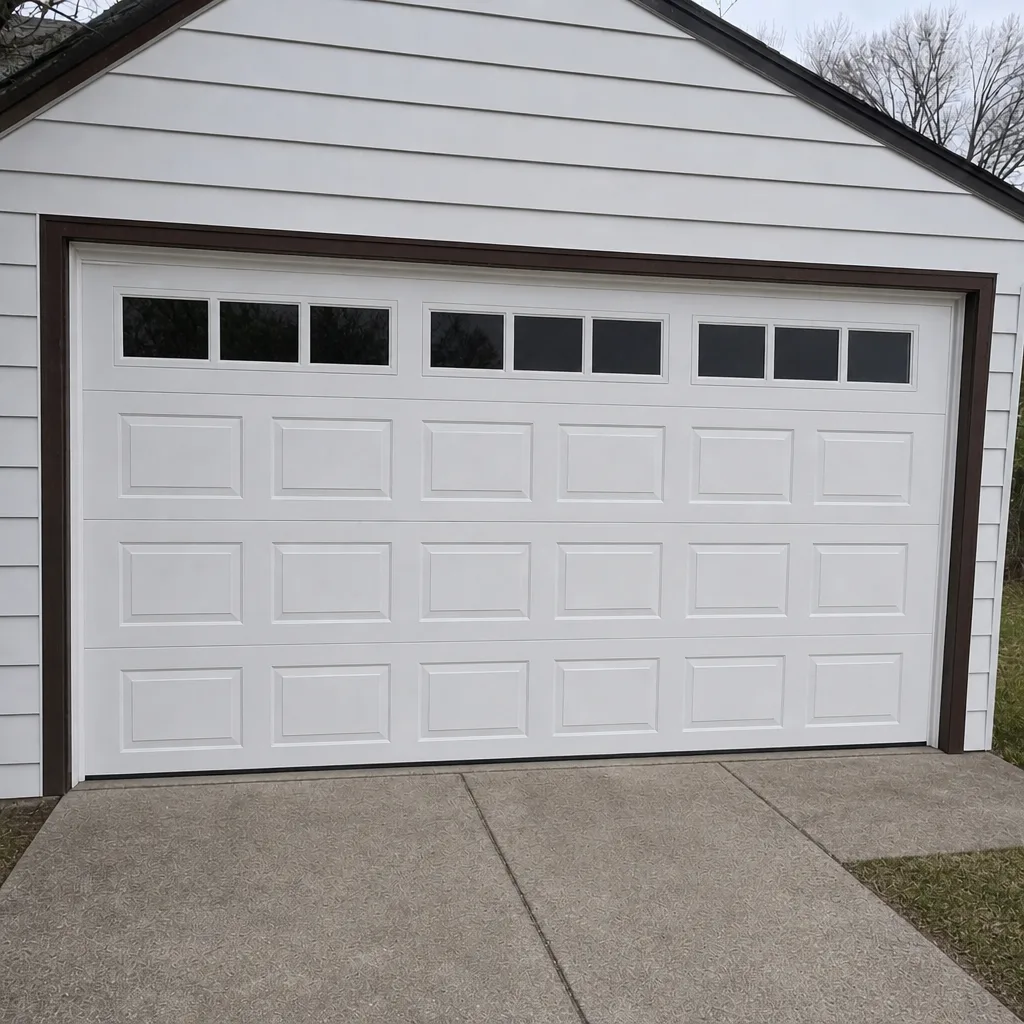
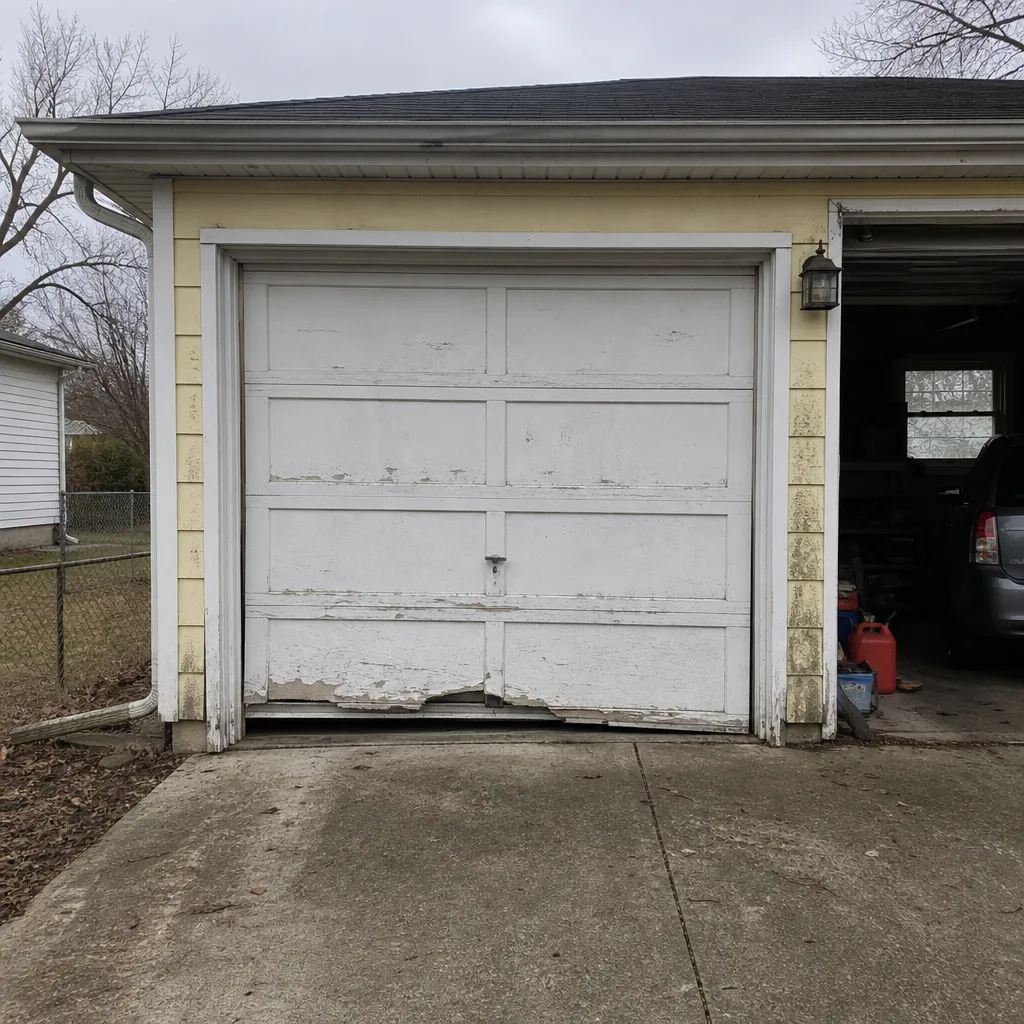
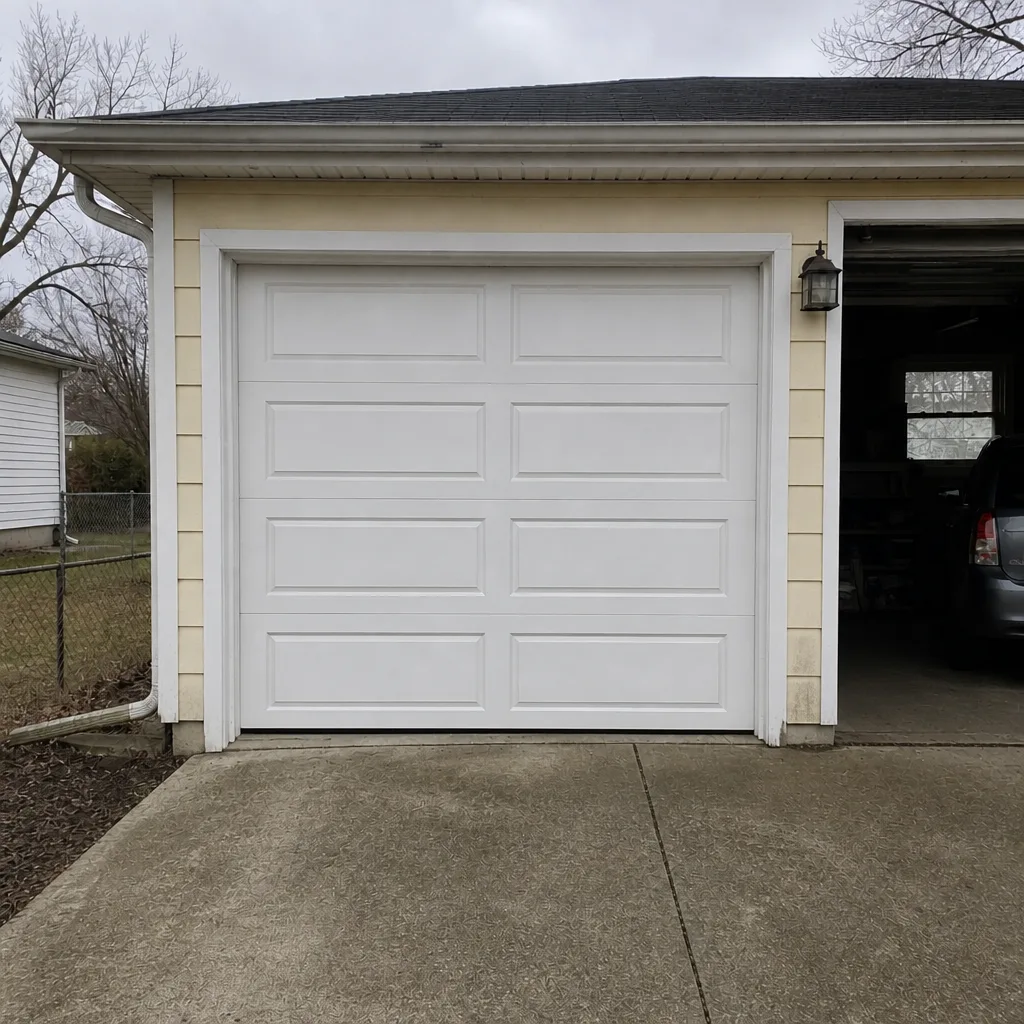
See the difference
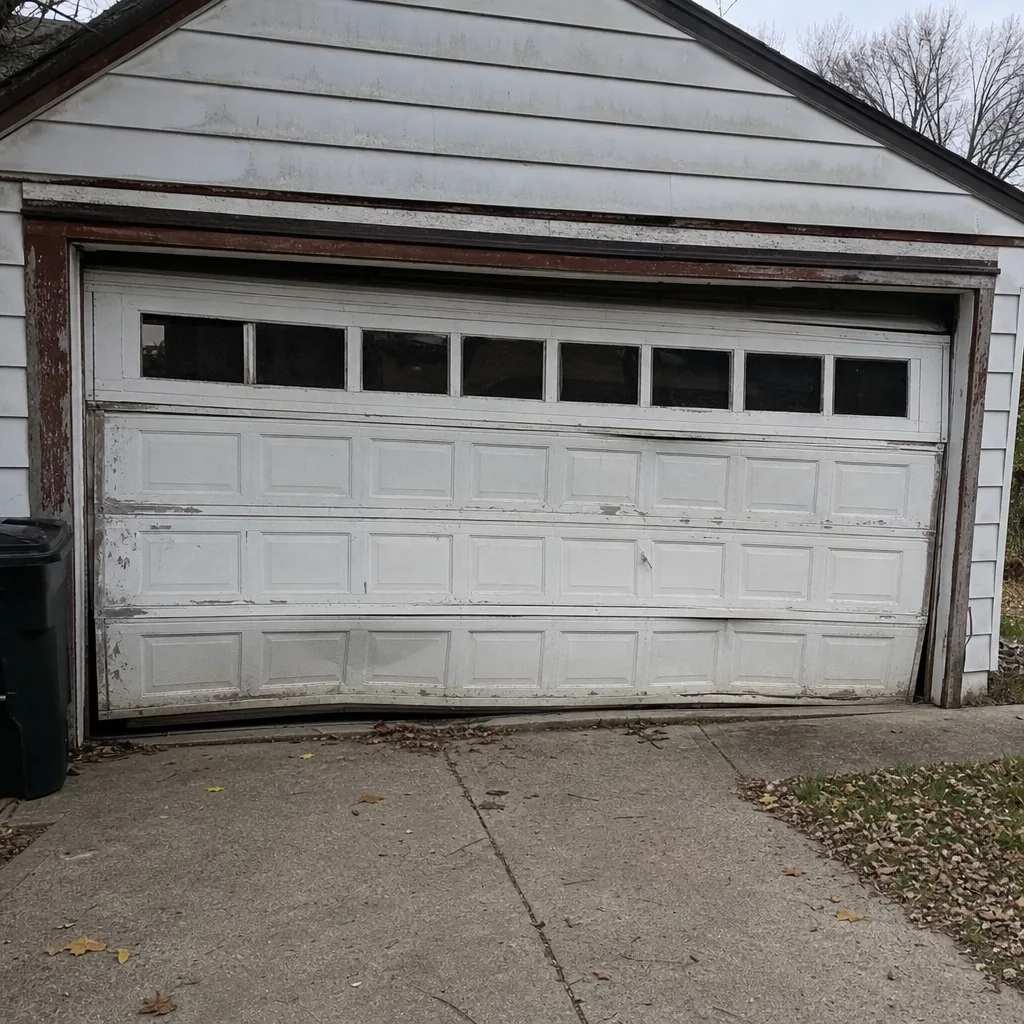 Before
 After
 Before
 After
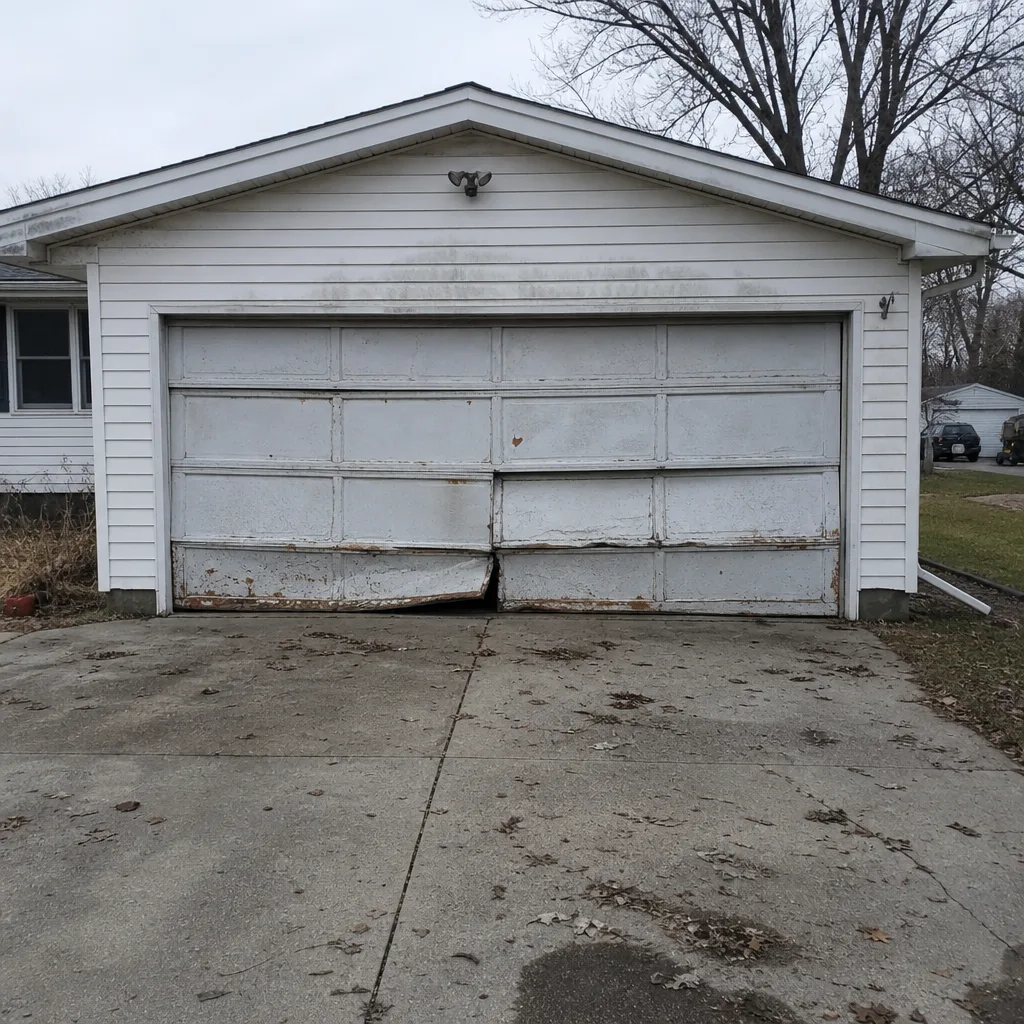 Before
 After
When to Call a Professional
Call a professional when the symptom falls into the spring, cable, or track category, when the door is crooked or jammed, or when a basic sensor and lubrication check hasn’t fixed a reverse-on-close or no-movement problem. Call immediately if you hear a loud bang from the garage, if the door hangs unevenly, or if a cable looks loose or snapped. Those are safety cases, not troubleshooting cases. Garage Door Repair Tremont offers free estimates in Tremont. Call (855) 337-1175 and we’ll find the actual cause, not just the symptom, and quote the price before any work starts. Our technicians have up to 12 years of experience and work on the major brands, so you won’t be told “we don’t work on that” when you’ve got a Wayne Dalton or a Raynor at the end of the driveway. Estimates are free, and the written price is the price.
Frequently Asked Questions
Most garage door repairs in Tremont run from about $100 to $350 for common issues like sensor alignment, roller and hinge work, or track adjustment. A single broken spring is typically a higher-ticket repair, and a matched pair of springs costs roughly twice a single-spring price because both are usually replaced together. The written estimate sets the final price. Call (855) 337-1175 for an exact quote; estimates are free.
Yes. A door that won’t close is a security and safety case, and our emergency garage door service is built for exactly that. When the door won’t move, we move fast. Call (855) 337-1175 and we’ll get a technician out as soon as we can book you, including early mornings or Sundays if the door has to be dealt with before you leave or after you’re home.
No. The price is quoted and agreed before any work starts. We diagnose the actual cause first, then give you the written price. If the job turns out to be larger than expected, you’ll know before we begin, and you’ll have the chance to decide. The written quote is the price.
Yes. The local professionals we connect you with are licensed and insured as their state requires. Our technicians have up to 12 years of experience, and spring and cable work is handled by trained technicians only, because those are the components that carry real injury risk.
No. Torsion springs are under high tension and carry the full weight of the door. Releasing or adjusting them without the right tools and training can cause serious injury. If you suspect a broken spring, stop using the door and call a trained technician. Call (855) 337-1175 for a free estimate.
Cold weather does real work on a garage door. Lubricant thickens, metal contracts, and wood framing shifts with the freeze-thaw cycle. A door that only misbehaves in a Tremont winter usually needs a tune-up and winter-grade lubrication, not a major repair. If it’s dead weight in any weather, that’s mechanical and needs a proper diagnosis.
The Bottom Line
Most garage door problems in Tremont fit one of four categories: springs, opener, cables, or track. Read the symptom, match the category, and you’ve already done most of the diagnostic work. Reversing doors are usually sensors and limit settings. Dead doors are usually springs or the opener. Grinding is track and rollers. Off-track is a stop-using-the-door case. Know which fixes are safe for you and which ones put you near high-tension parts, and use that cold-weather rule: if the problem only shows up in a cold snap, suspect the season before the parts. When in doubt, a free estimate settles it fast.
Garage Door Repair Tremont services repair, opener repair, spring repair, installation, and emergency calls for the major brands, so one call resolves the whole problem. Call (855) 337-1175 for a free estimate in Tremont.
Written by the team at Garage Door Repair Tremont.