Last updated November 21, 2026
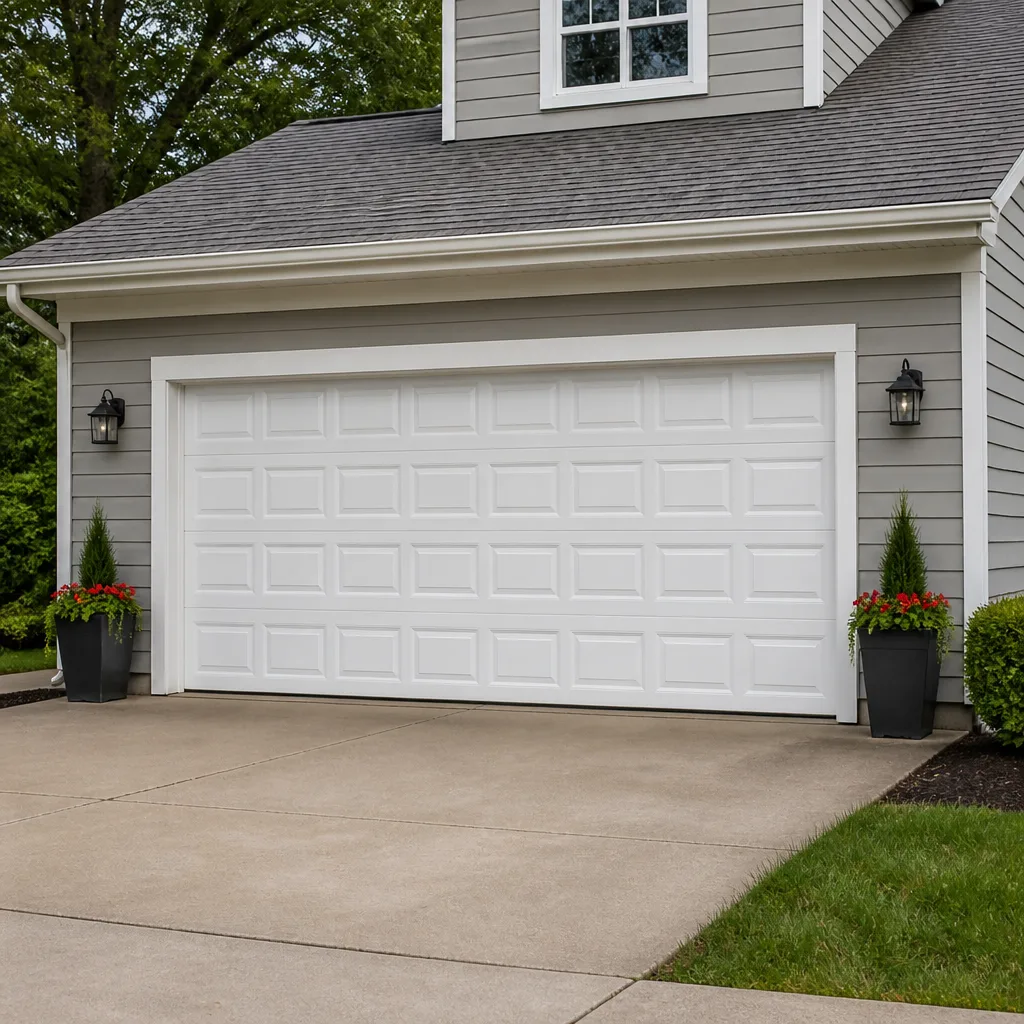 Raised-panel steel
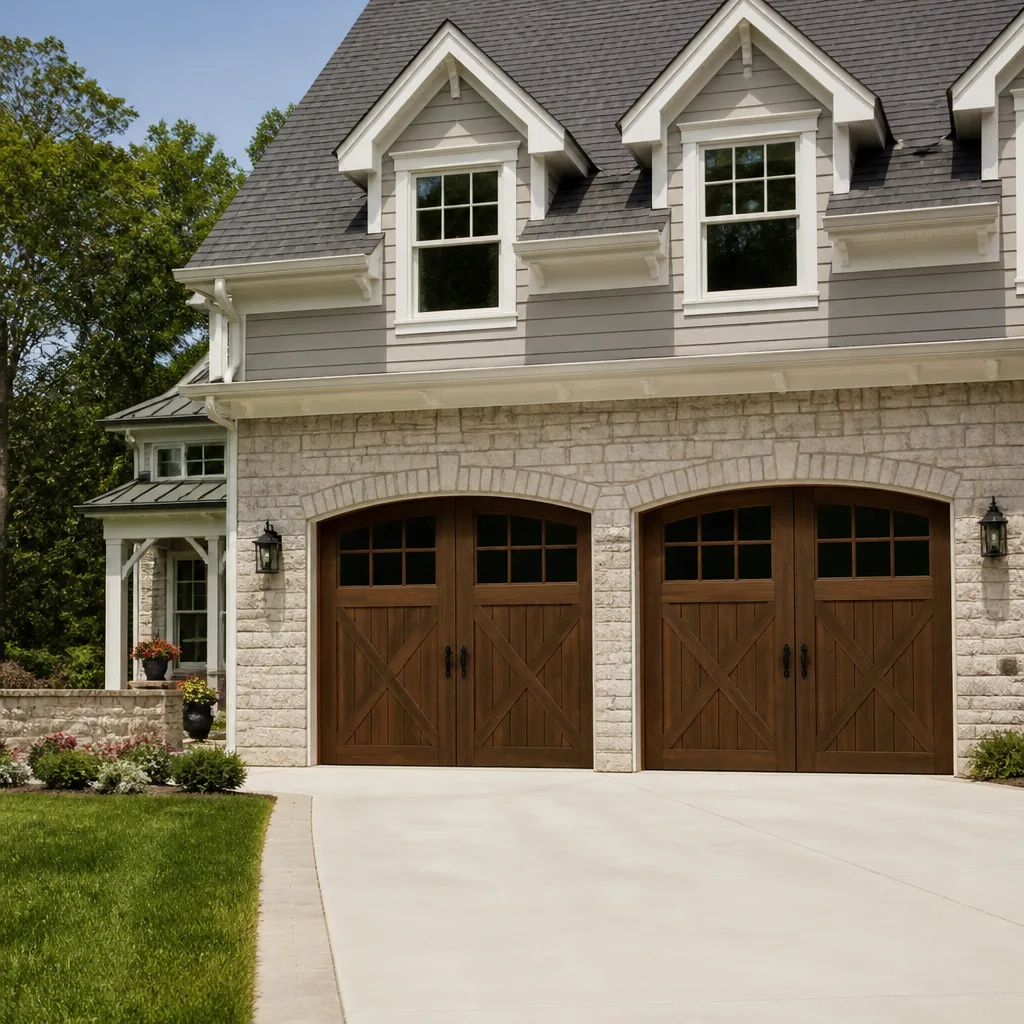 Carriage house
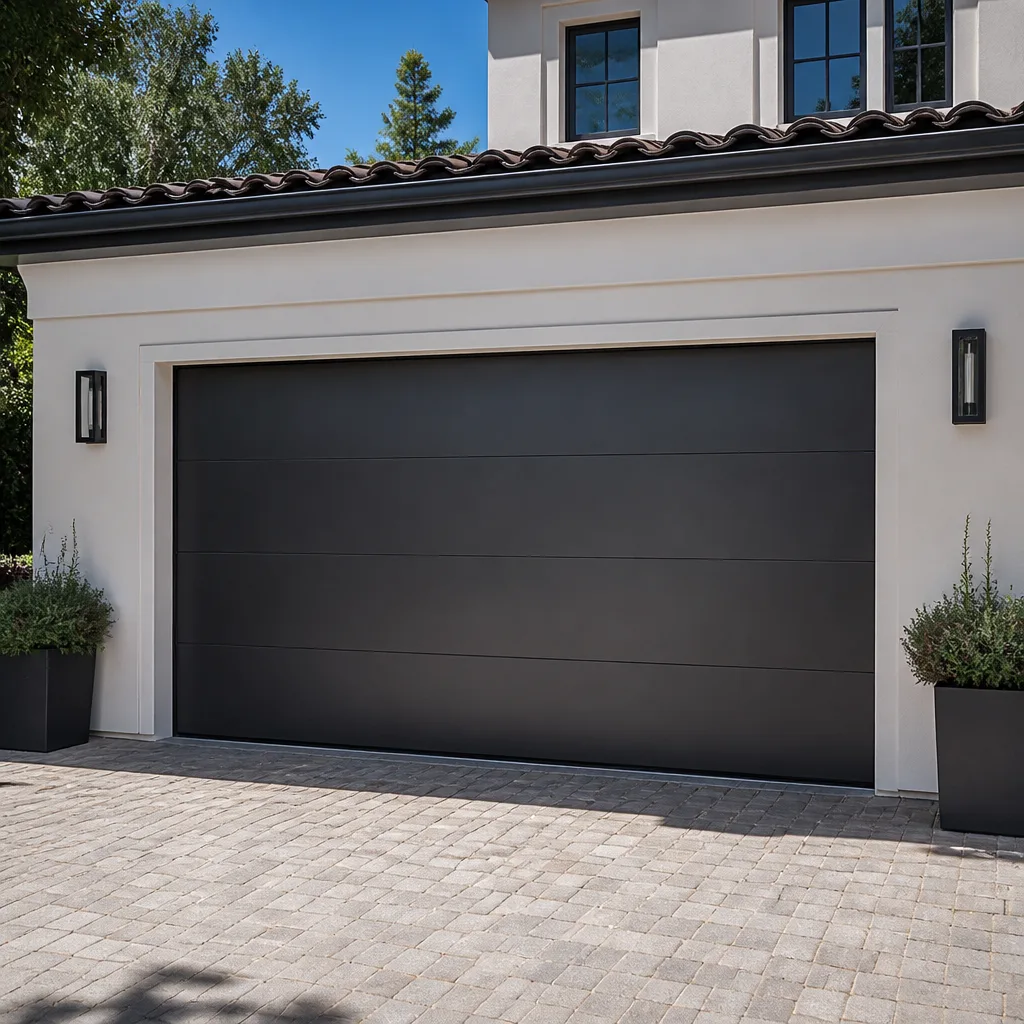 Modern flush
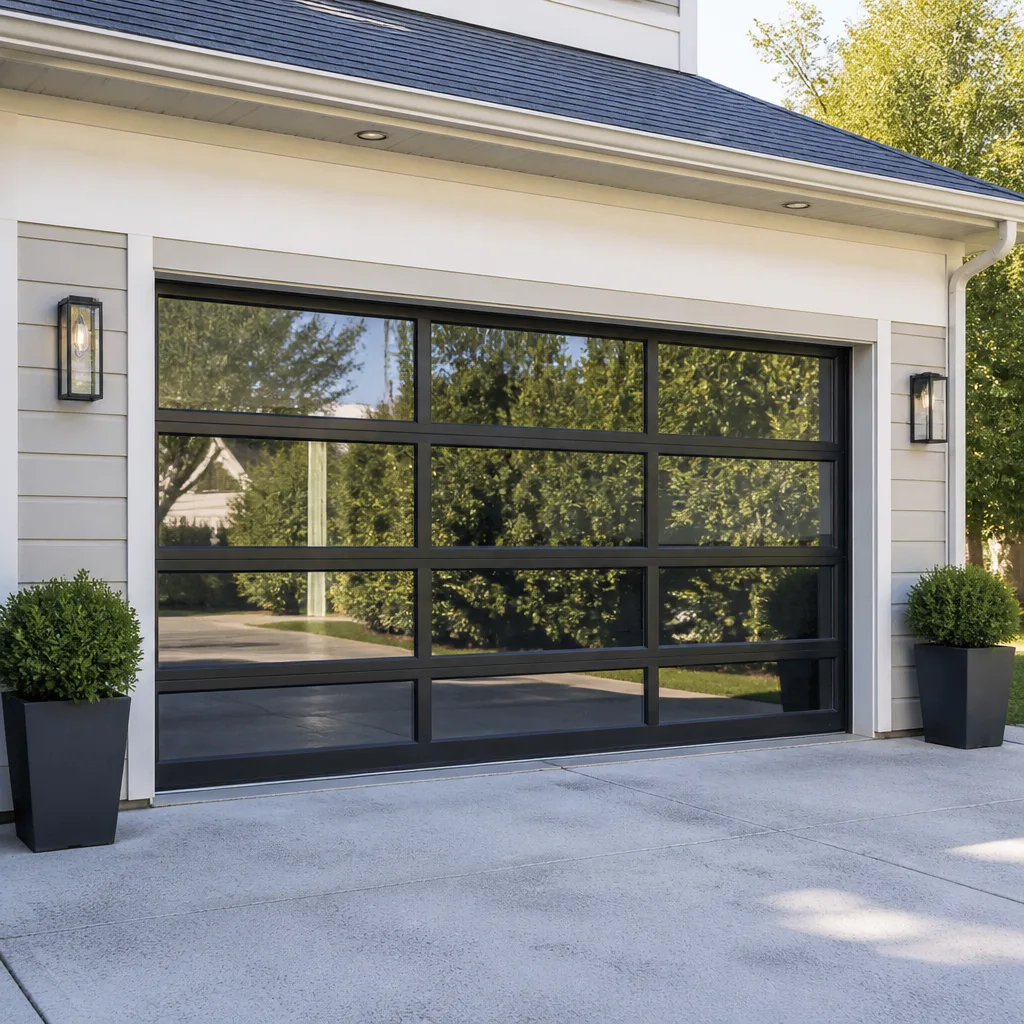 Full-view glass
 LiftMaster openers
 Chamberlain openers
Full 25-point door and opener safety check with every visit - springs, cables, rollers, tracks, and your LiftMaster or Chamberlain opener included
You get a price before we start. It does not change when the pro arrives.
Get your free estimateGarage Door Repair Maintenance Schedule: What to Do and When
A torsion spring doesn’t know what month it is. It only knows how many times it has been twisted and released. Torsion springs are rated for roughly 10,000 cycles, and if your household opens and closes the garage door four times a day, you’ll reach that number in under seven years. No annual lubrication schedule resets that clock. This is the misconception we run into most in Tremont: homeowners treat garage door care as one yearly checkbox when it’s really five separate routines on five different timelines. Below is a maintenance calendar built around how components actually wear, from the monthly walk-around to the seasonal tasks that matter in Tremont’s freeze-and-thaw winters. None of it requires special tools, and all of it helps you avoid the morning your car is trapped inside.
Quick Answer
A working garage door maintenance schedule has five tracks: a monthly visual inspection of cables, rollers, and seals; lubrication every three to six months; a hardware check on bolts and hinges twice a year; seasonal track and weather-seal attention before and after winter; and a professional safety inspection on a cycle-based interval rather than a calendar one. Springs, cables, and rollers wear by cycles of use, not by months, so a busy household needs service sooner than a quiet one. In Tremont, add a fall lubrication pass before cold contraction and a spring track check after ground freeze cycles.
Styles & brands we work with
- Raised-panel steel
- Carriage house
- Modern flush
- Full-view glass
- LiftMaster openers
- Chamberlain openers
Table of Contents
- Why Cycles Matter More Than Months
- The Monthly Visual Inspection Checklist
- Lubrication: The Right Product for Each Component
- Seasonal Tasks for Tremont’s Climate
- Twice-a-Year Hardware Check
- When to Bring In a Professional
- Building a Maintenance Log That Helps
Why Cycles Matter More Than Months
Garage door components don’t age on a calendar. They age on a counter. Every open-and-close is one cycle, and each part has a rated life measured in cycles rather than years. A household that leaves in the morning and comes home once needs well under half the cycle life of a family with two drivers, a dog walker, and a delivery pattern that keeps the door moving all afternoon. That’s why two identical doors on the same block in Tremont can fail years apart.
Here’s the practical translation. Count your typical daily cycles, then look at the wear parts:
- Torsion springs: rated at about 10,000 cycles for standard springs. Four cycles a day works out to roughly seven years; eight cycles a day cuts that to about three and a half.
- Rollers: steel rollers typically last tens of thousands of cycles; nylon rollers run quieter and often longer, but both eventually wear flat.
- Cables: a cable’s life depends less on cycles than on alignment and lubrication. A door that’s out of balance strains its cables on every cycle, so poor adjustment shortens cable life far faster than use alone.
- Opener: the motor is usually the last thing to wear out. The gears, the drive belt or screw, and the safety sensors are the components that fail first.
So the first maintenance question isn’t “when did I last do it?” It’s “how many cycles has it done?” Walking out to count your daily opens and closes once is more useful than any generic schedule. If you’re unsure whether a door has reached the end of a component’s usable life, a diagnostic visit can measure balance and spring tension directly, the same way we approach garage door repair as a diagnosis first and a fix second.
The Monthly Visual Inspection Checklist
The monthly inspection takes about five minutes and doesn’t involve tools or contact with moving parts while the door is running. You’re looking, listening, and testing balance. Below is exactly what to check and what a problem looks like on each component.
- Cables, from a distance. Look at the cables running down each side. Healthy cable is smooth and evenly wound. Fraying shows up as small broken strands forming a fuzzy “birdcage” pattern near the drum or bottom bracket. Any sign of fraying means the cable is compromised – stop using the door and have it looked at.
- Rollers in the track. Watch the rollers as the door travels. Worn rollers develop flat spots and start making a rumbling or grinding sound; a roller that wobbles visibly in its stem is close to failing.
- Bottom seal. Press the rubber seal against the floor with your hand. Cracking along the surface is one kind of wear; compression loss – the seal looks intact but doesn’t spring back and leaves light under the door – is the other, quieter one. Both let in cold air and pests.
- Balance test. Close the door, disconnect the opener using the release handle, then lift the door halfway by hand. A well-balanced door stays put. A door that slams down or drifts up has a spring problem – don’t force it, and don’t try to adjust the springs yourself.
- Obstacle and safety sensor test. Place an object in the door’s path and confirm it reverses on contact; block the photo-eye beam and confirm the door won’t close. These two safety features are the ones most worth testing every month.
- Noise. Simply listen. A door that’s getting louder is telling you a component is wearing; you usually just can’t see which one yet.
If any item on the list turns up a real problem, the door is telling you something specific. When we diagnose garage door opener repair calls in Tremont, the sensor and reversal test results are usually the fastest way to separate an opener fault from a door fault.
Lubrication: The Right Product for Each Component
One can of general-purpose spray is not a garage door toolkit. The single most common mistake we find is WD-40 sprayed on the springs and rollers: it’s a solvent, not a lasting lubricant, and it can strip the factory grease out of a bearing. A technician sees that residue and immediately knows the door has been maintained by guesswork. What each component actually needs is different.
- Torsion springs: a dedicated garage door or white lithium grease, applied lightly. Springs need a film that stays put through thousands of twists, not a solvent that evaporates.
- Rollers: a few drops of lightweight oil on the roller stems, not the roller surface itself. Nylon rollers need less and shouldn’t be over-lubricated.
- Hinges: light oil on the pivot points; these take the most friction and deserve a touch on every service.
- Tracks: never lubricate the tracks. They’re meant to stay clean and dry; grease in the track collects dust and grit and turns into a grinding paste.
- Weather seal: a silicone-based product keeps the rubber supple and helps it seal against the floor. Petroleum-based products degrade rubber over time.
Apply lubrication every three to six months, and always before cold weather sets in – the reason is in the next section. High-tension springs are dangerous to work near, so lubrication is the limit of what we’d ever suggest a homeowner do here; if a spring is broken, unbalanced, or making noise, that’s a job for trained technicians, not a can of grease.
Seasonal Tasks for Tremont’s Climate
Tremont’s winters do two things to a garage door: they contract metal and they shift the ground. Both create seasonal maintenance jobs that a warm-climate schedule would miss entirely.
Fall: Before the Cold Sets In
- Lubricate every moving metal part. Cold contracts metal, tightening tolerances and increasing friction at hinges, rollers, and springs. A door that’s fine in summer can start straining in January. A fall lubrication pass is the single highest-value seasonal task in Tremont.
- Test the weather seal and bottom rubber. Cold makes old rubber brittle and causes it to crack or pull away. Check the perimeter seal and the bottom seal before the first hard freeze.
- Check the balance again. A door that’s only slightly out of balance in autumn will be noticeably harder to move once the grease thickens and the metal tightens.
Spring: After the Ground Thaws
- Inspect track alignment. Ground freeze-thaw cycles move the slab and the framing slightly, which can knock a track out of vertical or push it out of parallel. Look down the length of each track for bends or gaps at the brackets, and test that the door runs smoothly without binding.
- Clear the tracks. Winter grit, salt from the road, and blown debris collect in the track channel. Wipe them clean and dry – no grease.
- Check the door’s rest position against the floor. If the slab moved, the door may no longer sit flush and the seal will gap. Cold air and moisture come straight in through that gap.
- Re-test the safety sensors. Snow, ice, and winter debris are common causes of a misaligned photo-eye; confirm the beam still lines up after a winter of shoveling and plowing near the door.
Seasonal attention is also a good moment to look at the door itself rather than just the mechanism. If your door is reaching the point where repair costs approach replacement, it may be time to look at garage door installation, and that conversation starts with a free measure and a written price rather than a rushed decision.
Twice-a-Year Hardware Check
Twice a year, walk the door and check the fasteners. Vibration loosens things – hinges, brackets, and track bolts – and a loose bolt does more damage than a tight one because it moves. This check takes ten minutes and catches problems long before they become a snapped part.
- Tighten every hinge bolt, roller bracket bolt, and track bracket bolt you can reach with a wrench. Check that none are missing or stripped.
- Inspect the hinges for cracks, especially the top and bottom hinges that carry the most load.
- Check the lift cables’ attachment points at the bottom brackets. Look for rust or wear where the cable hooks on.
- Look at the door panels for cracks or separation, particularly along the bottom section where moisture collects.
- Confirm the opener’s emergency release works smoothly and reconnects cleanly.
- Test the door’s balance one more time by hand with the opener disconnected.
That check also protects whatever is holding the door up. If a bracket or a spring anchor looks loose or damaged, stop and get it looked at – a loose anchor under tension is a serious safety issue, not a tighten-it-later job. This is the kind of visible wear that a professional safety inspection catches before it fails.
When to Bring In a Professional
There’s a clear line between routine maintenance and work that shouldn’t be DIY. The line runs right through the springs and cables, which are under high tension and can cause serious injury if handled without the right tools and training. A trained technician knows how to release and re-tension them safely; a homeowner with a wrench does not. Our technicians have up to 12 years of experience with these systems, which is exactly the kind of work that experience is for.
Bring in a professional when any of these are true:
- A spring is broken, visibly stretched, or the door is too heavy to lift or won’t stay up.
- A cable is frayed, bent, or off its drum.
- The door is out of balance, binds, or comes off its track.
- The door reverses unexpectedly, the opener runs but the door doesn’t move, or the sensors won’t align.
- Balance, spring, or cable inspection turns up anything you’re not sure about – a professional diagnostic is cheap compared to a broken door.
Emergency situations – a door stuck open at night, a car trapped inside, a door that won’t close and leaves the house exposed – qualify for emergency service, not a scheduled appointment. For everything else, a routine inspection is the low-cost way to catch wear early.
Building a Maintenance Log That Helps
A maintenance log isn’t busywork. It’s the fastest way to let a technician skip straight to the right diagnosis when something fails. When you can tell them the door’s cycle count, the last time it was lubricated, and what changes you’ve noticed, you’ve already eliminated half the guesswork.
Keep a simple log – a note on your phone or a sheet taped inside the garage door frame near the opener – with these fields:
- Date and cycle count. An approximate daily cycle count is enough; multiply by days since the last entry.
- What you did: lubricated hinges, tightened bolts, replaced the bottom seal, and so on.
- What you noticed: new noise, a wobble, a gap at the floor, a roller that looked worn. Note it even if you didn’t fix it.
- Professional visits: what was inspected or repaired, and any parts replaced.
When a problem eventually does show up, that log tells the technician whether the door has done 5,000 cycles or 15,000, which changes the diagnosis and the recommendation. It’s the difference between “the spring feels weak” and knowing the door has been on borrowed spring life for two years.
Common Mistakes to Avoid
- Treating maintenance as one yearly task. Lubrication on a calendar and spring life on a calendar are two different things. A door can be freshly greased and still be a week from a broken spring because its cycles ran out. Track both.
- Spraying WD-40 on springs and rollers. It’s a solvent, not a lasting grease, and it can strip protection out of bearings. Use the right lubricant for each component, and never grease the tracks.
- Ignoring the bottom seal through winter. In Tremont, a tired bottom seal lets cold air and moisture into the garage all season and quietly rots the bottom panel. Check it in fall, not when you notice a draft.
- Adjusting springs or cables yourself. High-tension springs and cables are the most dangerous parts of the entire door. Any spring or cable issue should go to a trained technician.
- Letting the door keep running after a cable starts to fray. A fraying cable is a sign of an out-of-balance door. Keep running it and a bigger, costlier failure follows.
- Skipping the post-winter track check. Ground freeze-thaw in Tremont can knock a track out of alignment. A door that suddenly binds in spring is usually a track issue, not an opener issue.
- No maintenance log. Without a record of cycles and repairs, you and any technician are guessing at wear. A simple note saves time and money when something fails.
See the difference
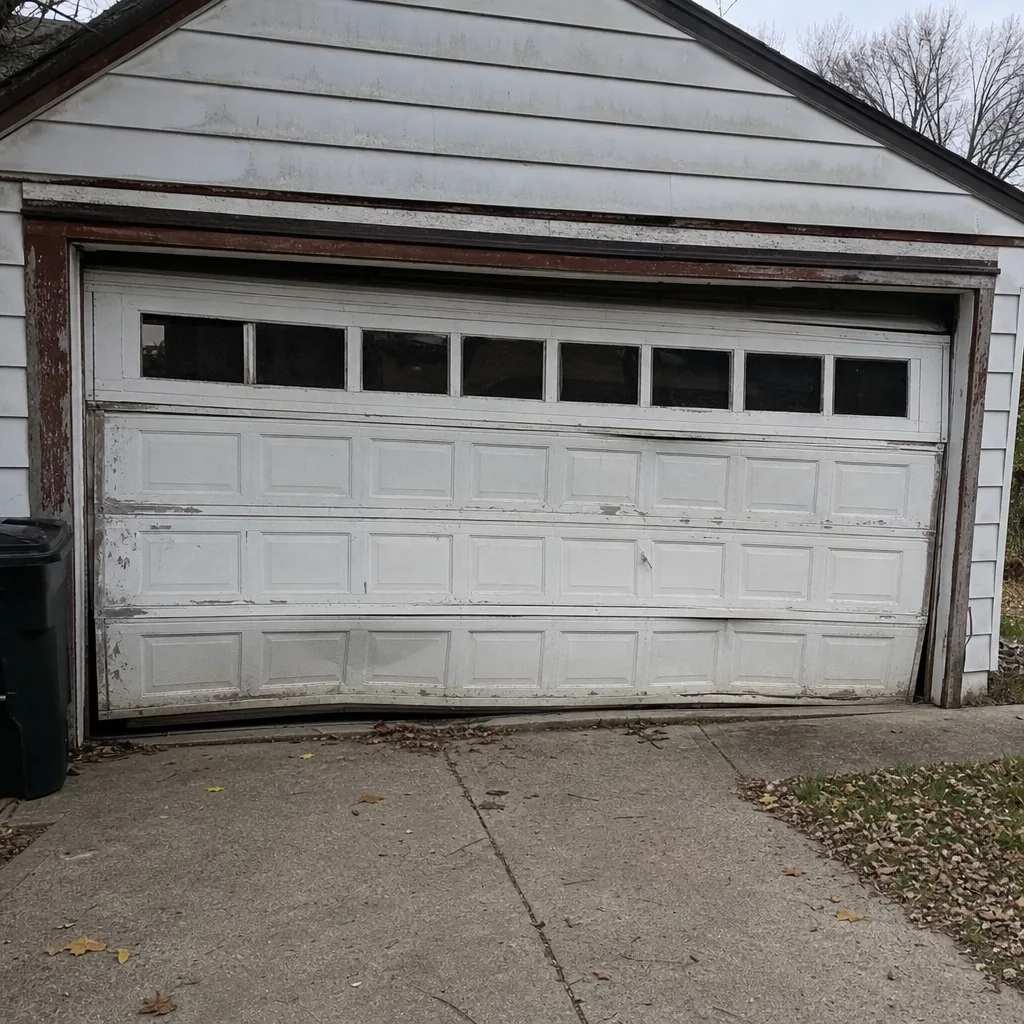 Before
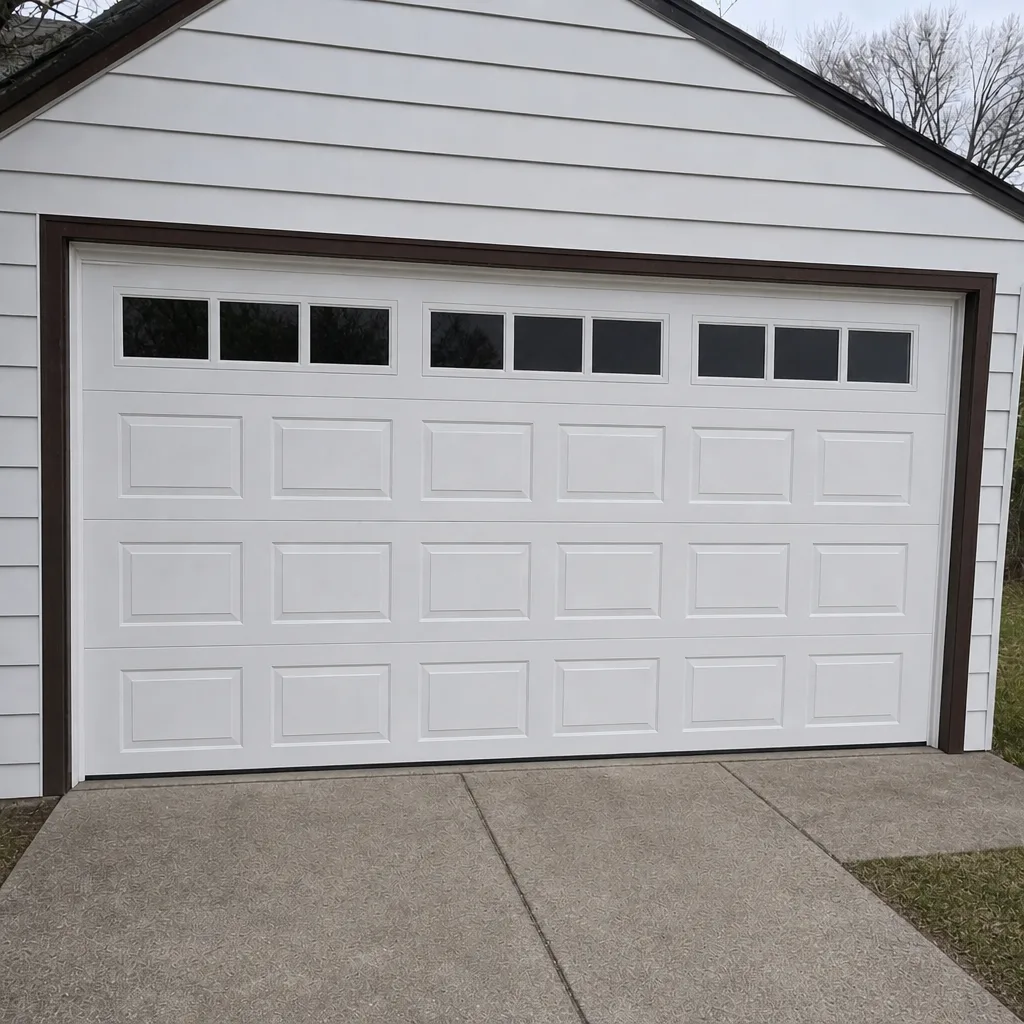 After
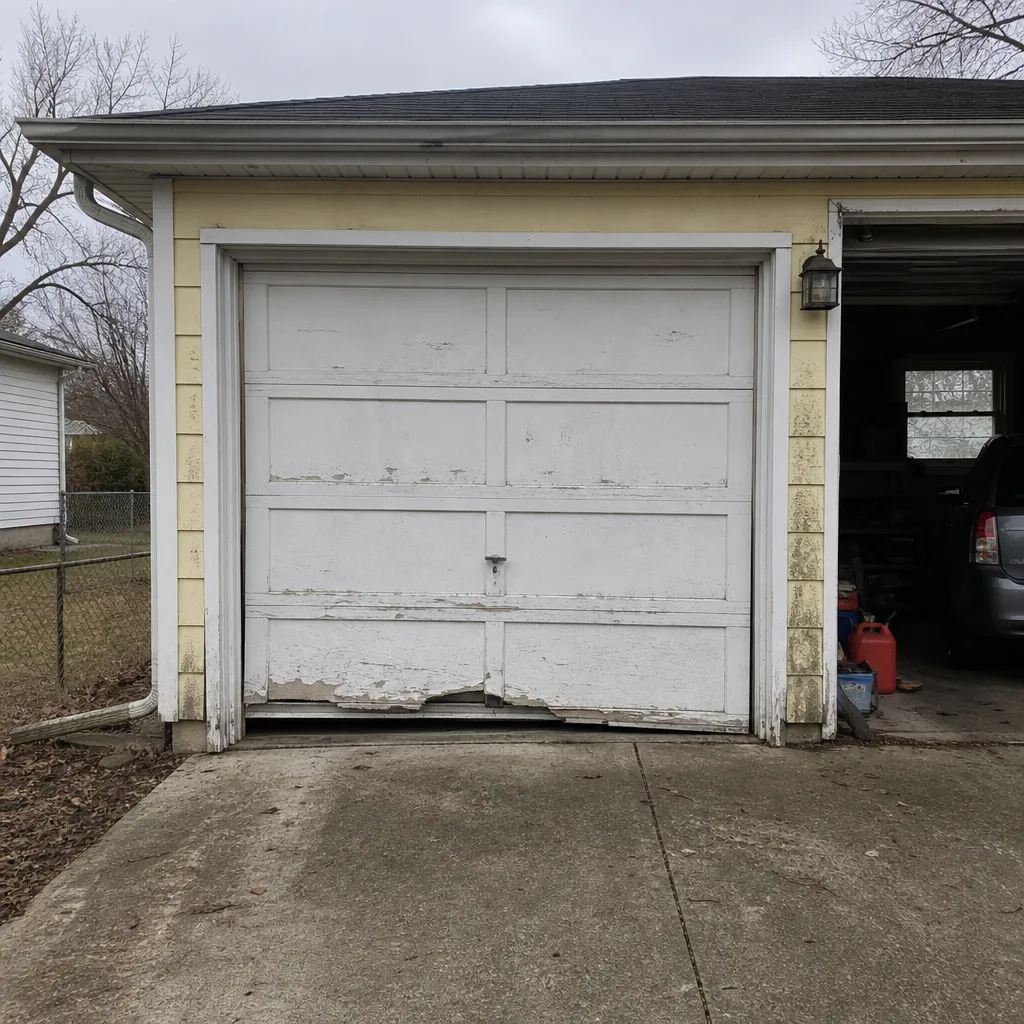 Before
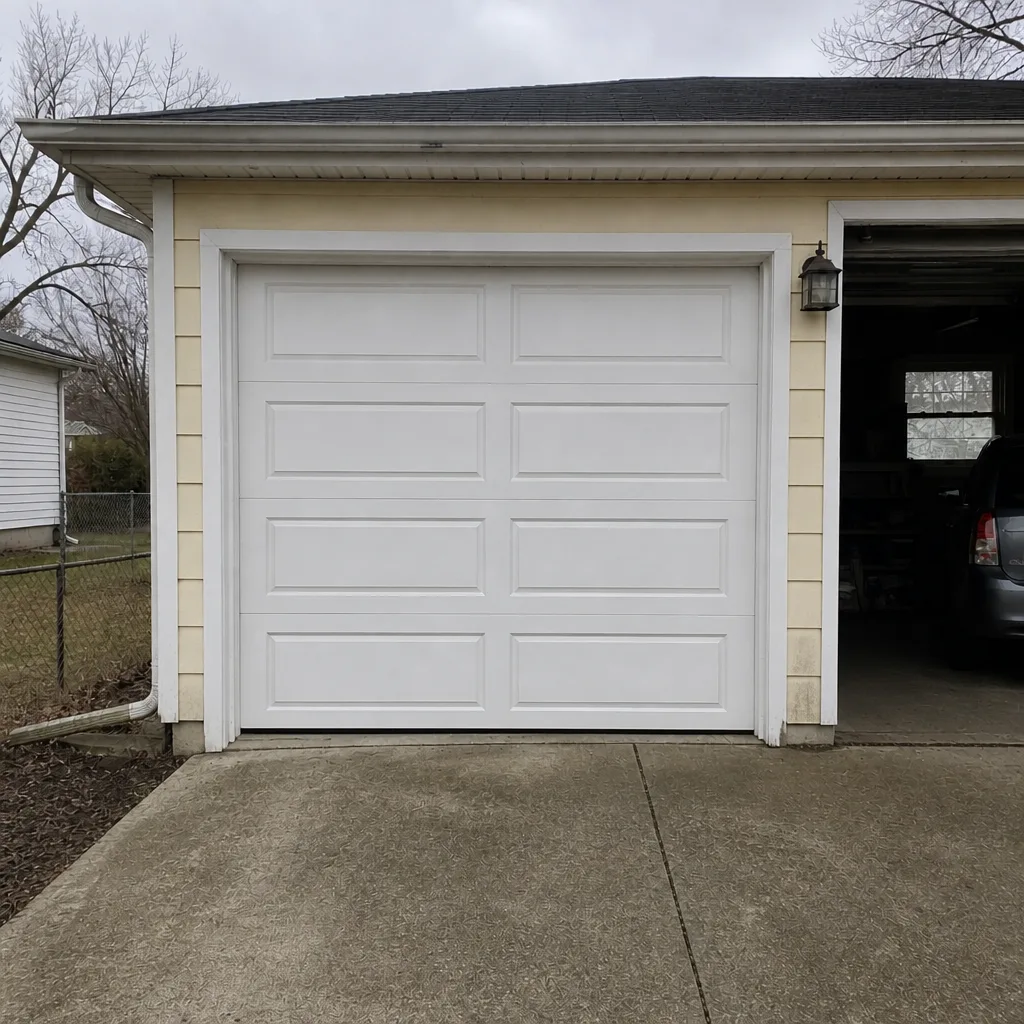 After
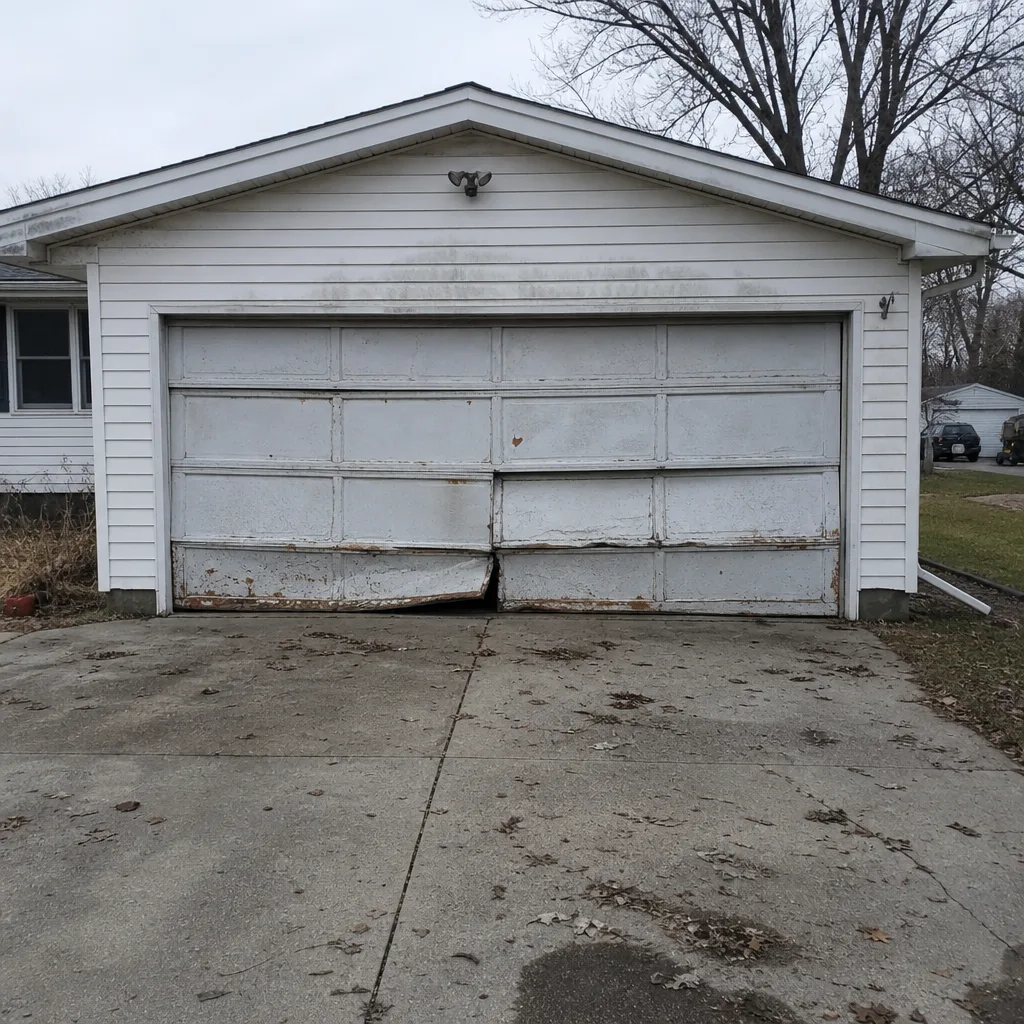 Before
 After
When to Call a Professional
Some jobs stay safely in your hands: the monthly visual check, lubrication, tightening accessible bolts, replacing a bottom seal, and keeping a log. Anything involving springs, cables, the door coming off its track, or a door that won’t lift safely should go straight to a professional. Those components carry stored energy that a wrench and a ladder can’t manage safely, and the consequences of getting it wrong are serious.
If your garage door has reached the point where the calendar and the cycle count both say “time,” or if you’re not sure where it stands, a professional inspection is the right next step. Garage Door Repair Tremont offers free estimates in Tremont – call (855) 337-1175 to book one. We work on your brand, whether that’s a Clopay or Amarr door or an opener from one of the major systems, so the diagnosis starts from a known baseline instead of a guess.
Frequently Asked Questions
Maintain it on five separate timelines rather than one: a monthly visual inspection, lubrication every three to six months, a hardware check twice a year, seasonal track and seal work in fall and spring, and a professional safety inspection on a cycle-based interval. Springs and cables wear by cycles of use, not by months, so a busy household needs attention sooner than a quiet one.
Standard torsion springs are rated for about 10,000 cycles, which works out to roughly seven years at four cycles a day or about three and a half years at eight cycles a day. That’s the clock that matters, and no amount of lubrication resets it. If your door has run that many cycles, have the springs inspected before they fail.
You can apply a dedicated garage door grease to the springs lightly yourself – it’s the springs’ tension that’s dangerous, not the surface. Do not attempt any adjustment, winding, or replacement of the springs or cables. Those are high-tension jobs for trained technicians, and a mistake can cause serious injury.
Use a dedicated garage door or white lithium grease on the springs, light oil on the roller stems and hinges, and never grease the tracks. The key timing in Tremont is a fall lubrication pass, because cold contracts metal and tightens tolerances, so a door that’s fine in summer can start straining in January without it.
Ground freeze-thaw cycles in Tremont move the slab and framing slightly, which can knock the tracks out of alignment. A door that suddenly binds after winter is usually a track issue, not an opener failure. Check the tracks for bends or gaps, clean winter grit out of the channel, and have a professional realign them if you’re unsure.
Yes – a simple log of dates, approximate cycle counts, lubrication, and repairs tells a technician how much life the door has actually used. That changes the diagnosis and the recommendation. A door with 5,000 cycles gets a different answer than one with 15,000, and the log is how you know which you’re looking at.
The Bottom Line
Garage door maintenance is five routines, not one. Keep a monthly eye on cables, rollers, and seals; lubricate the right parts with the right product every three to six months; tighten and inspect hardware twice a year; handle the fall lubrication and spring track checks that Tremont’s freeze-thaw winters demand; and get a professional look on a cycle-based interval, not just a calendar one. Count your cycles, keep a short log, and leave the springs and cables to trained hands. Do that and you’ll spend far less time with a door that won’t move when you need it to.
If you’d like your schedule set up by someone who sees these systems every day, call Garage Door Repair Tremont at (855) 337-1175 for a free estimate. Whether it’s a routine inspection, a spring that’s reached its cycle limit, or a repair you’ve been putting off, one call resolves any garage door problem. You can also start with our Garage Door Repair Tremont overview to see the full range of what we handle.
Written by the team at Garage Door Repair Tremont.